Gold Falls From Record as Precious Metal Joins Global Selloff
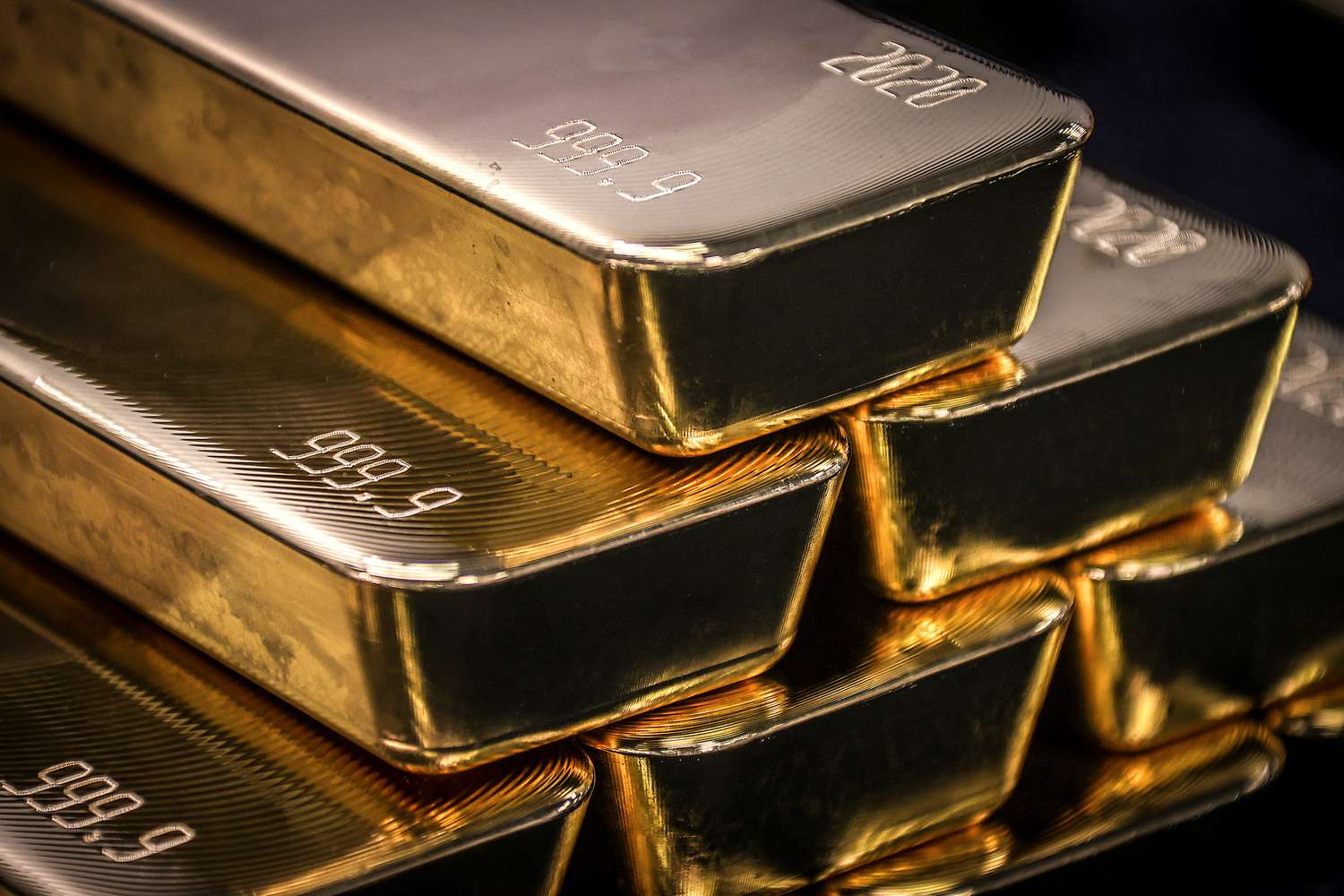
Gold fell on Thursday, after hitting a new record, after President Donald Trump triggered chaos in global markets with broad “reciprocal” tariffs. Silver fell more than 2%.
Spot bullion prices first jumped 1.1% to an all-time high of $3,167.84 an ounce as the U.S. leader unveiled his biggest move yet to shake up international trade. But prices later reversed the gains to fall as much as 0.6%.
While gold is typically seen as a safe haven in times of heightened uncertainty, it can also join a marked selloff as investors are forced to raise cash to offset losses in other markets. Equities fell across Asia and Europe — while the dollar slumped — as Trump’s tariffs were widely seen as more aggressive than expected.
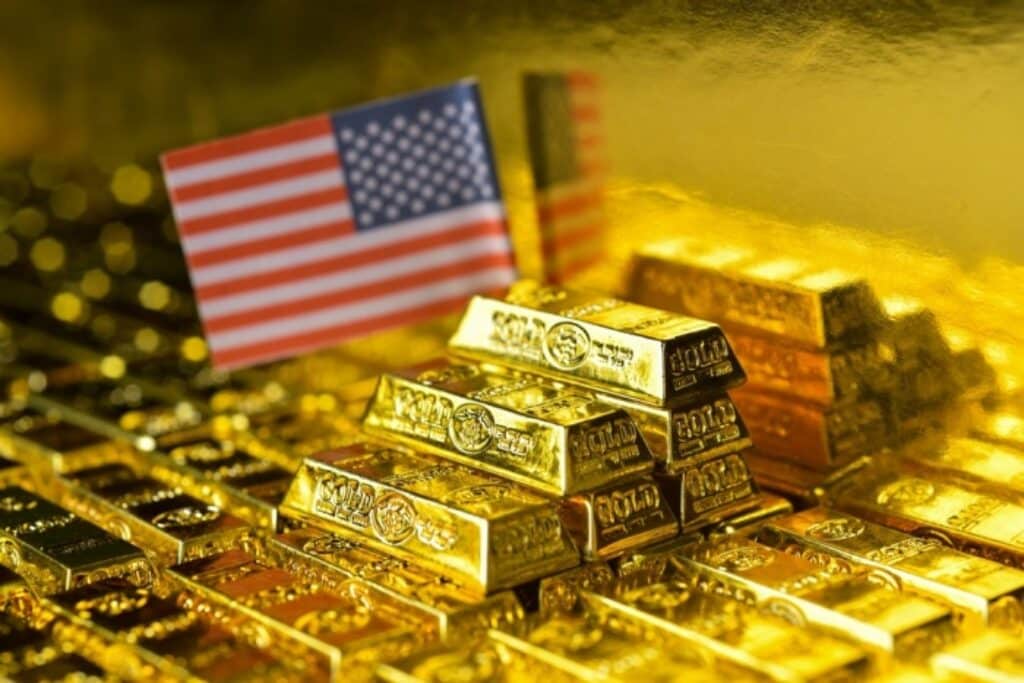
The U.S. leader outlined a package of tariffs by country, with China now facing a 54% levy on its shipments to the U.S. The European Union’s tariffs are 20%, double Trump’s global minimum of 10%.
Investors have flocked to gold as concerns mount over the health of the global economy and trade tensions escalate. The precious metal has surged 20% this year after a sharp rally in 2024 driven largely by massive central bank buying and strong demand in Asia.
“The strength of demand that has led to gold’s above-normal appreciation is likely to continue,” said Michael Hsueh, an analyst at Deutsche Bank AG. Additional support is expected from central bank buying, the accumulation of bullion-backed exchange-traded funds in developed markets and the potential for Chinese insurers to make “significant allocations” to the precious metal, he said.
Bullion is one of many metals exempt from the tariffs, according to a White House fact sheet. That reduces the risk, for now, of a wide price gap between U.S. and global markets. Silver and palladium, meanwhile, would be hurt by the expected negative impact on global growth from the tariffs, Hsueh said. Spot gold was down 0.3% at $3,125.09 an ounce at 8:50 a.m. in London. Silver slumped 2.4% while palladium and platinum also declined.
Source: Bloomberg