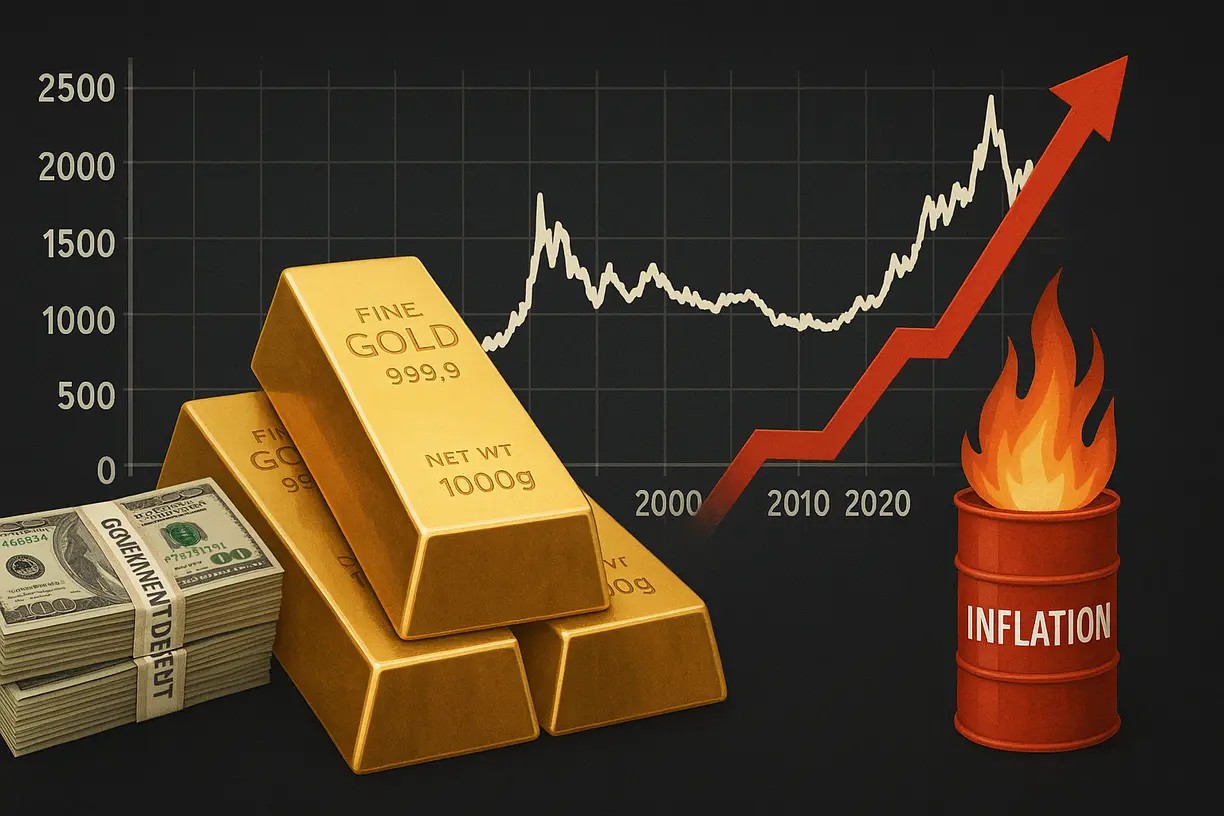
Gold Falls, Inflation Remains a Threat
Gold prices fell more than 1% in trading on Monday (July 13th) as the Middle East conflict escalated. New attacks between the US and Iran have raised market concerns that energy prices will rise further and trigger renewed inflationary pressures.
At 9:35 a.m. ET (14:35 GMT), XAU/USD weakened 1.5% to US$4,060.64 per troy ounce. Meanwhile, gold futures fell 1.2% to US$4,064.45 per troy ounce. This decline put gold under pressure for the second consecutive session.
Tensions escalated after the United States launched another attack on Iranian targets, following an attack on a Cypriot-flagged cargo ship in the Strait of Hormuz. Iran declared the vital shipping lane closed until further notice, a claim denied by US officials.
Rising oil prices were the main factor pressuring gold. Oil prices remained more than 3% higher after previously surging nearly 5%. If energy prices continue to rise, the risk of inflation could increase again and force the Fed to maintain high interest rates for longer.
According to the CME FedWatch Tool, market participants now see a 69% chance that the Fed will raise interest rates in September. The minutes of the Fed's June meeting also showed that some officials believe there is reason to raise interest rates again, especially as inflation concerns remain quite strong.
The market's next focus will be on Tuesday's US CPI data and Fed Chairman Kevin Warsh's testimony before Congress. If the CPI is hotter than expected, the US dollar could potentially strengthen, and gold could be under further pressure. However, if inflation is more benign, gold has a chance of stabilizing after its recent decline.
Technically, gold is still attracting attention in the psychological area of US$4,000. If the price can break through and hold above US$4,200–US$4,220, the opportunity for a broader recovery could open. However, as long as inflation, oil, and interest rates remain threats, gold's movement could remain difficult. (arl)
Source: Newsmaker.id