The Fed and Iran Collaborate to Pressure Gold Prices
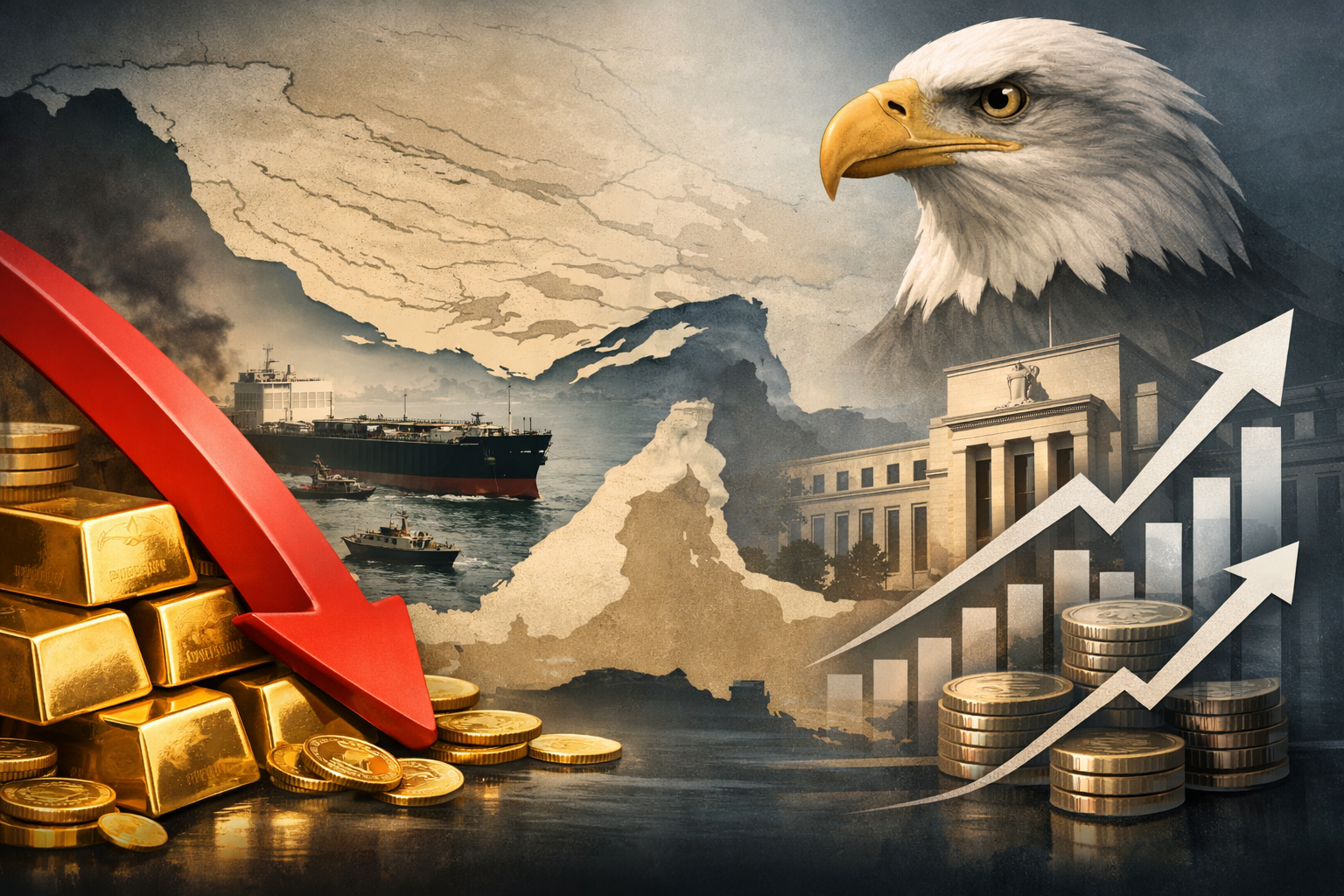
Gold prices weakened again on Monday (July 13th) after the United States and Iran exchanged renewed attacks over the weekend. The escalating conflict pushed oil prices sharply higher and fueled concerns that inflation would rise again, increasing the likelihood of the Fed maintaining high interest rates.
In European trading, spot gold (XAU/USD) fell 1.54% to US$4,057.76 per troy ounce, while gold futures weakened 1.17% to US$4,065.45 per troy ounce. Other precious metals also suffered, with silver falling 2.80% and platinum weakening 1.61%.
Pressure on gold emerged after the United States again attacked several targets in Iran in retaliation for an attack on a Cypriot-flagged cargo ship in the Strait of Hormuz. Iran subsequently declared the shipping lane closed indefinitely, although the US government denied this claim. This situation has again thrown the ceasefire and peace negotiations into uncertainty.
Meanwhile, oil prices remain more than 3% higher after previously surging nearly 5%. Rising energy prices have rekindled concerns about global inflation. If inflationary pressures continue to rise, the Fed is expected to maintain its high interest rate policy for longer, even opening up the possibility of additional rate hikes. This situation is negative for gold because the precious metal does not provide the same yield as bonds.
The market is now awaiting two important events from the United States: consumer inflation (CPI) data and Fed Chairman Kevin Warsh's testimony before Congress. Higher-than-expected inflation data has the potential to strengthen the US dollar and further depress gold prices. Conversely, if inflation begins to decline, gold has the potential to stabilize and test the resistance area in the US$4,200–US$4,220 range, signaling an early recovery. (arl)
Source: Newsmaker.id