Is the Gulf Burning, Hormuz Locked Again?
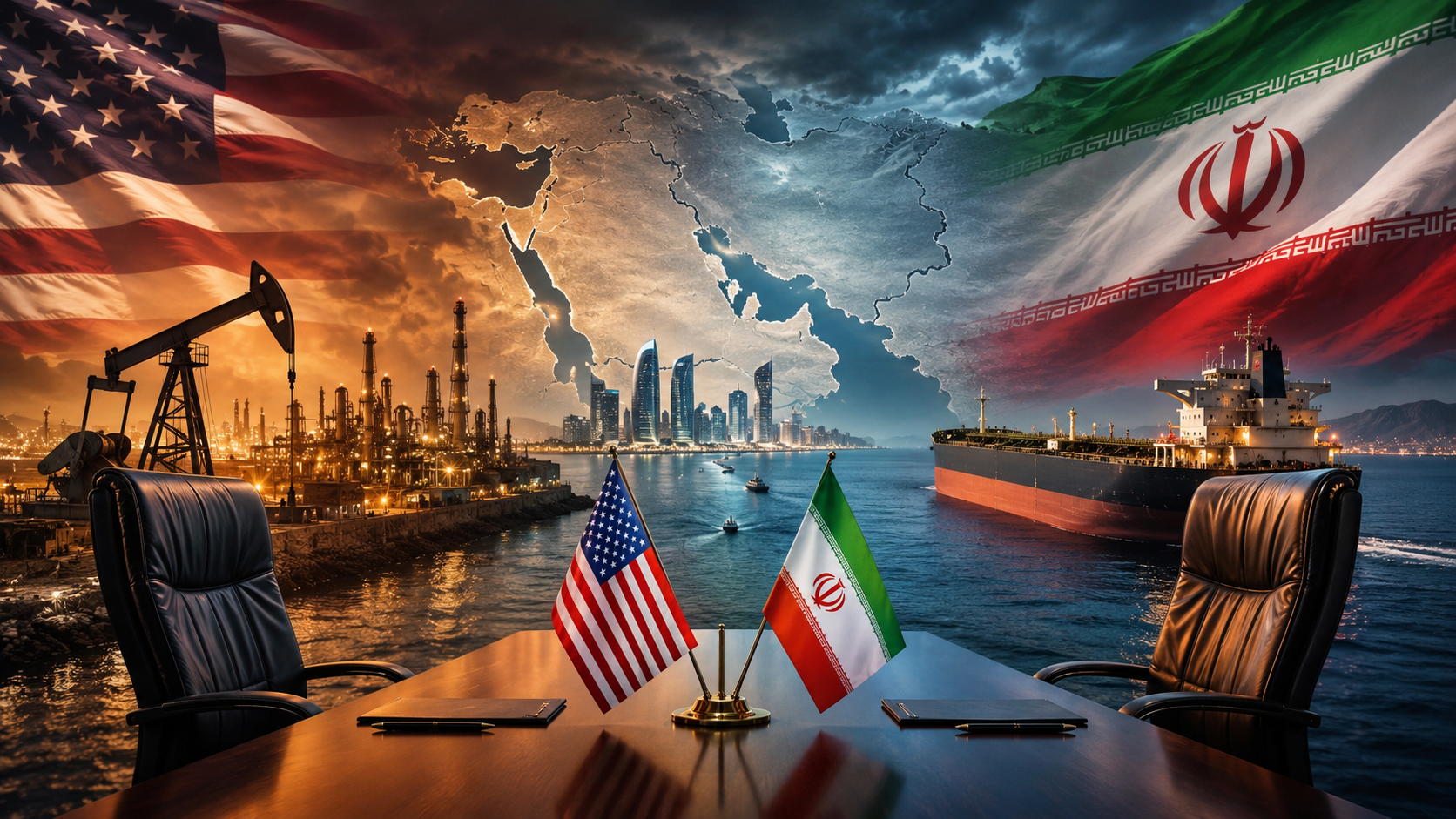
The United States and Iran exchanged heavy attacks again on Sunday, marking the most serious escalation in months. Tensions escalated after Iran announced the closure of the Strait of Hormuz and reportedly disabled a Cypriot-flagged civilian container ship transiting the waterway.
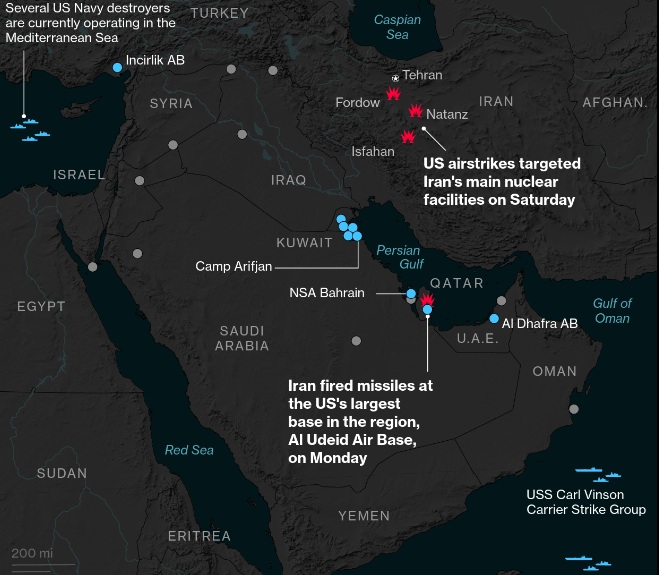
US Central Command (CENTCOM) stated that the American military struck Iranian targets again on Sunday afternoon local time. The attacks were said to be aimed at weakening Iran's ability to attack commercial vessels transiting the Strait of Hormuz, a vital route for global oil and gas supplies. The US also claimed to have shot down an Iranian cruise missile and attack drone.
Iran had previously declared the Strait of Hormuz closed until further notice. Iran's Revolutionary Guards accused the US of interfering in the management of the waterway. However, US President Donald Trump and Washington officials rejected Tehran's claims, stating that Hormuz remains an international waterway open to commercial vessels.
The latest attack occurred after the M/V GFS Galaxy suffered severe damage in its engine room while transiting near Oman. CENTCOM said one civilian crew member was missing at sea after the incident. In response, the US launched attacks on approximately 140 Iranian military sites to disrupt Tehran's ability to disrupt commercial shipping.
Iran then retaliated with several waves of missile and drone attacks on US military bases in the Gulf region, including Jordan, Qatar, Kuwait, Bahrain, and Oman. In Kuwait, the attacks reportedly damaged a northern border hub and hit an oil drilling platform associated with Kuwait Oil Co., injuring a worker and damaging the facility's structure.
As a result, oil prices are likely to remain high due to market concerns about energy supply disruptions from the Strait of Hormuz. Gold could receive a safe-haven boost, but its gains could be restrained if the oil surge fuels inflation and makes the Fed more hawkish. The US dollar also has the potential to strengthen as a safe-haven asset, especially if investors are risk-averse. If the conflict continues to spread to energy infrastructure, global inflationary pressures could rise even more and make the market more wary of the direction of interest rates. (asd)*
Source: Newsmaker.id