Trump Wants 20% Levy on Hormuz
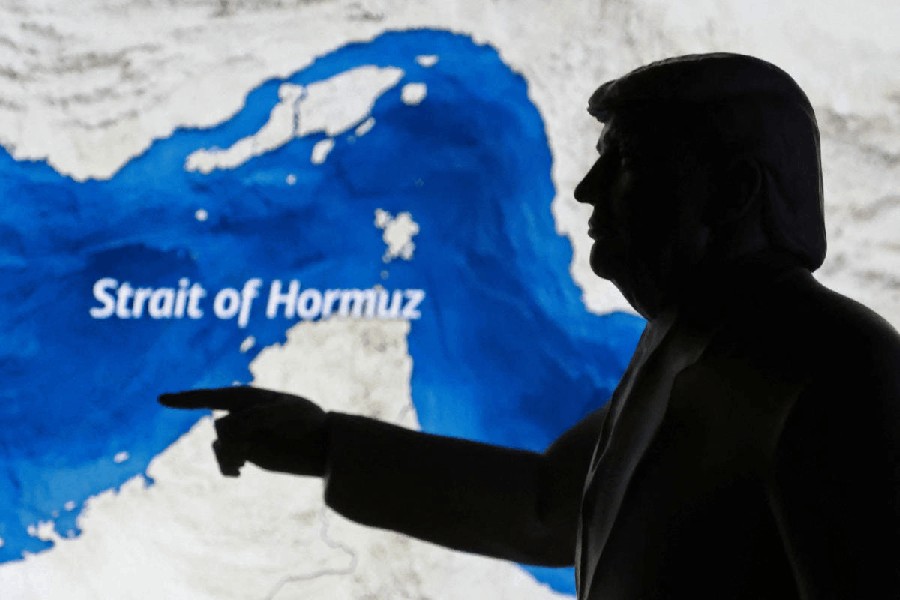
US President Donald Trump has further escalated tensions in the Strait of Hormuz after announcing that the US would reinstate a blockade on Iranian vessels passing through the waterway. Trump also demanded a 20% reimbursement of all other cargo shipped through the Strait of Hormuz.
In a social media post, Trump stated that the United States would be known as "The Guardian of the Strait of Hormuz." He said the US should be paid for the security and safety costs in the highly volatile region. According to Trump, the process of developing this plan would begin soon, although the White House has not provided technical details on how it would be implemented.
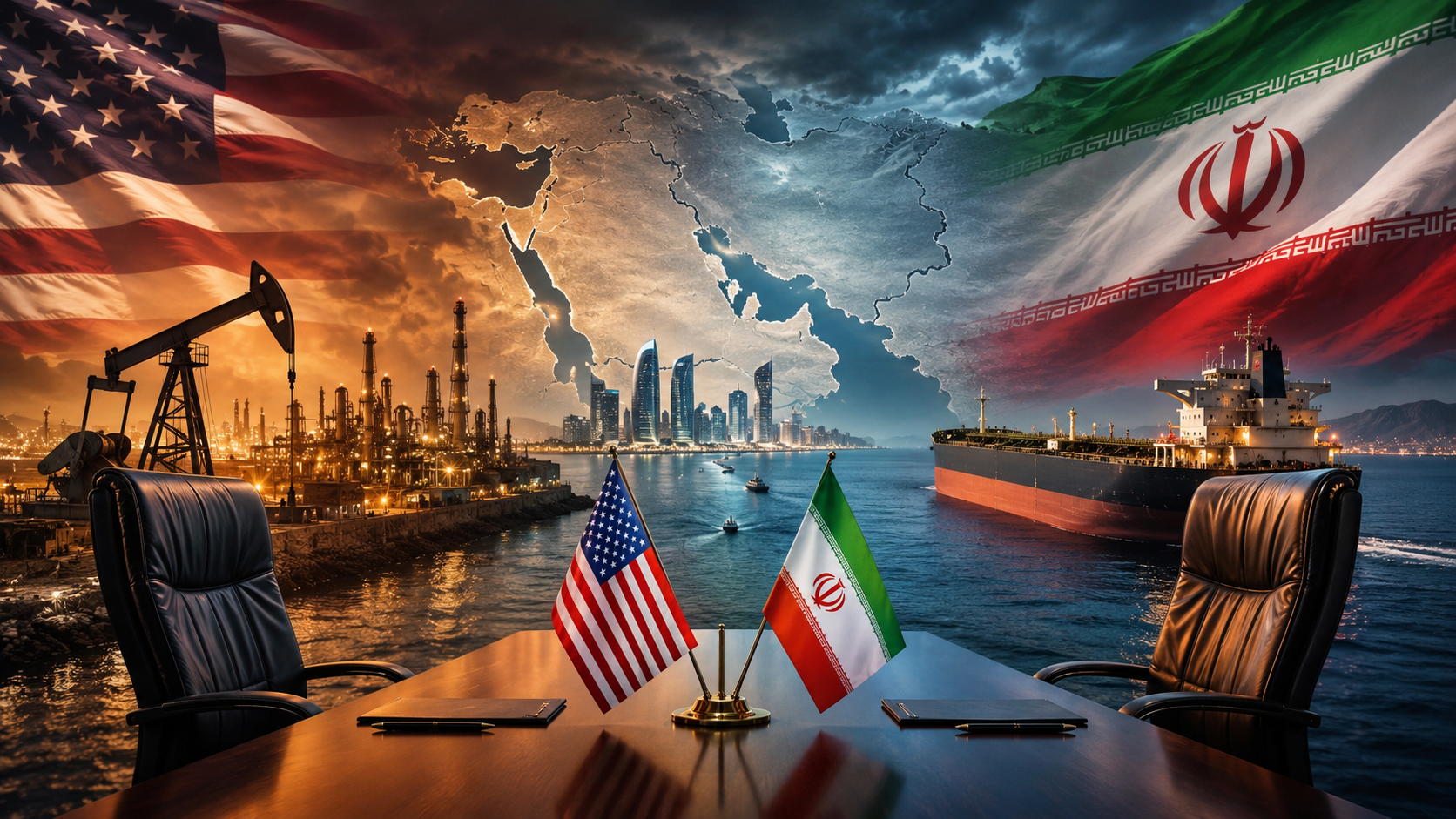
This statement exacerbated tensions between Washington and Tehran over the status of the Strait of Hormuz. Previously, Iran claimed the waterway was closed, while the US insisted that Hormuz remained open to commercial traffic. Now, Trump's statement about the 20% levy has further increased uncertainty in the world's key energy route.
Oil prices immediately extended their gains following Trump's comments. Brent resurfaced at US$80 per barrel, while the two main global oil benchmarks rose around 5% to session highs. Markets fear this US move could trigger a harsh response from Iran and Gulf states dependent on energy exports through Hormuz.
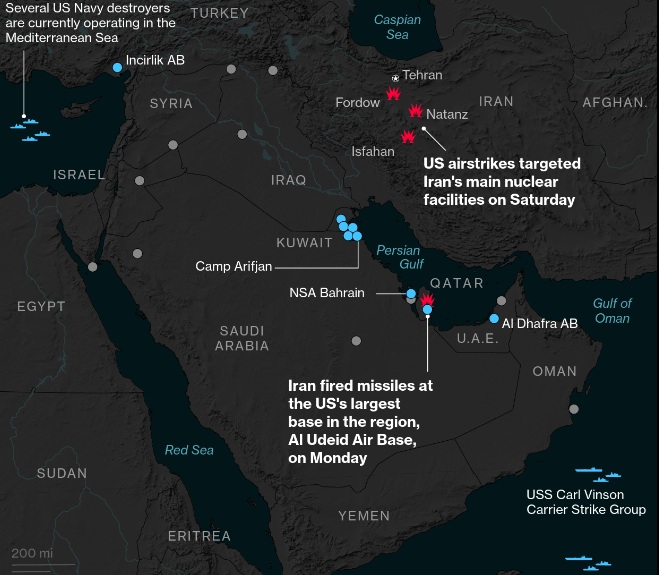
The Strait of Hormuz is a vital route for global oil trade, with about a fifth of global oil flows passing through it before the US-Iran conflict escalated. During the war, Iran restricted access to the waterway to improve its bargaining position. Under the interim peace agreement, commercial shipping was supposed to be free of charge during the 60-day negotiation period.
However, Trump's proposal for a 20% levy could spark significant resistance. Many countries and industries believe the Strait of Hormuz should remain free of charge. Under international law, ships generally have the right of passage through waters used for international navigation. Coastal states are also not permitted to arbitrarily charge fees for passage, except for certain special services.
Consequently, oil prices could remain high as long as the uncertainty surrounding Hormuz remains unabated. If Trump's plan is implemented, the risk of conflict with Iran and tensions with Gulf allies could escalate. This situation could amplify inflation concerns, put pressure on risk assets, and make the US dollar and gold more volatile. (arl)
Source: Newsmaker.id