Oil Prices Soar, Hormuz a Supply Threat
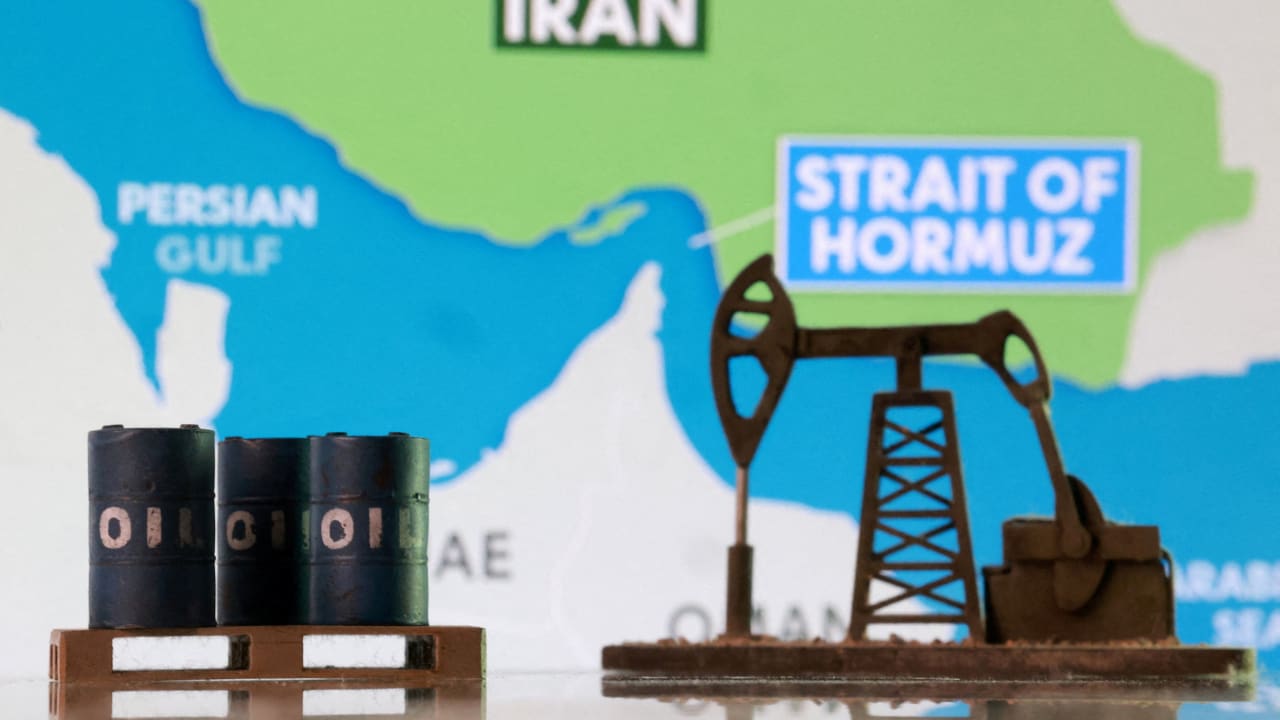
Oil prices held a sharp rally in European trading on Monday (July 13), despite paring an initial surge of nearly 5%. This increase was triggered by the re-escalation of the conflict between the United States and Iran, which raised market concerns about disruptions to oil supplies through the Strait of Hormuz.
At 3:43 a.m. ET (07:43 a.m. GMT), Brent rose 3.5% to US$78.68 per barrel. Meanwhile, WTI also rose 3.5% to US$73.89 per barrel, after both had surged nearly 5% earlier in the session.
The oil price rally occurred after Iran expanded missile and drone attacks on several Gulf countries, including Qatar and the United Arab Emirates, in retaliation for a US military strike. Tensions escalated after Tehran declared the Strait of Hormuz closed after a commercial ship was reportedly hit.
The United States denied Iran's claim. President Donald Trump stated that commercial shipping lanes in the Strait of Hormuz remain open under US protection. However, ship operators remain cautious. Ship tracking data shows only six vessels transited the Strait of Hormuz on Sunday, the lowest level in five weeks.
The Strait of Hormuz is a key oil export route for Saudi Arabia, Iraq, Kuwait, the United Arab Emirates, and other Gulf producers. If the disruption persists for a longer period, refineries, particularly in Asia, could be forced to seek alternative supplies. This could potentially drive up shipping and insurance costs.
Market participants are also awaiting a potential response from major oil-producing countries, including the potential release of strategic oil reserves if the supply disruption worsens. Previously, the International Energy Agency (IEA) warned that a new US-Iran conflict could disrupt the recovery of global oil supplies if shipping disruptions in the Strait of Hormuz persist.
Consequently, oil prices have the potential to remain high as long as the uncertainty surrounding Hormuz persists. Rising oil prices could fuel inflation concerns, strengthen expectations of high interest rates, and pressure risk assets. On the other hand, the energy sector could receive support, while gold and the US dollar could remain volatile following geopolitical developments. (arl)
Source: Newsmaker.id