Oil Steady, Hormuz Passage Begins, But Security Risks Loom
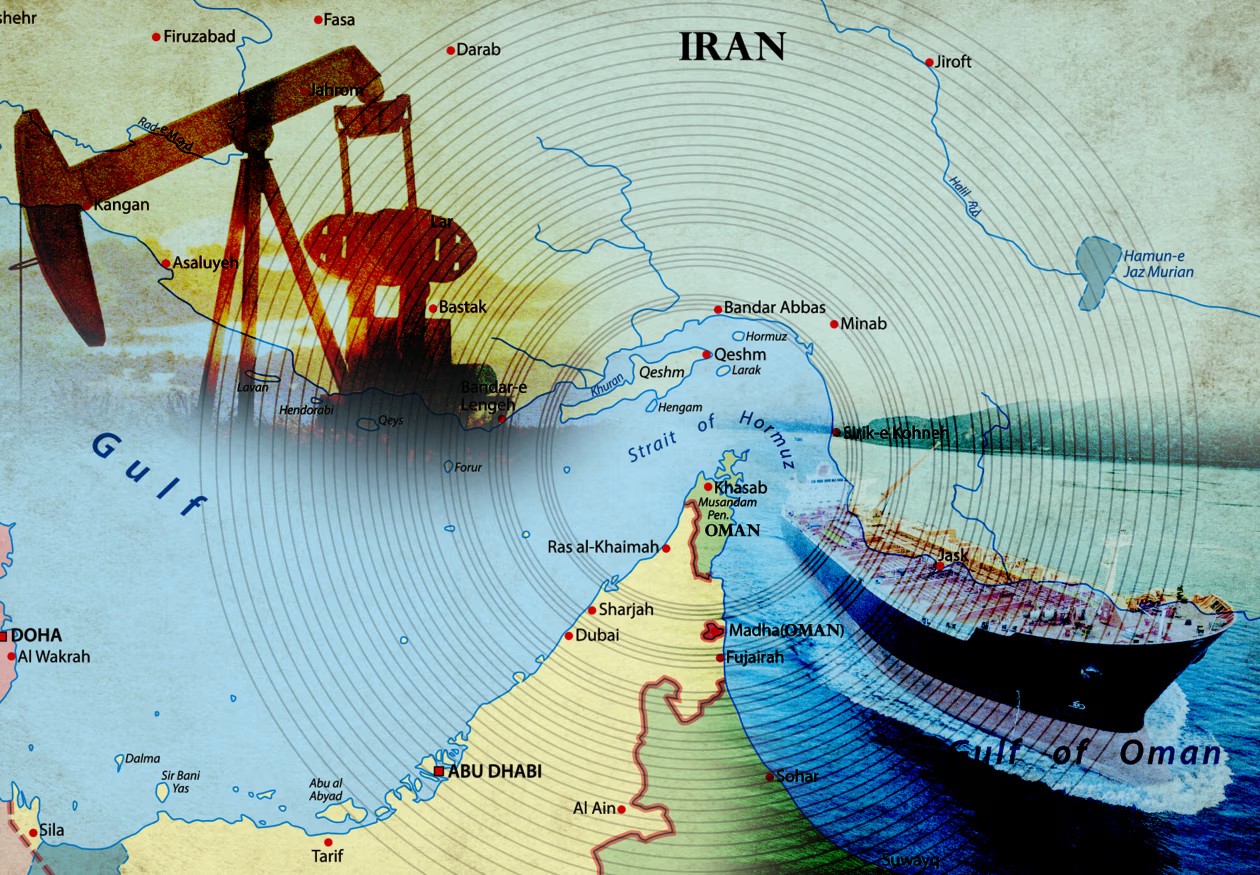
Oil prices closed largely unchanged on Thursday (May 14), after Iranian state media reported that around 30 vessels had passed through the Strait of Hormuz. However, the attack on one vessel and the seizure of another maintained concerns over the smooth flow of energy supplies during the Iran-Iran war.
Brent futures edged up 9 cents (0.09%) to US$105.72 per barrel, briefly touching US$107.13 but largely trading in negative territory throughout the session. WTI rose 15 cents (0.15%) to US$101.17 per barrel. The previous day, oil prices fell sharply as the market weighed the risk of a US interest rate hike to curb inflation.
From a geopolitical perspective, the Strait of Hormuz remains far from normal. Iran's Revolutionary Guard Corps reported that 30 vessels had passed through since Wednesday night, compared to a daily average of around 140 before the war. Iran is also said to be tightening controls by arranging shipping deals with Iraq and Pakistan, while the Fars news agency reported that Tehran has begun allowing some Chinese vessels to transit; a Chinese supertanker carrying 2 million barrels of Iraqi crude reportedly passed through on Wednesday after being stuck for more than two months.
However, security risks are growing. An Indian cargo ship carrying livestock from Africa to the UAE reportedly sank on Thursday off the coast of Oman, while the UKMTO said “unauthorized personnel” boarded a ship anchored near the UAE's Fujairah Port and directed it towards Iran. Such incidents maintain shipping risk premiums and heighten market sensitivity to supply disruptions, despite signs of increasing ship flows.
On the diplomatic front, the White House stated that Trump and Chinese President Xi Jinping agreed that Hormuz should remain open to energy flows. Xi is also said to be interested in buying more US oil to reduce dependence on Hormuz, although China has not imported US crude since May 2025 due to 20% import tariffs during the trade war.
Supply fundamentals remain tight. The IMF warned that the global economy is moving into an "adverse" scenario, with global real GDP growth falling to 2.5% this year from 3.4% in 2025, while the IEA stated that global oil supply this year is expected to fall short of demand due to rapid inventory depletion. In the US, crude oil stocks fell by 4.3 million barrels to 452.9 million barrels in the week ending May 8, although distillate stocks rose contrary to expectations.
The market will be monitoring whether ship flows in Hormuz actually increase and are sustained, developments in security incidents around the UAE and Oman, and follow-up to US-China energy talks. US inventory data and the direction of interest rate policy also remain key drivers of volatility, given that energy supply risks are still easily translated into inflationary pressures. (Arl)*
Source: Newsmaker.id