Today's XI-Trump Agenda!
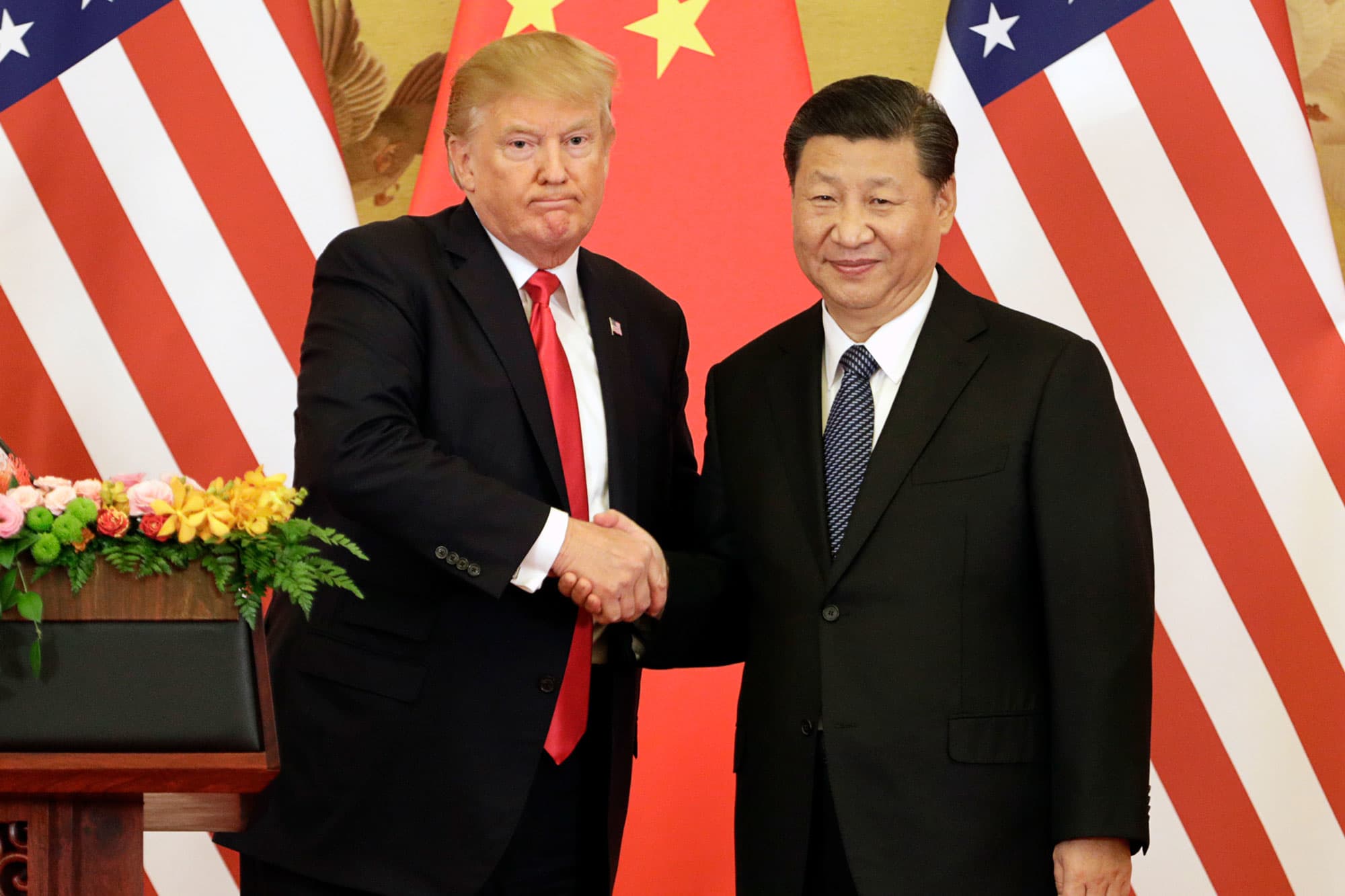
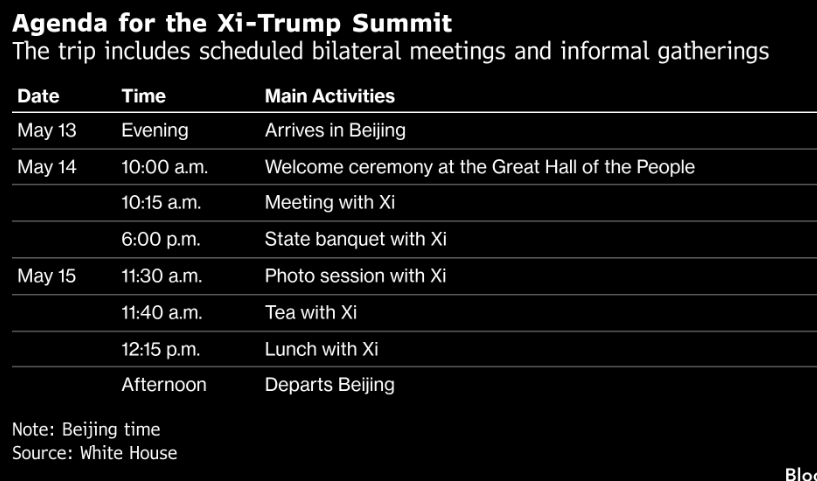
US President Donald Trump met with Chinese President Xi Jinping in Beijing on Thursday (May 14), marking the first visit by a sitting US president to China in nearly a decade. The meeting opened with a welcoming ceremony at the Great Hall of the People, highlighting state protocol and symbolizing the stabilization of relations between the two countries.
The agenda is expected to include trade, tariffs, Taiwan, and technology issues, with Trump emphasizing that trade is a top priority. Trump also brought a delegation of major US company executives—including Elon Musk (Tesla) and Jensen Huang (Nvidia)—to push for broader market access and certainty for the technology sector, particularly regarding AI.
Reuters reported that Washington and Beijing are considering a “managed trade” framework that could reciprocally cut tariffs on about US$30 billion in goods deemed non-sensitive to national security interests. This mechanism is seen as an attempt to maintain a fragile trade truce without having to address deeper structural reforms, which have been a major source of friction.
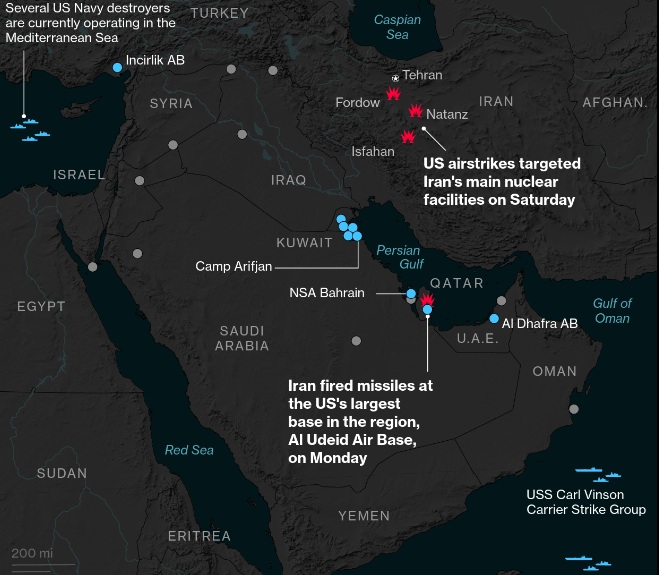
Despite the trade focus, the US-Iran war remains a key geopolitical risk factor. The US is said to want China to play a more active role in helping to de-escalate the conflict, given that Beijing is a major buyer of Iranian oil and the Asian region is heavily dependent on energy from the Gulf. Ahead of the meeting, US Secretary of State Marco Rubio called China a "major political challenge" and the most important relationship to manage, with the two countries' interests often at odds.
Beyond Iran, tensions also persist over China's dominance in the rare earth supply chain, US export controls that limit Chinese companies' access to advanced chips, and Taiwan's sensitivities. Although relations are said to have stabilized since the October meeting, these issues leave little room for compromise, and concrete results are likely to be seen only after the series of meetings conclude.
For the market, any sign of tariff easing or a clearer trade framework has the potential to improve risk sentiment and support trade-sensitive sectors and technology supply chains. However, if the Iran issue remains deadlocked, risks and energy tensions persist, inflationary pressures will remain high and keep global interest rate expectations tight. Market participants will discuss the joint statement, details of the tariff framework, and any concrete signals regarding China's role in Iran's diplomacy. (asd)*
Source: Newsmaker.id