Oil and Gas Rise, Iranian Vessel Seizure Raises Hormuz Risk Premium Again
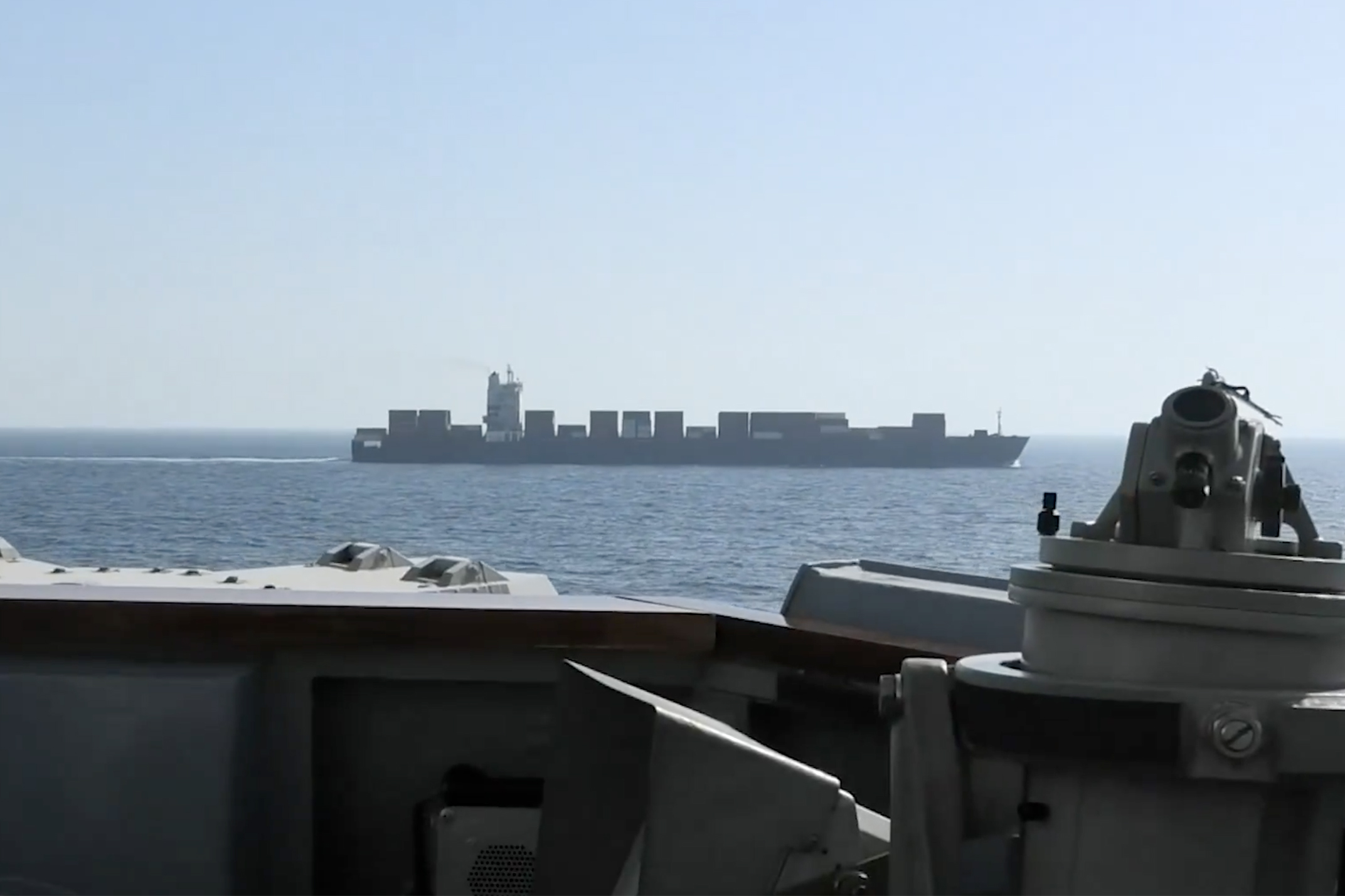
xOil and gas prices rallied after the US Navy seized an Iranian vessel, reigniting tensions that have disrupted shipping controls in the Strait of Hormuz. Brent traded around $95 per barrel, recovering roughly half of Friday's decline, while European gas rose about 3%.
Iran closed the chokepoint again on Saturday, citing a US blockade of Iran-linked shipping as a violation of a ceasefire agreement that expired Tuesday. At the same time, these tensions have made Iran hesitant to send diplomats for the second round of peace talks in Pakistan, although it is said to be reviewing the US proposal.
The market sees the supply constraints as potentially lasting longer, as the bottlenecks are not just headline-based but also physical. Analysts point to the ongoing constraints on oil flows due to disruptions, longer shipping times, and rising freight and insurance costs, keeping prices sensitive to developments in the shipping lane.
The systemic risk is significant, as Hormuz previously served as a corridor for about a fifth of global oil and LNG flows before the US-Israeli war against Iran broke out in late February. Commercial traffic was reported to have nearly ground to a halt on Monday, highlighting how the disruption in the strait was quickly interpreted by the market as an energy and commodity supply crisis.
The macroeconomic consequences point to an uneasy combination: an energy supply shock could both boost inflationary pressures and weigh on growth, opening up concerns of stagflation. As the ceasefire deadline approaches, the market tends to maintain a risk premium, but has not yet fully "locked in" the worst-case scenario, so prices have the potential to fluctuate sharply following news events. (gn)*
Source: Newsmaker.id