US Seizes Iranian Vessel, Here's What Happens to Oil!
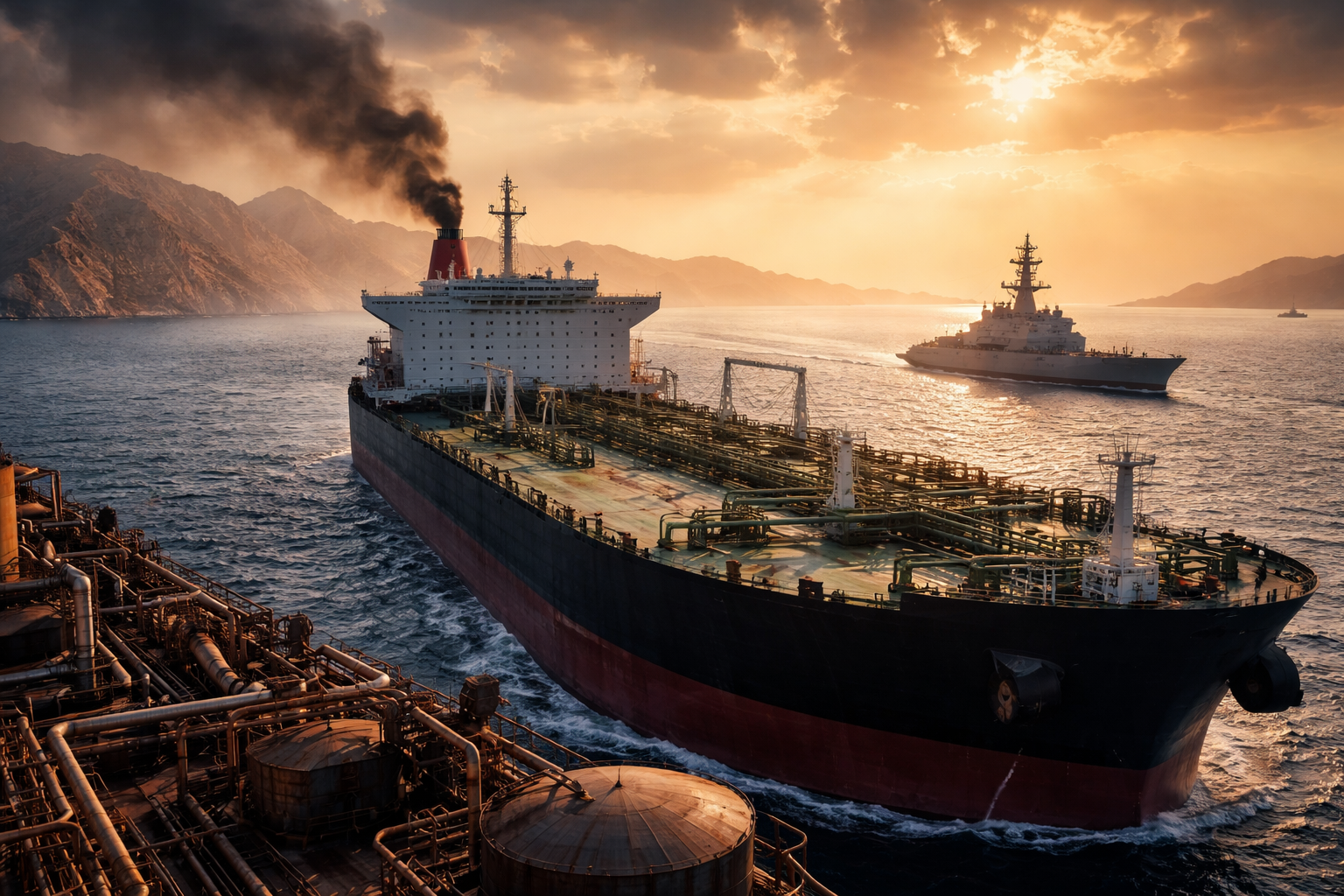
Oil prices and energy stocks rallied after the United States seized an Iranian vessel in the Gulf of Oman, easing tensions around the Strait of Hormuz amid a blockade that has been in place for about a week. President Donald Trump said the U.S. Navy fired on and seized the vessel after it ignored warnings to stop as it left Hormuz.
The incident occurred hours after a back-and-forth about the possibility of peace talks in Islamabad. Trump said there was a chance for a deal, while Iran said there was no "clear prospect" of reaching one. A U.S. delegation, including Vice President J.D. Vance and special envoy Steve Witkoff, was scheduled to depart for Islamabad on Monday evening for Tuesday's talks, but Iranian state media quoted negotiators as dismissing plans to participate.
Markets perceive geopolitical risks as still high ahead of the deadline, but market participants have yet to take aggressive positions as price movements are heavily dependent on the latest headlines. Karobaar Capital LP Chief Investment Officer Haris Khurshid said that if the current situation continues, prices will gradually rise to the $105–$115 per barrel range, but with volatility.
Disruptions in the Strait of Hormuz are in focus because the waterway handled about a fifth of global oil and LNG flows before the US-Israel war against Iran began in late February. Tracking data compiled by Bloomberg showed no ships were observed passing through on Sunday, while at least 13 tankers turned back to the Persian Gulf on Saturday, abandoning their exit attempts.
In the market, Brent for June settlement rose 6.3% to $96.04 per barrel as of 8:20 a.m. in Singapore, while the May WTI contract jumped 7.4% to $90.03 per barrel ahead of its expiry on Tuesday. The more active June WTI contract rose 6.7% to $88.10 per barrel, amid concerns about a supply shock that could add to inflationary pressures and depress global economic growth. (asd)
Source: Newsmaker.id