Iran Casts Doubt on Talks, Hormuz Tensions Heating Up and Pressuring Global Sentiment!
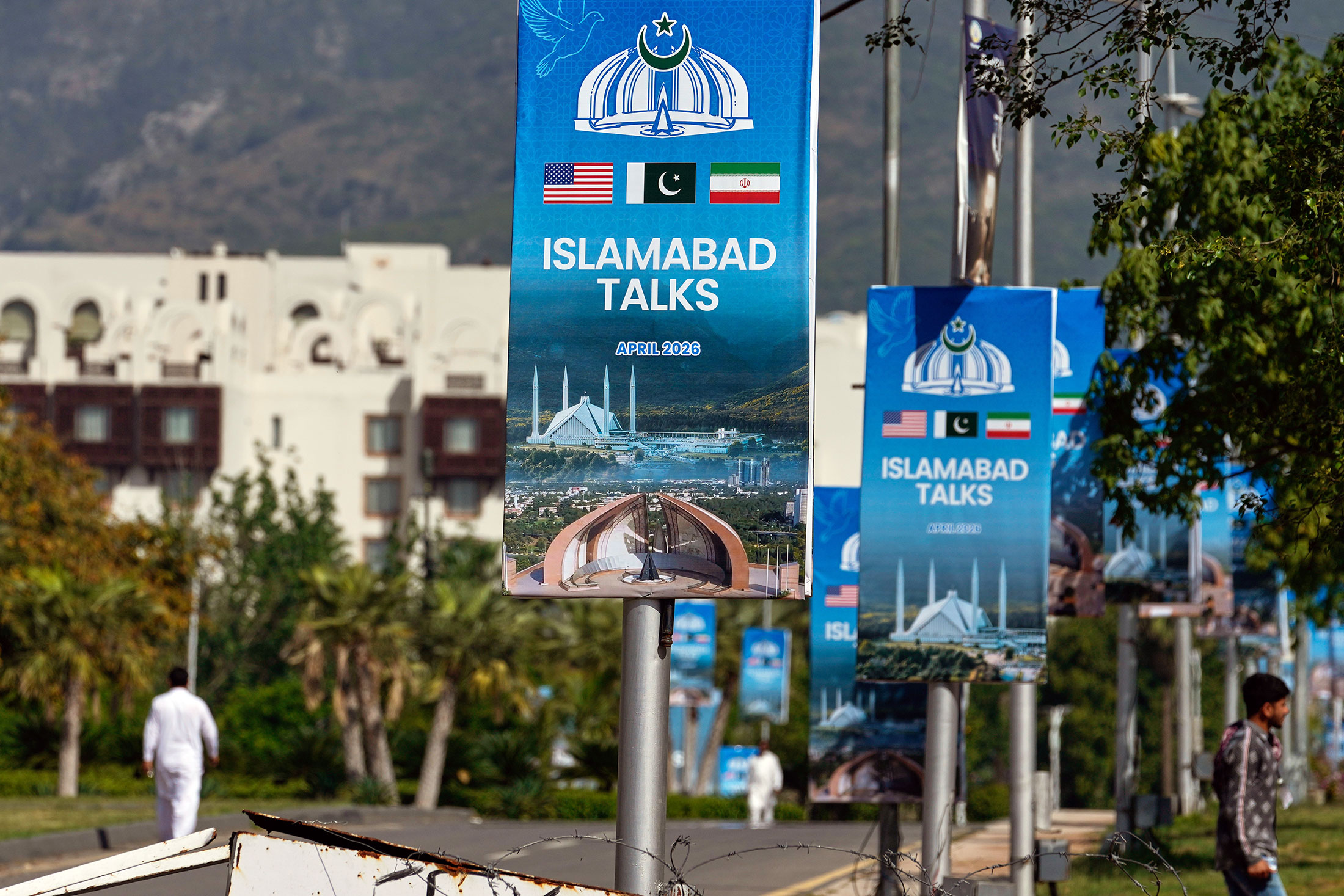
Iran has expressed reluctance to send diplomats to Pakistan for the second round of peace talks after the US maintained its blockade of the Strait of Hormuz and seized an Iranian ship. Foreign Ministry spokesman Esmail Baghaei said Tehran has no plans to attend, although a final decision has not been made, while also assessing indications of a "lack of seriousness" from the US side in pursuing diplomacy.
The statement came after a weekend of escalation, raising doubts about whether the two sides will meet before the ceasefire expires Tuesday evening US time. Differences remain over sensitive issues such as Iran's nuclear program and control of Hormuz, a key artery for global energy supplies.
From Washington, President Donald Trump announced that special envoy Steve Witkoff would travel to Pakistan for talks on Tuesday, but at the same time renewed his stern threats if a deal is not reached. Iran rejected the notion that it had agreed to key US demands, including a halt to its nuclear program and the handover of its stockpile of enriched uranium, and asserted that the transfer of such material was "never discussed" in this round.
In the markets, the Hormuz episode has once again become a focal point for transmission to risk assets: the effective closure of the strait to many ships has exacerbated the energy and commodity supply crisis that has been brewing since the war broke out in late February. Oil prices rallied while US stocks and government bonds weakened as investors turned defensive; Brent is said to have returned to near $95 per barrel, as the risk premium for supply disruptions increases.
Geopolitical tensions have also triggered a broader diplomatic response, including a call from Chinese President Xi Jinping for normal flow through Hormuz and an immediate comprehensive ceasefire. With approximately one-fifth of global oil and LNG flows passing through Hormuz before the war, the market is now monitoring three key issues: the operational status of the strait and the blockade, the certainty of the schedule for the talks in Islamabad, and energy price dynamics that could potentially shift inflation expectations and central bank policy. (gn)
Source: Newsmaker.id