Warsh Joins Fed, Major Reform Faces Political and Data Limits
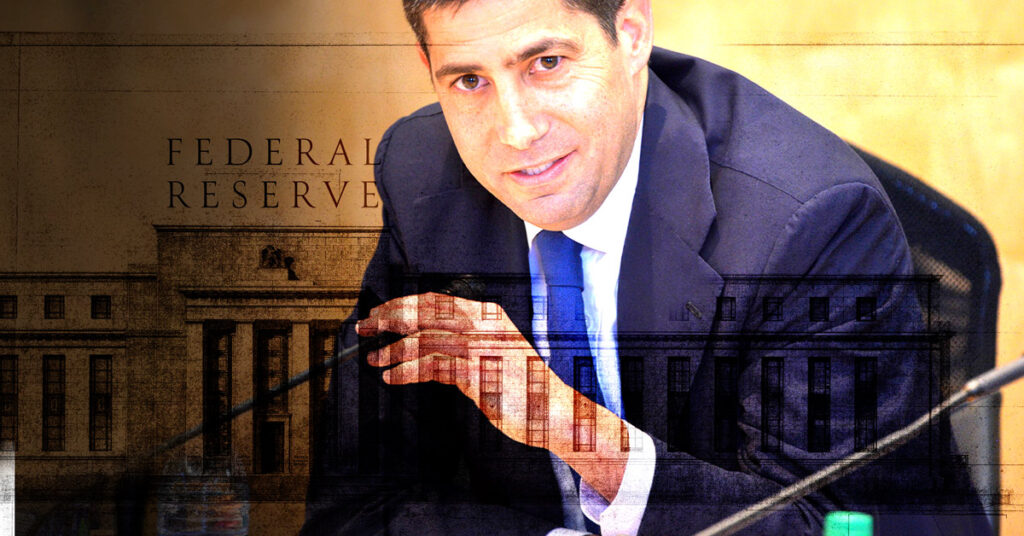
Kevin Warsh is expected to return to lead the Federal Reserve this month, 15 years after leaving the central bank for opposing its massive bond-buying program that now leaves a portfolio of approximately US$6.7 trillion. However, his broad reform agenda is considered difficult to translate into rapid change, particularly as it touches on technical aspects, communications, and the Fed's relationship with the market.
Warsh has criticized a range of issues, from the Fed's approach to monitoring inflation, its tendency to "rescue" markets, to its communication strategy. The most likely changes to be implemented more quickly are adjustments to its communication style, including reducing the frequency of press conferences and shifting the Fed back to a more restrained approach compared to the post-crisis era of 2007–2009, which was heavy on "forward guidance."
Warsh's appointment comes as the Fed's independence is again being tested by political pressure. President Donald Trump—who has repeatedly clashed with Fed Chairman Jerome Powell—is pushing for interest rate cuts, escalating his pressure through efforts to fire Fed Governor Lisa Cook (a case still before the Supreme Court) and supporting a Justice Department investigation into building renovations that many see as an attack on the central bank's independence. The DOJ investigation has closed, and Powell plans to remain chairman after his term ends this Friday, partly to mitigate the risk of further legal action.
Warsh's immediate challenge will be navigating calls for interest rate cuts amidst data that hasn't been encouraging. Unemployment remains relatively low at 4.3%, while inflation remains well above the 2% target and trending upward. When chairing his first policy meeting in June, keeping the committee from shifting to language that would open the door to a rate hike could be an early victory in itself, after three policymakers had pushed for more hawkish language at the April 28-29 meeting.
Warsh himself presented several arguments for why interest rates could still fall despite the current tight data: productivity gains from AI could reduce costs, shrinking holdings of long-dated bonds could provide a basis for lower policy rates, and alternative inflation measures are seen as showing slower price movements than currently emphasized. However, building convincing research and gaining the support of fellow policymakers is expected to take time, if at all. The most realistic initial step is to initiate an internal review, spark debate within the FOMC, and potentially change technical rules such as bank reserves as one path to a smaller balance sheet. Warsh also hinted at changing communication tools like the Summary of Economic Projections and the "dot plot," areas that have long generated dissatisfaction, even though these tools and press conferences have been important tools for shaping public expectations.
Several opposing views have also gained ground. There is skepticism about the idea that a smaller balance sheet automatically opens up room for interest rate cuts, and the debate over AI emphasizes timing and risk: will productivity lower inflation more quickly, or will profit expectations encourage spending earlier and add to price pressures—a scenario highlighted by Austan Goolsbee. The market will now be watching the Senate vote, Warsh's signals regarding communication and the balance sheet, and how the June meeting frames inflation risks versus political pressure on the interest rate path. (arl)
Source: Newsmaker.id