Collins: Fed Could Raise Interest Rates If Inflation Doesn't Subside
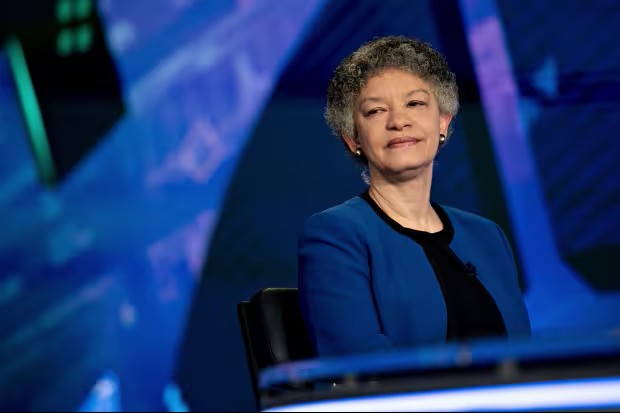
Boston Federal Reserve President Susan Collins said the US central bank may need to raise interest rates if inflationary pressures show no signs of abating. In a speech to the Boston Economic Club on Wednesday (May 13), Collins considered the policy tightening scenario "not the most likely" in her projections, but still within the spectrum of possibilities to ensure inflation returns to 2% sustainably.
Collins emphasized that the outlook for monetary policy depends heavily on how long the conflict in the Middle East lasts. The longer the conflict continues, she said, the greater the risks—especially through the inflation channel—as energy supply and cost shocks could persist.
She called the current policy stance "slightly restrictive" and considered well-positioned to respond to changes in the outlook and the balance of risks. Given the long-standing high inflation, Collins said the window for "looking through" the supply shock has narrowed as maintaining inflation expectations has become a more pressing priority.
While the US economy is considered better able to withstand energy shocks than in the past, Collins warned that even a swift resolution to the conflict could still leave global supply chain disruptions. He added that, while the US is relatively better protected, the longer duration of the conflict increases the likelihood of larger negative spillovers.
In his baseline view, Collins still sees “resilient” demand, “solid” growth, and a “moderate” rise in unemployment in a low-hire, low-burning labor market. However, he does not expect high inflation to abate this year, with potential improvement only beginning in 2027, while noting that the likelihood of a higher and more persistent inflation scenario—or worse labor market outcomes—has increased.
Collins is not currently a voting member of the FOMC. The Fed maintained its benchmark interest rate range at 3.50%–3.75% at its meeting late last month, and several officials have moved away from expectations of a rate cut this year after war-related inflationary pressures pushed inflation well above its 2% target. Stronger-than-expected April job growth data also gives policymakers room to focus more attention on inflation.
The market will now be monitoring three key factors: the duration of the conflict and its impact on energy and logistics costs, the direction of core inflation and inflation expectations, and whether labor market conditions remain strong enough to maintain restrictive policies for longer—or even open up room for additional tightening. (arl)
Source: Newsmaker.id