US–Iran Ceasefire Critical, Strait of Hormuz Risks Remain High
The US–Iran ceasefire reached its most fragile moment on Monday after President Donald Trump said the deal was in “critical condition” and rejected Tehran’s latest peace offer. Trump called Iran’s response “garbage” and said he “didn’t even finish reading it,” deepening the diplomatic deadlock amid a 10-week war that has already triggered a global energy crisis.
According to sources familiar with the discussions, Iran responded to last week’s US peace proposal by demanding the lifting of Washington’s naval blockade and sanctions relief, while maintaining control over traffic through the Strait of Hormuz. Trump did not specify whether the US would proceed with the military strikes he had previously threatened, but said he was considering reviving a plan to escort commercial ships through the strait.
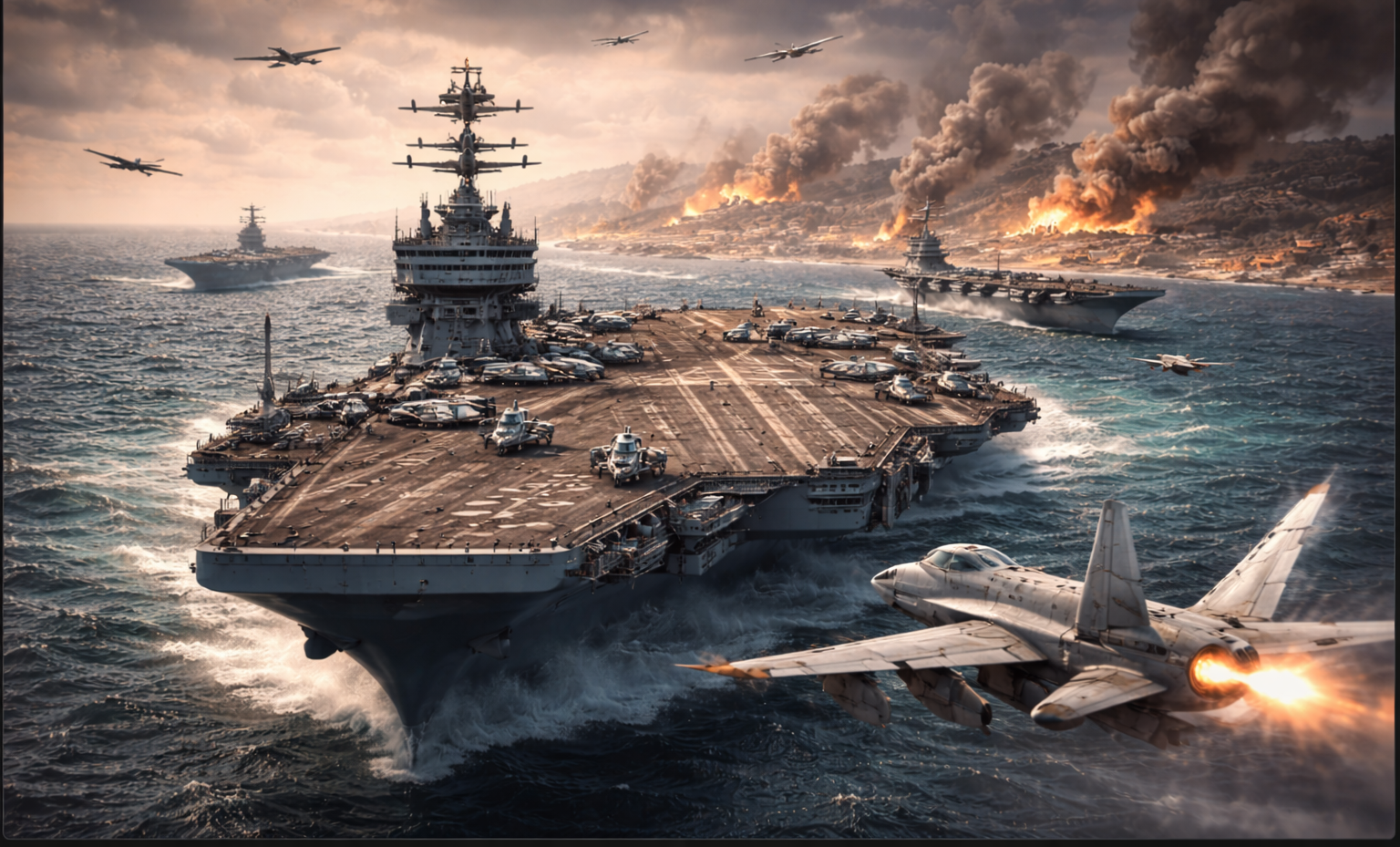
The impasse keeps the Strait of Hormuz at the center of energy market risk. The waterway remains largely blocked, making it difficult for Iran and Gulf states to export energy through a route that carried about a fifth of the world’s oil and LNG before the war. Supply uncertainty extends risk premiums and keeps inflation sensitive to geopolitical developments in the region. Operational risks and security costs are also rising. The US Navy is said to incur additional costs of millions of dollars each time it sends a destroyer through the waterway due to the need for extra surveillance and fighter jet and helicopter support. Iran has also reportedly deployed Ghadir-class mini-submarines in the Persian Gulf, adding to shipowners' concerns; an LNG tanker from Qatar reportedly turned back on Monday, although some other vessels were still able to pass.
Warnings of long-term impacts are also growing. IEA Executive Director Fatih Birol said Hormuz's reputation as a reliable energy route risks permanent damage from a prolonged closure, while Saudi Aramco CEO Amin Nasser said the global oil market loses 100 million barrels per week when Hormuz is closed and recovery could take months even if the waterway reopens. Market focus is now on the continuation of the Hormuz blockade and traffic controls, the US decision regarding escorts, and diplomatic signals from the stalled negotiations. (gn)
Source: Newsmaker.id