Hormuz Sentiment Disturbs Asian
Asian markets moved mixed on Monday (May 11), with South Korea leading the gains after the Kospi opened up 3.67% to a new record. However, regional sentiment remained cautious as oil price reports and rising geopolitical risks related to Iran dampened global risk appetite.
Market caution increased after US President Donald Trump rejected Iran's latest proposal to end the war, calling the response "totally unacceptable." Tensions were also heightened by Israeli Prime Minister Benjamin Netanyahu's statement that the conflict was "not over," leading markets to believe escalation was still possible.
The risk of disruption to the Strait of Hormuz is a major channel of market pressure due to its potential to disrupt energy supplies and drive inflation. WTI for June rose 3.39% to US$98.65/barrel and Brent for July rose 3.37% to US$104.66/barrel (at 8:06 PM ET), highlighting rising energy costs that could pressure risk assets.
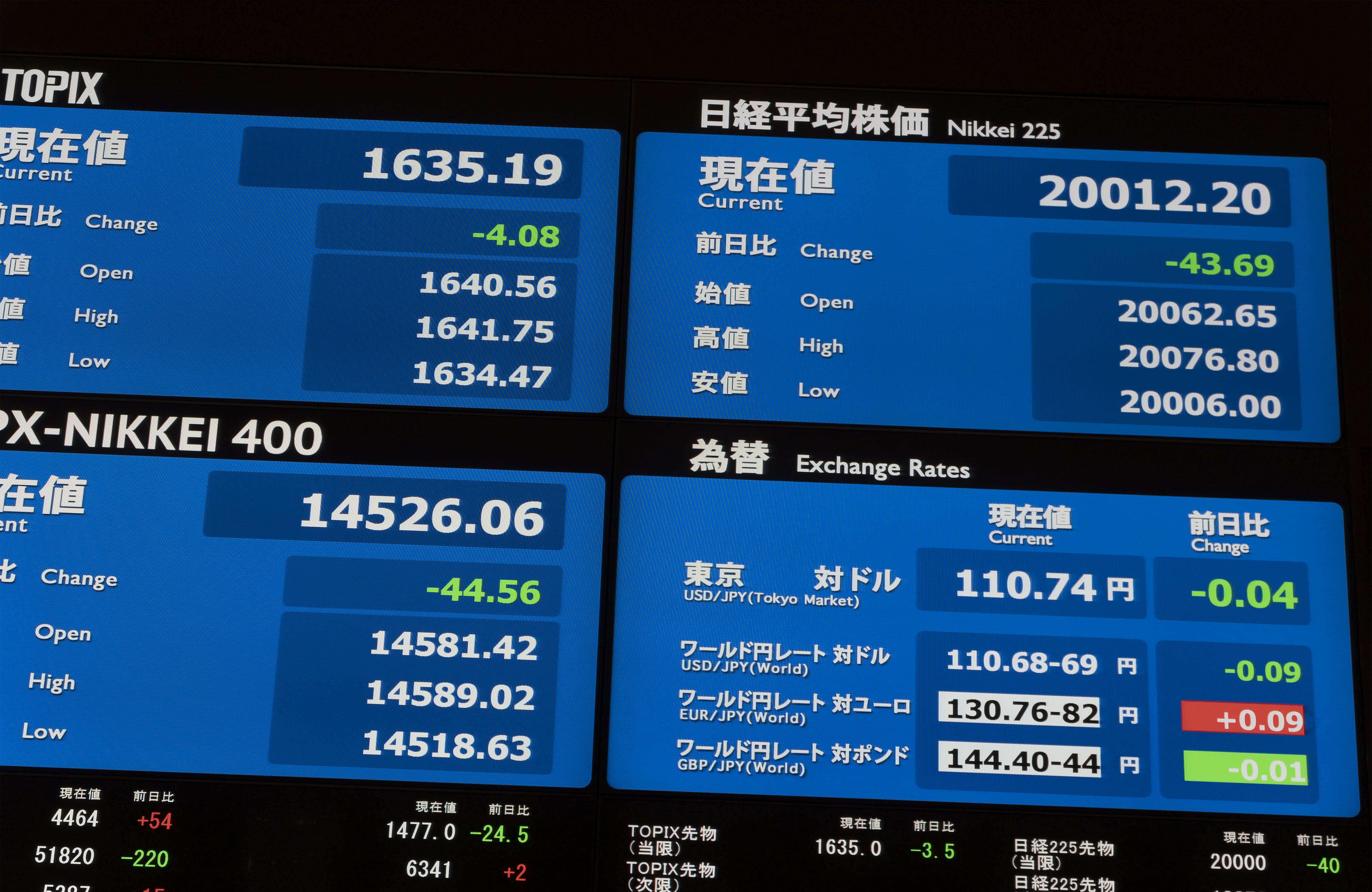
On the stock market, the Nikkei 225 rose 0.81% and the Topix gained 0.32%, while Australia's S&P/ASX 200 fell 0.71%. In Hong Kong, Hang Seng futures were at 26,250, lower than their last close of 26,393.71, signaling a likely weaker opening.
Meanwhile, Wall Street's gains last week provided a cushion, though not enough to erase geopolitical concerns. The S&P 500 rose more than 2% and the Nasdaq rose more than 4% last week, both recording six consecutive weeks of gains; however, at the start of the week, the Dow, S&P 500, and Nasdaq 100 all fell about 0.3%, indicating the market is starting to adopt a defensive stance.
5 key points:
- Asian markets were mixed; Kospi surged 3.67% to set a new record.
- Sentiment was dampened after Trump rejected the Iran proposal; the risk of escalation remains high.
- The surge in oil (WTI +3.39%, Brent +3.37%) raised inflation risks through the energy channel.
- Regional movements were mixed: Japan strengthened, Australia strengthened, and indications of a downward trend in Hong Kong's opening.
- Wall Street remained supportive after last week's rally, but US futures weakened, indicating weakening risk appetite.
Source: Newsmaker.id