Trump Threatens Major Retaliation
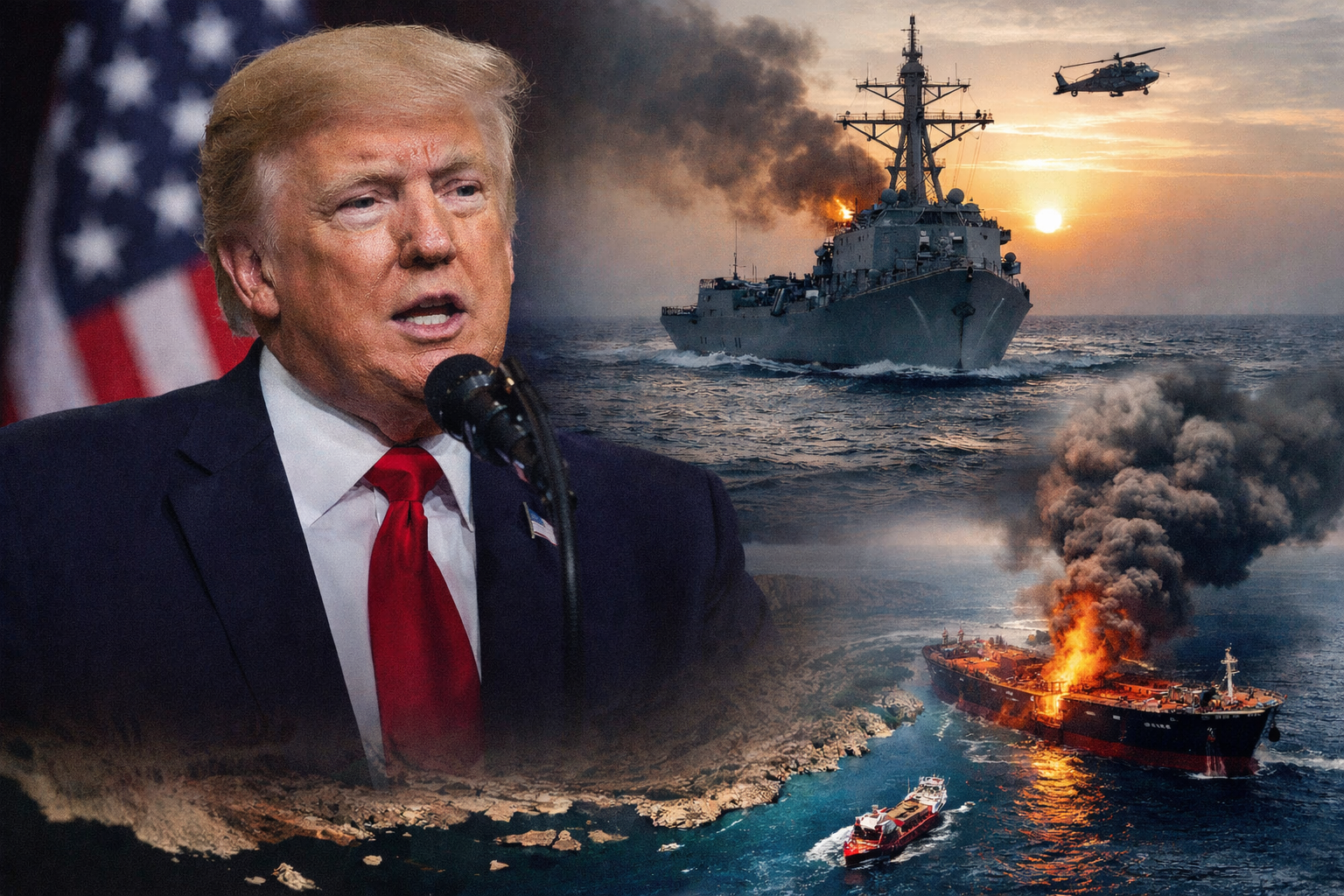
U.S. President Donald Trump has threatened to launch military strikes against Yemen’s Houthi group if it attacks Saudi Arabian vessels again. The warning came as the conflict between the United States and Iran showed signs of spreading to other critical shipping routes across the Gulf and Red Sea.
The Iran-backed Houthis claimed responsibility for attacks on two Saudi oil tankers on Thursday. The vessels were identified as the Encelia and the Layla, which the group said had been targeted with missiles and drones.
The Houthis had previously warned that they would impose a naval blockade on Saudi Arabia. The group controls territory near the Bab el-Mandeb Strait, a strategic waterway connecting the Red Sea to the Gulf of Aden and one of the world’s most important energy-trading routes.
The Encelia was reportedly struck and caught fire following the attack. However, the reported attack on the Layla had not been independently confirmed. The incidents have intensified concerns about the safety of oil tankers operating in the Red Sea.
Writing on social media, Trump said the Houthis had previously acted relatively responsibly after the United States carried out strikes against the group last year. However, he warned that any further attacks on Saudi vessels would result in significant military punishment.
Trump also said Washington would hold Iran responsible because it considers the Houthis to be a proxy of Tehran. He warned that military action could be directed not only at the Houthis but also at Iran if the attacks continued.
The escalating threats have already affected tanker movements across the region. Several vessels in the Red Sea reportedly changed course to avoid potential attacks. Ships carrying Saudi oil to China and India were also forced to turn around.
The developments suggest that oil-supply disruptions could expand from the Strait of Hormuz to the Bab el-Mandeb Strait. If both strategic waterways are affected, shipments of Middle Eastern oil to global markets could face substantially greater disruption.
Some analysts believe that widening supply disruptions could give Iran additional leverage in its conflict with Washington. The effective closure of the Strait of Hormuz had already driven oil prices sharply higher and fueled concerns about a new wave of global inflation.
A prolonged disruption could force tankers to reroute around southern Africa. Longer voyages would increase fuel consumption, shipping times, freight rates, vessel-charter costs, and insurance premiums.
Concerns about oil flows through Bab el-Mandeb pushed Brent crude futures back above $98 per barrel on Thursday. Oil had previously fallen toward its pre-conflict level of around $70 per barrel after the United States and Iran signed a ceasefire framework in June.
However, renewed military action between the two countries has triggered another surge in crude prices. Markets are once again pricing in risks to oil production, exports, and major shipping routes across the Gulf.
U.S. Secretary of State Marco Rubio said he hoped the Houthis would choose to de-escalate. He argued that the group had been drawn deeper into the conflict by Iran.
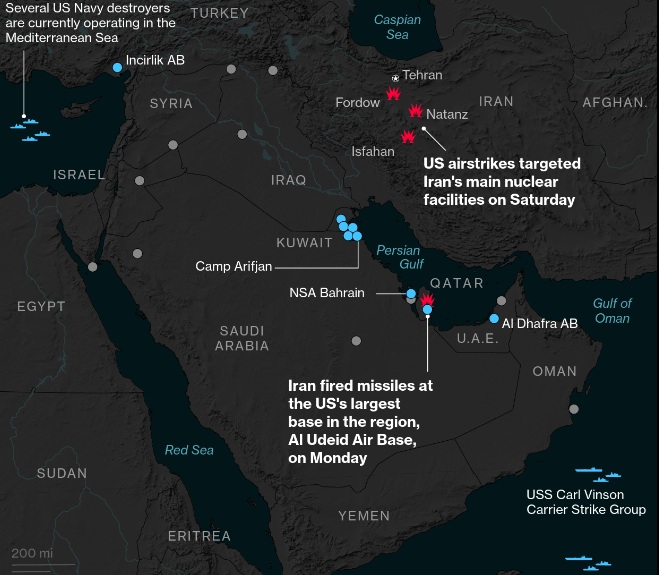
Rubio’s comments came after the United States and Iran exchanged another round of overnight strikes. The U.S. military said its latest attacks were intended to weaken Iran’s ability to target commercial shipping vessels, while also striking weapons-storage facilities and air-defense systems.
Iran has continued to respond to U.S. attacks. The Islamic Revolutionary Guard Corps claimed that it had targeted American military positions in Kuwait.
Tehran also said it had taken control of the Strait of Hormuz and described the waterway as fully closed. Iran warned that oil tankers would not be permitted to pass without prior coordination with Iranian authorities.
These developments have increased uncertainty across global energy markets. If disruptions expand from Hormuz to Bab el-Mandeb, oil prices could remain elevated as markets account for reduced supply, higher transportation costs, and greater security risks for tankers.
Higher oil prices could subsequently raise energy and transportation costs, strengthen inflationary pressures, and influence interest-rate decisions by central banks worldwide. As a result, developments in the U.S.–Iran conflict and Houthi activity are likely to remain key drivers for commodity markets.
Source : Newsmaker.id