European Stocks Plunge, Energy Surge Sparks Interest Rate Concerns
European stock markets closed sharply lower on Thursday (July 23rd) after surging energy prices renewed concerns about inflation and the prospect of high interest rates in the Eurozone. Investors also pored over several major company earnings reports, which failed to lift market sentiment.
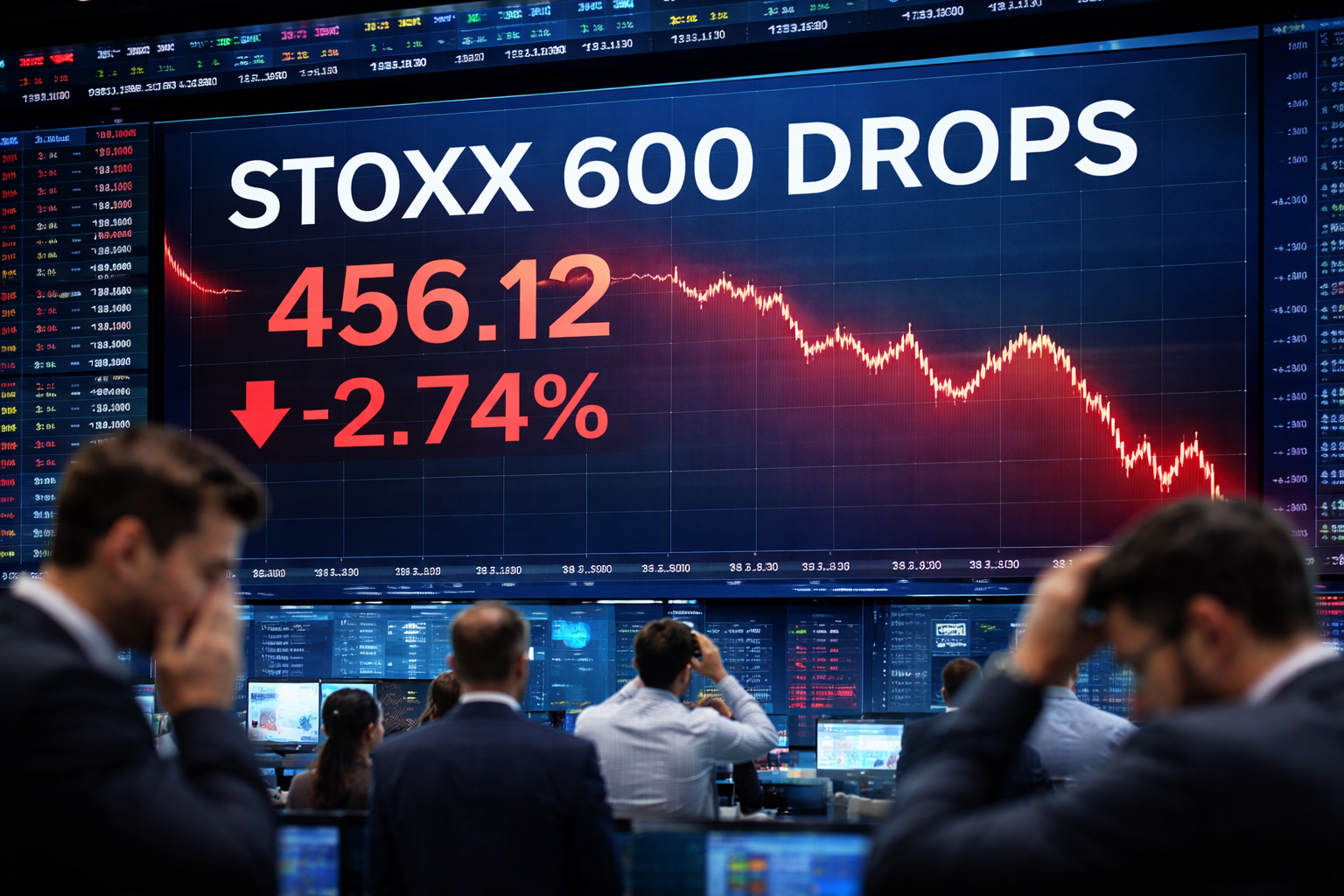
The Euro STOXX 50 Index fell 1.7% to 6,210, while the STOXX Europe 600 fell 1.3% to 638. Pressure was widespread, particularly in the banking and luxury goods sectors.
UniCredit shares plunged 4.8% despite the Italian bank posting solid quarterly results. Investors were concerned that its planned acquisition of German Commerzbank could disrupt the company's share buyback program.
BNP Paribas also fell 2.8% despite the company's earnings beating market expectations. Banking stocks were also under pressure as investors weighed tightening financial conditions and the risk of rising funding costs.
Market sentiment worsened after the European Central Bank maintained its benchmark interest rate, as expected. However, the ECB signaled that the risk of rising inflation could open the door to further interest rate hikes.
These concerns have intensified with the surge in gas and energy prices due to the escalating war between the United States and Iran. The conflict has begun to disrupt the movement of tankers from the Middle East and increase the risk to energy supplies to Europe.
Rising energy prices are a major concern for the Eurozone because most European countries rely on oil and gas imports. If energy costs remain high, transportation, production, and household costs could also increase.
Luxury goods stocks also came under pressure. LVMH, Hermes, and Ferrari each fell more than 3.5%, following negative sentiment after Moncler's disappointing results.
The decline in luxury goods stocks indicates that investors are becoming concerned about consumer purchasing power. High inflation and high borrowing costs can lead people to reduce spending on non-essential products and premium goods.
Impact on Markets
Surging energy prices could increase inflation and force the ECB to maintain high interest rates for longer. This tends to put pressure on European markets as corporate costs rise and consumer purchasing power weakens.
The euro has the potential to fluctuate. The US dollar could strengthen as a safe-haven asset, while gold could benefit from market uncertainty. Oil and gas prices also have the potential to remain high as long as supply disruptions from the Middle East persist.
Source: Newsmaker.id