

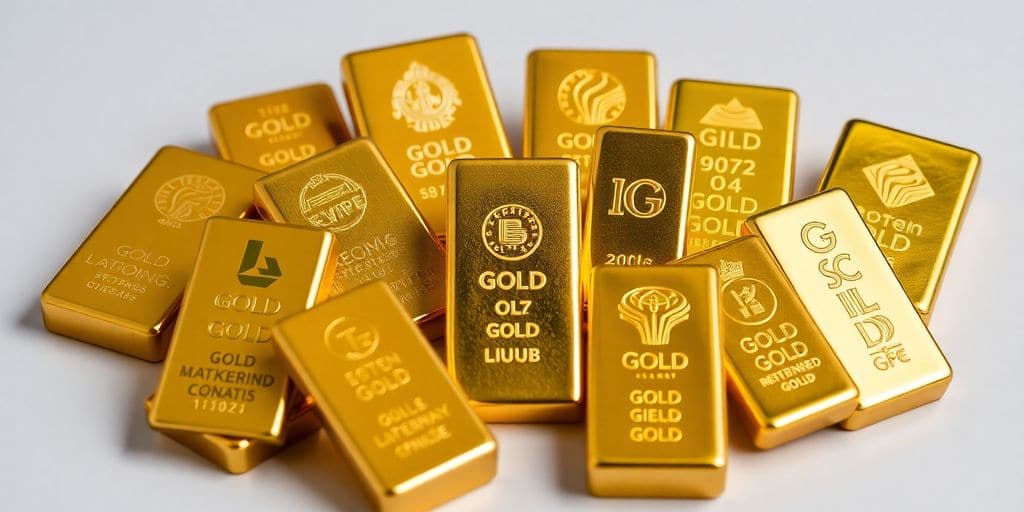
Gold Resilient, Central Banks Supporting
Gold prices are seen as showing resilience after being under pressure in recent months. One of the main supports comes from continued strong central bank buying, so the prospect of gold weakening is considered limited.
Gold moved above US$4,100 per troy ounce in July and is poised to record its first monthly gain since the Middle East war began. This increase occurred despite the re-escalation of the US-Iran conflict and a rebound in oil prices after a two-month decline.
Interest in gold has resurfaced as investors seek diversification amidst much uncertainty. The market continues to monitor the direction of the Middle East war, President Donald Trump's tariff plans, and doubts about the sustainability of the rally in AI-based technology stocks.
The biggest support comes from central banks. The World Gold Council estimates that net gold purchases by the official sector will reach 244 tons in the first quarter of 2026, up from 208 tons in the previous quarter. China also added to its gold reserves in June for the 20th consecutive month, while Poland remains a major buyer.
Gold is increasingly attractive as a reserve asset due to its relatively stable supply and low counterparty risk. Following the partial freezing of Russia's foreign exchange reserves in 2022, many central banks increasingly view gold as a key asset to reduce dependence on the US dollar.
As a result, gold still has the potential to remain strong as long as central bank purchases continue and concerns about global government debt increase. However, XAU/USD could remain under pressure if a Middle East war pushes oil prices well above US$100, the US dollar strengthens as a safe haven, or optimism about technology stocks again causes investors to exit safe-haven assets. (asd)*
Source: Newsmaker.id








