Markets Enter Alert Mode! Iran Rejected by US
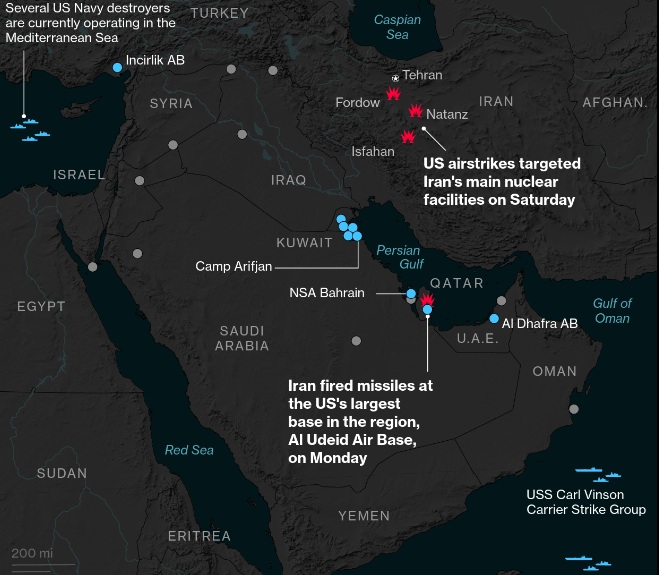
US President Donald Trump and Iran have mutually rejected the latest peace proposal to end the 10-week conflict in the Middle East, amid efforts to maintain a fragile ceasefire. Trump said he had read the response from Iranian "representatives" and called it "totally unacceptable" in a social media post.
Following Trump's comments, the US dollar continued to strengthen against other major currencies, reflecting the market's shift to safe-haven assets as geopolitical risks re-emerge. At the same time, market participants assessed that the direction of the negotiations remains unclear, including whether the swap proposal paves the way for normalizing energy shipping routes.
Media reported that Iran offered to dilute some of its highly enriched uranium stockpiles and send additional supplies to a third country. However, Iran reportedly demanded a guarantee that the removed uranium would be returned if the talks failed, and also refused to launch its nuclear facilities.
Iran, through its semi-official Tasnim news agency, denied the reports, stating they were untrue. Iran's statement demanded immediate authorization for war, the release of seized assets, the lifting of US sanctions on oil sales, permission for the US blockade of the Gulf of Oman, and ultimately Iran's control of the Strait of Hormuz. State media also said Iran viewed Trump's plan as equivalent to "surrender" and demanded the US pay for war damages.
Uncertainty over the Strait of Hormuz was immediately reflected in energy markets. Oil prices surged after Trump's rejection, with Brent rising about 3.5% to above US$104 per barrel, while US stock futures edged lower as risk sentiment worsened.
Trump did not agree to the demands, but domestic political pressure played a role, including a push to lower gasoline prices ahead of the November midterm elections. The conflict has affected thousands of people, disrupted oil and gas markets, and placed additional burdens on governments and consumers globally. Going forward, the movements of the dollar, gold, and oil will be largely determined by two variables: the direction of US-Iran negotiations and the status of shipping access in the Strait of Hormuz. If tensions persist and energy supplies remain high, oil is likely to remain volatile with an upward bias, which in turn maintains inflationary pressures and could reinforce expectations of high interest rates, potentially supporting the dollar. For gold, the impact can be two-pronged: geopolitical escalations typically support safe-haven demand, but a stronger dollar and expectations of higher interest rates are likely to be a drag; the final outcome depends on which one dominates over the next few sessions.
5 key points:
- Trump and Iran reject each other's peace proposals; Trump calls Iran's response "totally unacceptable."
- The US dollar strengthened after Trump's comments, signaling a renewed search for safe havens.
- Reports of Iran's nuclear proposal (dilution/sending to third countries) were denied by Tasnim.
- Iran is demanding wartime coercion, easing of oil sanctions, asset clearances, and changes to security/access arrangements in the region, including Hormuz.
- Oil surged and US stock futures edged lower as the risk of disruptions in Hormuz again weighed on sentiment. (asd)
Source: Newsmaker.id