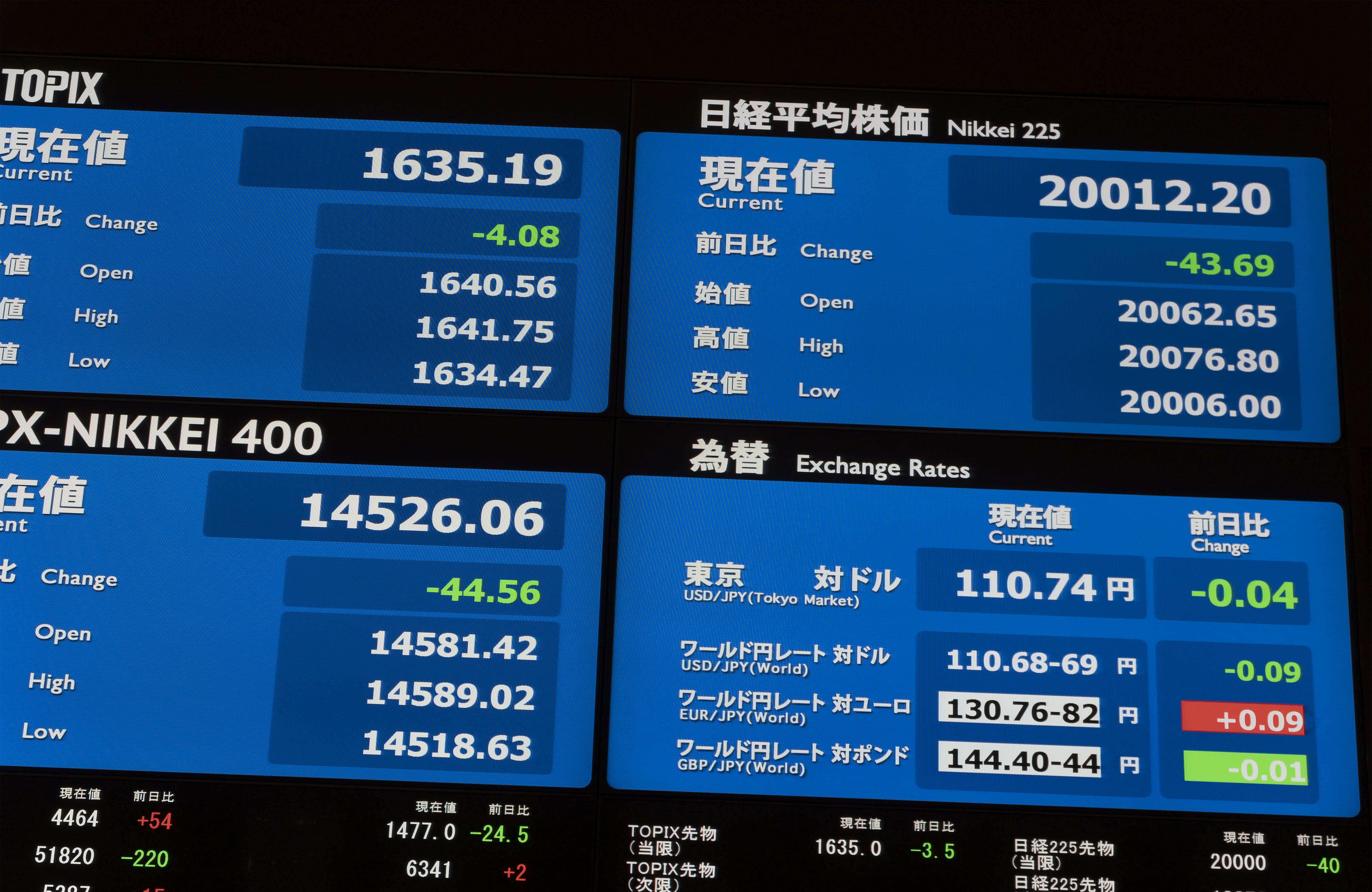
Asian Stocks Weaken, Technology a Major Weigh
Asian stock markets weakened in early trading, led by declines in technology and chip stocks, which gave up some of the previous session's sharp gains. This movement came after a volatile close on Wall Street, with pressure on large technology stocks offsetting optimism from a strong report by Micron Technology.
Asian stock indexes fell about 1.1%, while South Korea's Kospi, which employs many technology stocks, plunged more than 3%. US stock futures were relatively flat. The pressure in Asia reflected investor caution after Thursday's major rally in chip stocks began to lose steam.
On Wall Street, the S&P 500 closed nearly flat after failing to sustain an initial rally fueled by Micron's sales prospects. Apple was the main drag, with its shares falling 6.1% as the company raised prices for Macs, iPads, and home appliances. The price increases fueled concerns that the cost of chips and technology components could squeeze margins for large companies.
Calls for Apple to join the Magnificent Seven group of stocks have drawn attention. This situation has led to market concerns about whether the tech giants, which have been the main drivers of the rally for the past two years, can still meet investors' high expectations. Concerns about the massive AI spending have also made chip stocks highly volatile throughout the week.
Although Micron posted strong reports and prospects, this optimism did not carry over into Asian trading. Shares of SK Hynix, Samsung Electronics, and Kioxia Holdings weighed on the major regional indices. The chip sector had received a significant boost the day before after Micron demonstrated strong demand for memory and artificial intelligence infrastructure.
Beyond technology, the market is also closely monitoring oil prices. Brent crude briefly rose on Thursday following a projectile attack on a ship in the Strait of Hormuz, which rekindled concerns about the security of this vital shipping lane. However, oil prices moved slightly lower in early Asian trading, as investors weighed geopolitical risks against the potential for normalized supply flows from the Persian Gulf.
From a macroeconomic perspective, US inflation data provided some relief to the market. The Personal Consumption Expenditures (PCE) price index rose 0.4% in May, lower than economists' estimates of 0.5%. However, annual inflation remained elevated at 4.1%, still well above the Federal Reserve's 2% target.
Other data suggests the US economy remains quite strong. First-quarter gross domestic product was revised up to 2.1% annually, faster than previously estimated. Meanwhile, the interest rate swap market slightly reduced bets on a Fed rate hike this year, with the odds of a hike next month dropping to about one in three.
New York Fed President John Williams said current interest rates are well-positioned to bring inflation back toward the central bank's target. This statement helped ease some market concerns, although inflationary pressures have not completely disappeared.
In commodity markets, gold held steady after returning above US$4,000 per troy ounce in the previous session. Gold's stability occurred as traders partially reduced expectations for an interest rate hike, although the dollar and yields remain important factors limiting the precious metal's upside.
Overall, Asian markets remained cautious. Investors viewed lower-than-expected US inflation data as a positive signal, but pressure on major technology stocks, chip volatility, and renewed risks in the Strait of Hormuz have kept market sentiment from fully recovering. (asd)
Source: Newsmaker.id