US PCE Helps Steer Gold's Weakness
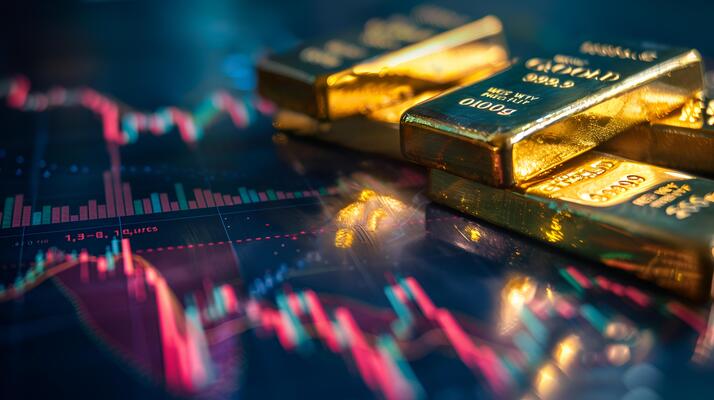
Gold prices held steady around US$4,000 per troy ounce after the latest US inflation data eased market expectations of a Federal Reserve interest rate hike. This movement capped a volatile week for gold, after the precious metal had previously fallen to its lowest level since November.
Spot gold prices moved relatively flat at the start of trading, after recovering by around 0.7% in the previous session. This recovery occurred after US Treasury bond yields fell on Thursday, following the release of the Personal Consumption Expenditures (PCE) price index, the Fed's preferred inflation indicator.
The US PCE data for May rose 0.4%, lower than market expectations. This result helped ease pressure on gold as investors began to trim expectations for an imminent interest rate hike. Bond market participants now estimate a slightly lower chance of a rate hike this year, while the odds of a hike next month have shrunk to around one in three.
This is important for gold, as high interest rates typically put pressure on precious metals. Gold doesn't offer a yield like bonds, so when interest rates and yields rise, gold's appeal tends to diminish. Conversely, when expectations of interest rate hikes subside and yields fall, gold usually has room to stabilize or rebound.
The US dollar is also a market concern. The dollar index briefly halted its upward trend on Thursday after strengthening by around 1.8% since the Fed's latest meeting last week. At the meeting, policymakers signaled support for higher borrowing costs, while Fed Chairman Kevin Warsh struck a more hawkish policy tone.
A stronger dollar typically puts downward pressure on commodity prices, including gold, because it makes dollar-priced assets more expensive for buyers using other currencies. Therefore, the dollar's weakening after US inflation data helped ease pressure on gold.
However, gold's recovery still appears limited. Spot gold prices fell slightly by 0.1% to around US$4,021.88 per troy ounce in early Asian trading. Meanwhile, silver also weakened 0.1% to US$57.80 after rising 0.8% on Thursday. Platinum and palladium also moved lower.
Overall, gold remains on track for its fourth consecutive weekly decline. This means that, although US inflation data has provided some relief for the market, the pressure from expectations of a still-tight Fed policy has not completely dissipated. Going forward, gold's direction will depend heavily on dollar movements, Treasury yields, and further signals from Fed officials regarding interest rates. (asd)
Source: Newsmaker.id