

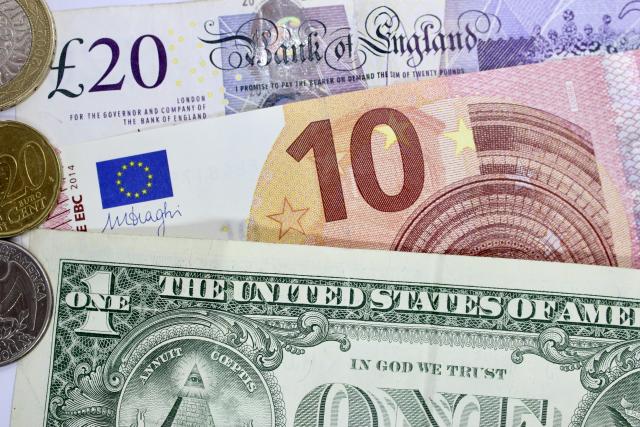
Euro-Pound Steady, Dollar Loses War Premium
The US dollar headed for a second straight weekly decline on Friday (April 17), as investors shed safe-haven positions after the 10-day Israel-Lebanon ceasefire took effect and the prospect of new US-Iran talks later this week loomed. The dollar index (DXY) edged down 0.02% to 98.185, reflecting a return to risk appetite even as energy prices continued to maintain inflation concerns.
The euro was steady at US$1.178225 and on track for a third weekly gain, while the pound was flat at US$1.35225—both having pared losses triggered by the Iran conflict and returned near seven-week highs. The dollar also held steady against the yen at 159.225, after Bank of Japan Governor Kazuo Ueda avoided signaling an imminent interest rate hike, raising the possibility of a pause until at least June. Riskier currencies held firm, with the Australian dollar at US$0.71710 near a four-year high and the kiwi at US$0.5887.
The spotlight remains on Iran. US and Iranian negotiators are said to have downgraded their ambitions from a comprehensive peace deal to an interim memorandum to prevent a recurrence of conflict, with the nuclear issue remaining a key stumbling block. The direction of the dollar and foreign exchange is now heavily influenced by geopolitical headlines as markets assess how long the de-escalation can truly last.
In the interest rate market, Treasury yields are holding steady after rising in the previous session: the 2-year yield is at 3.7732% and the 10-year yield is at 4.3054%. Markets are now betting the Fed will hold rates steady this year, reversing expectations of two pre-war rate cuts. Inflation concerns remain amidst high oil prices, but the more-than-expected drop in US jobless claims indicates a stable labor market—giving the Fed room to remain “wait and see” while monitoring the impact of energy inflation.
Going forward, the market will monitor the continuation of US-Iran talks, the implementation of the Israel-Lebanon ceasefire, energy price movements, and central bank signals (including the ECB, which said it needed more data before considering a hike, and the G7, which stated it was ready to act in response to inflationary and economic risks from energy shocks). (Arl)*
Source: Newsmaker.id








