Trump Claims Iran Has Softened, But Hormuz and Nuclear Power Remain Key
US President Donald Trump said Iran has made significant concessions in negotiations to end the seven-week war, as a 10-day ceasefire between Israel and Lebanon raised hopes for a regional de-escalation. Trump even suggested the April 7 ceasefire with Iran might not need to be extended before it expires next week—contrary to expectations of some Gulf and European leaders who had estimated the process toward a peace agreement could take about six months.
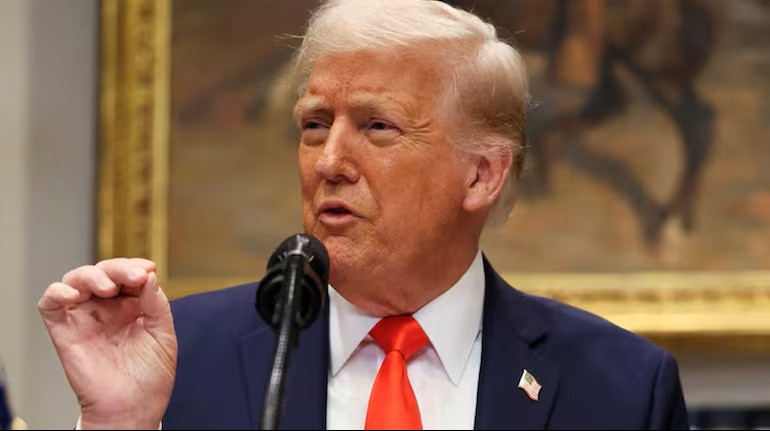
Trump said Tehran “wants to make a deal” and is now willing to do things it didn’t do two months ago, and said an announcement could come “soon.” However, Iran has not responded to the claims of concessions, including on the issue of its nuclear program. Trump reiterated that Iran “will not have a nuclear weapon” and dismissed the idea of a time-limited moratorium on uranium enrichment as negotiable.
Trump’s optimism continued to support risk assets, although markets began to hold off on positions heading into the weekend. Wall Street hit a record on Thursday, while the MSCI All Country World Index fell 0.1% on Friday after a 10-day rally that had taken it to a record high. In commodities, Brent fell 1.3% to US$98.10 a barrel, but was still up more than a third from its pre-war level. At the same time, physical prices continued to show tight supplies: Dated Brent hovered around US$116 a barrel, reflecting a near-term shortage of barrels amid the effective closure of Hormuz.
The Israel-Lebanon ceasefire announced by Trump is expected to hold through Friday. Although the announcement did not mention Hezbollah, the Iran-backed group reportedly stopped firing rockets into Israel overnight. Israeli Prime Minister Benjamin Netanyahu confirmed the agreement, calling it a step toward broader peace, while Trump said US officials would work with both sides to secure a lasting agreement. But the war in Lebanon has taken a heavy toll—Lebanese authorities say more than 2,000 people have been killed and more than a million displaced—making the risk of escalation sensitive.
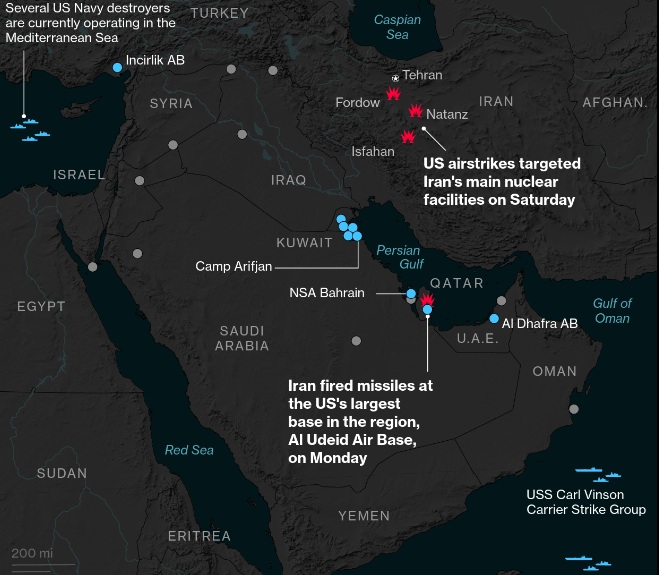
For energy markets, the Strait of Hormuz remains a key point. The strait previously carried about a fifth of global oil and LNG, and prolonged disruptions have raised concerns about a slowdown and inflationary pressures. Tensions in Hormuz now hinge on a US naval blockade aimed at preventing Iranian oil from reaching global markets, and Iran's demands to continue collecting transit fees for ships even after the war ends. Several Gulf and European leaders are pushing for an immediate reopening, warning of the risk of a wider crisis if the strait remains blocked beyond next month.
In Europe, Britain and France are said to be hosting a meeting of about 40 countries to discuss the creation of a multinational naval force to secure Hormuz, although deployment is considered unlikely before a more comprehensive agreement is reached. US Defense Secretary Pete Hegseth has said US forces are ready to return to service "at the push of a button," while Iran has warned that a prolonged blockade could violate the ceasefire.
Pakistan remains at the center of the mediation process. Pakistani army chief Asim Munir is said to be visiting Iran this week after Pakistan hosted high-level US-Iranian talks last weekend that failed to produce a breakthrough. Trump also said he "might" go to Pakistan if a deal is reached, but comments from US and Iranian officials indicate wide differences remain, particularly on nuclear issues, Hormuz, and the scope of the ceasefire, which Iranian Parliament Speaker Mohammad Bagher Ghalibaf has said must include Lebanon.
Markets are now waiting to see whether the April 7 ceasefire can truly be allowed to expire without an extension, how quickly Hormuz flows can be restored, and whether the "interim memorandum" package being discussed can prevent a recurrence of war. Variables to be monitored include any signs of compromise on uranium enrichment, the status of the blockade and transit fees for Hormuz, the ceasefire's implementation in Lebanon, and Pakistan's continued mediation agenda ahead of next week's deadline. (Arl)
Source: Newsmaker.id