Oil Prices Rise On U.S., Russian Supply Concerns
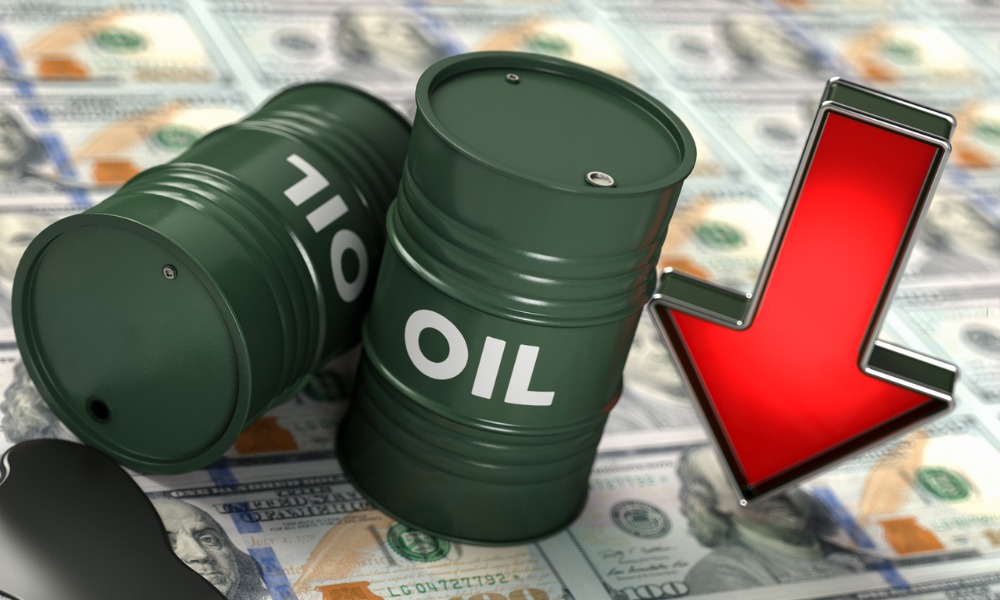
Oil prices edged up on Wednesday amid concerns about supply disruptions in the U.S. and Russia, and as markets awaited clarity on Ukraine peace talks.
Brent crude was up 14 cents, or 0.2%, at $75.98 a barrel by 0450 GMT, and may be poised for a third day of gains.
U.S. West Texas Intermediate crude for March was up 16 cents, or 0.2%, at $72.01, up 1.8% from Friday’s close after being volatile on Monday due to the Presidents Day holiday. The March contract expires on Thursday and the more active April contract rose 14 cents, or 0.2%, to $71.97.
“The psychologically important $70 level appears to be holding strong, helped by Ukrainian drone attacks on Russian oil pumping stations and concerns that cold weather in the U.S. could curb supply,” said IG market analyst Tony Sycamore.
“In addition, there is some speculation that OPEC+ may decide to postpone its planned increase in April,” he said, referring to the Organization of the Petroleum Exporting Countries and its allies.
Russia said oil flows through the Caspian Pipeline Consortium (CPC), a key route for crude exports from Kazakhstan, were cut by 30%-40% on Tuesday after Ukrainian drone attacks on pumping stations. A 30% cut would equate to a loss of 380,000 barrels per day of supply to the market, according to Reuters calculations.
Meanwhile, cold weather is threatening U.S. oil supplies, with the North Dakota Pipeline Authority estimating that output in the country’s third-largest oil-producing state could drop by as much as 150,000 barrels per day.
The Trump administration said Tuesday it had agreed to hold more talks with Russia to end the war in Ukraine. The deal could ease or help lift sanctions that have disrupted Russian oil shipments.
Analysts at Goldman Sachs said a potential Ukraine-Russia peace deal and related easing of sanctions on Russia are unlikely to significantly boost Russian oil flows.
"We believe Russian crude production is constrained by the OPEC+ production target of 9 million barrels per day rather than current sanctions, which affect the target but not the volume of oil exports," they said in a report.
Israel and Hamas are also set to begin indirect negotiations on a second phase of the Gaza ceasefire deal, officials said Tuesday.
However, Trump said Tuesday he intends to impose auto tariffs of "around 25%" and similar duties on semiconductor and pharmaceutical imports. Tariffs could raise consumer prices, weaken the economy and reduce fuel demand.
Source: Bloomberg