Oil Prices Correct Sharply, Hormuz Remains a Major Risk
Oil prices fell around 2% in trading on Thursday (July 9), despite the market still facing supply risks due to the conflict between the United States and Iran. Investors are beginning to worry that rising inflation and global economic pressures could weaken energy demand.
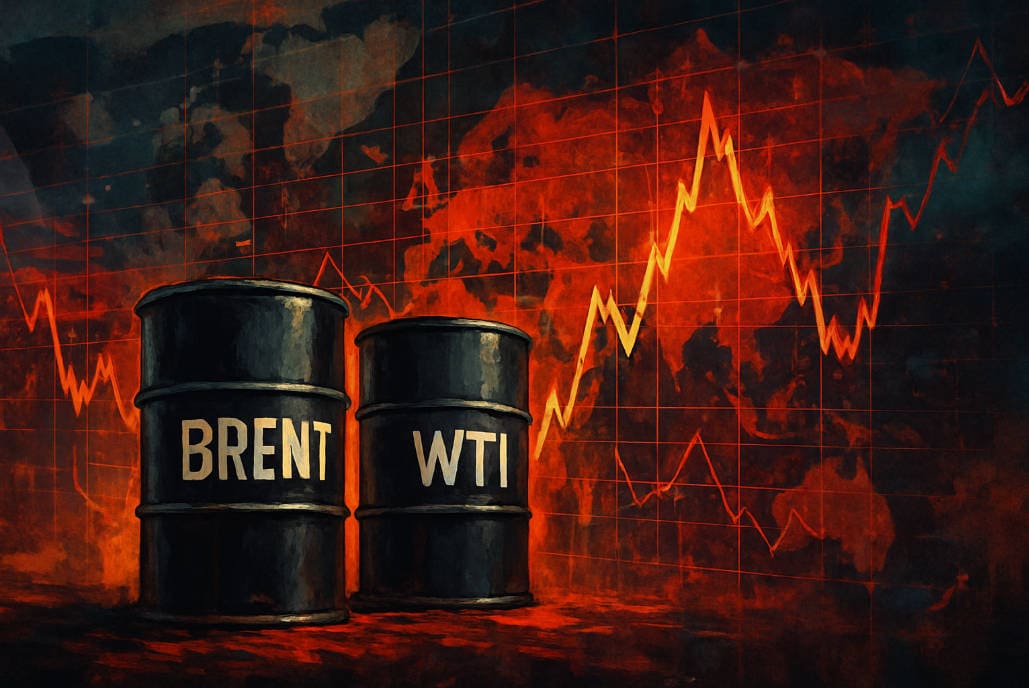
Brent crude fell US$1.72, or 2.2%, to close at US$76.30 per barrel. Meanwhile, West Texas Intermediate (WTI) fell US$1.44, or 2.0%, to US$72.08 per barrel.
This decline occurred after Brent and WTI had previously closed at their highest levels since late June. This indicates that the market is beginning to take profits while weighing whether geopolitical risks are truly strong enough to keep prices high.
Tensions in the Middle East remain a major focus. Iranian forces launched attacks on US military infrastructure in several Gulf states after Washington attacked Iran's southern coastal region and eastern provinces.
This escalation is further putting pressure on the ceasefire agreement, which has only been in place for about three weeks. At the same time, Iran also buried Supreme Leader Ayatollah Ali Khamenei in Mashhad, after he was killed on the first day of the war on February 28.
The Strait of Hormuz has once again become a flashpoint. Before the war, this waterway handled about 20% of global oil supplies. However, the full reopening of the strait has been delayed due to conflicts and military interventions in the region.
Iran's Revolutionary Guard Corps (IRGC) said the US attack and the diversion of shipping lanes have disrupted the reopening of the Strait of Hormuz. This situation has kept the market on alert for possible disruptions to global oil supplies.
However, pressure on prices is coming from the demand side. In the United States, initial jobless claims fell last week, indicating the labor market remains relatively stable. The minutes of the Fed's meeting also showed that central bank officials remain concerned about inflation.
New York Fed President John Williams said he does not expect rising energy prices to persist for the remainder of the year. However, the market remains cautious as high interest rates can depress economic growth and reduce oil demand.
From China, pressure is also coming after producer inflation surged to a four-year high in June. This situation puts pressure on producer margins, particularly as domestic demand remains weak and there's limited room for price increases.
In Europe, energy markets are also monitoring Ukrainian drone attacks on dozens of Russian tankers in the Sea of Azov. The attacks are part of an effort to disrupt Russian fuel supplies and increase uncertainty about global energy supplies.
Meanwhile, US diesel prices recorded their biggest daily spike in four years after Russia announced a ban on industrial fuel exports. This policy exacerbated supply concerns amid uncertainty about Middle Eastern oil flows.
For the market, the current oil correction demonstrates that geopolitical risks alone are not enough to keep prices rising. Investors are starting to focus more on the impact of inflation, high interest rates, and the potential for weakening global demand.
As long as the Strait of Hormuz remains unopened and the US-Iran conflict persists, oil prices remain potentially volatile. However, if concerns about global demand intensify, Brent and WTI could remain under pressure even if supply risks persist. (arl)
Source: Newsmaker.id