Warsh Revamps Fed's Working Method, Focus on Inflation Remains Firm
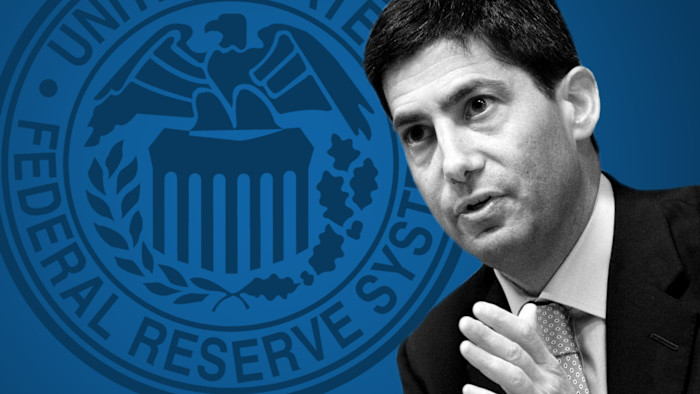
The Federal Reserve announced the membership of five new task forces, previously introduced by Fed Chairman Kevin Warsh at his first monetary policy meeting. This move is part of an effort to review the US central bank's working methods in response to a rapidly changing economy.
The Fed emphasized that its commitment to price stability and its maximum employment mandate remains unchanged. This message is important as markets continue to monitor whether Warsh's leadership will bring about major changes in the direction of monetary policy communication and strategy.
The five task forces will focus on communication, balance sheet policy, improving the quality and timeliness of economic data, productivity and labor, and developing an inflation framework. Warsh previously called these areas crucial for review as the US economy faces new dynamics, including AI technology and persistent inflationary pressures.
Each task force will consist of three members and be supported by Fed staff. However, the groups will work independently, follow available evidence, and prepare findings for the Federal Open Market Committee (FOMC).
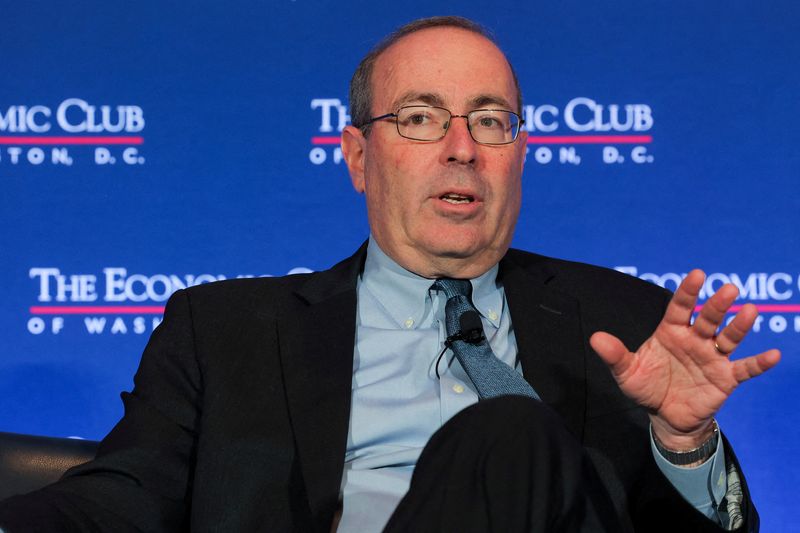
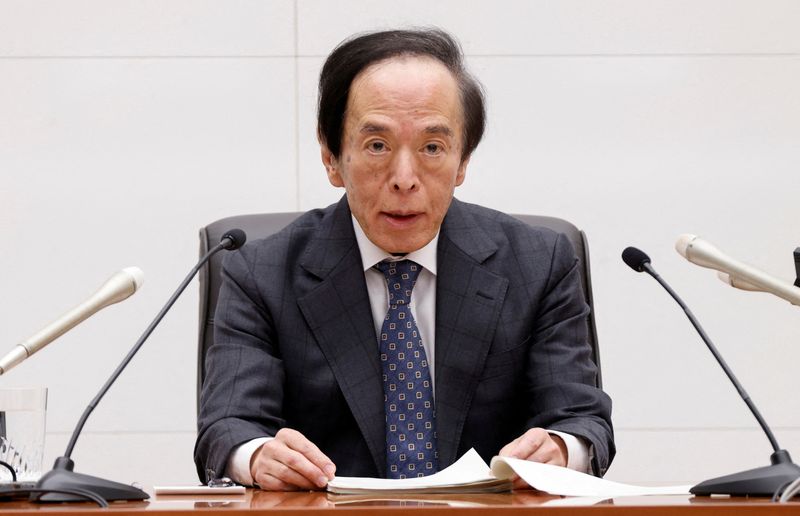
Several prominent figures are included in the lineup. These include former Bank of England Governor Mervyn King, former Reserve Bank of India Governor Raghuram Rajan, former Fed Governor Jeremy Stein, and former President of the Central Bank of Brazil Arminio Fraga.
The Communications Task Force will review how the Fed communicates its decisions and policy direction to the public. Meanwhile, the Balance Sheet Task Force will examine the costs, benefits, and implications of the Fed's current balance sheet regime.
For economic data, the focus will be on improving the quality of economic signals used in decision-making. This is crucial because the Fed wants to read economic conditions more quickly and accurately, rather than relying solely on data that often arrives late.
Meanwhile, the Productivity and Labor Task Force will assess the impact of new technologies, including AI, on the economy. The Inflation Framework Task Force will review how the Fed understands and responds to drivers of inflation.
For the market, the formation of these task forces does not directly signal an imminent interest rate hike or cut. However, this step could influence how the Fed interprets data, communicates messages, and makes future policy decisions.
If the study results make the Fed more sensitive to inflation, the US dollar and Treasury yields could potentially gain support. Conversely, if the new approach opens up the possibility of viewing AI productivity as a long-term inflationary driver, the market could begin to assess the possibility of looser policy in the future.
For now, the main message remains clear: the Fed wants to update its tools and approach, but its commitment to price stability remains its top priority. This means the market still needs to carefully interpret every Warsh signal, especially regarding inflation, labor data, and the direction of interest rates. (arl)
Source: Newsmaker.id