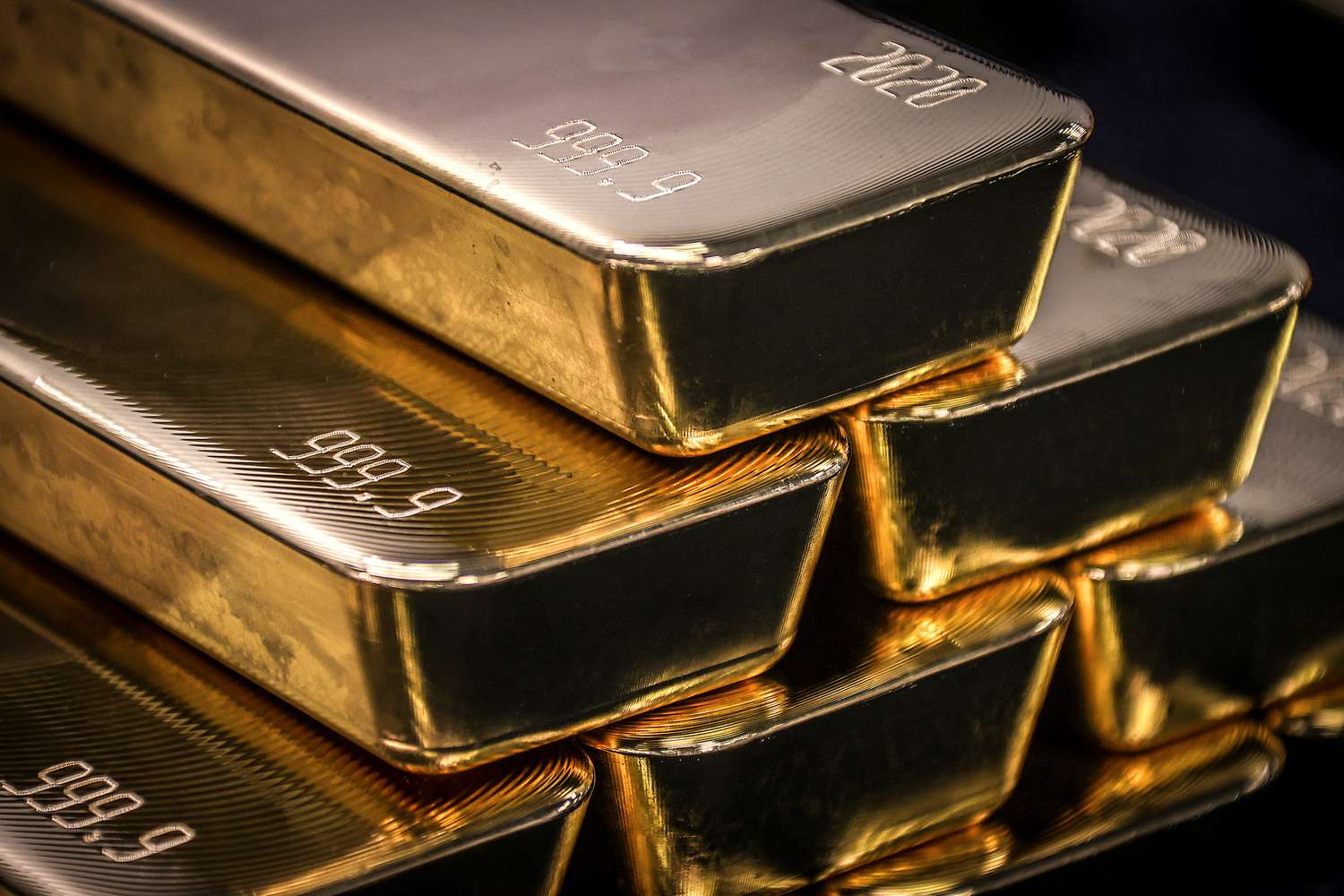
Gold Falls as U.S.-China Trade Talks Optimism Drains Safe-Haven Demand
Gold fell, halting a two-day advance, after China and the U.S. confirmed upcoming trade talks, dampening demand for safe havens.
Spot bullion fell as much as 2.1% after surging nearly 6% in the previous two sessions. Washington and Beijing announced that Treasury Secretary Scott Bessent and U.S. Trade Representative Jamieson Greer would travel later this week to Switzerland to meet Chinese Vice Premier He Lifeng.
The talks were the first since President Donald Trump imposed sweeping tariffs on China, raising optimism about a deal between the two largest economies. However, Beijing has said it will not sacrifice principled stances or international fairness in seeking any deal. The dollar gained against most major currencies.
Investors largely shrugged off rising tensions in South Asia, where India has launched a military offensive against Pakistan. Islamabad said it had shot down five Indian jets, calling India’s move an “act of war.” The prospect of conflict between the nuclear-armed neighbors would normally support gold buying, although that appears to have been offset by the prospect of easing global trade tensions.
Gold bullion prices have surged nearly 30% this year, with investors seeking refuge amid widespread market turmoil unleashed by Trump’s aggressive trade and geopolitical policies. Bullion hit a record above $3,500 an ounce in April, before losing some ground in recent weeks. The rally has also been fueled by speculative demand in China and central bank buying.
Spot gold fell 1.6% to $3,377.70 an ounce as of 10:47 a.m. in London. The Bloomberg Dollar Spot Index rose 0.3%, snapping a three-day decline of more than 1%. Silver fell, while platinum and palladium were largely flat.
The Federal Reserve will make its interest-rate decision later Wednesday, with policymakers widely expected to stay on hold, despite Trump’s repeated criticism of Chairman Jerome Powell for not cutting. Officials have largely emphasized the need to wait and see how trade policies affect the economy. Lower borrowing costs tend to benefit gold, since it doesn’t pay interest.
Source: Bloomberg