Schmid Urges Fed to Tighten Policy; Gold Faces Pressure
Federal Reserve Bank of Kansas City President Jeff Schmid believes current US monetary policy is not yet restrictive enough to bring inflation back to the 2% target. He views inflation as still too high and concerning, suggesting the Fed needs to consider further tightening.
Schmid assesses that the US economy remains resilient, while the labor market is in a relatively balanced state. This situation allows the central bank to focus more on controlling inflation without excessive worry about triggering a sharp decline in employment. This stance aligns with his view from July that price pressures should not be dismissed as merely transitory simply because they are driven by energy costs or supply disruptions.
While he welcomes recent improvements in inflation data, he believes it is too early to confirm that the downward trend in prices will persist. The PCE price index remains his primary gauge for assessing inflation pressure, as it captures broader consumer spending patterns.
Massive investment in artificial intelligence infrastructure is also a point of focus. The construction of data centers drives up demand for electricity, equipment, labor, and capital, potentially adding to price pressures in the short term. Schmid argues that the Fed should not overlook such inflation simply because it stems from technological shifts or supply-side disruptions.
Schmid’s remarks bolster the hawkish faction within the Fed. The central bank previously held interest rates in the 3.50%–3.75% range, though three officials favored a 25-basis-point hike, citing the risk of inflation becoming entrenched. Although Schmid is not a voting member on policy this year, his views reinforce expectations that interest rates may need to remain high or be raised again.
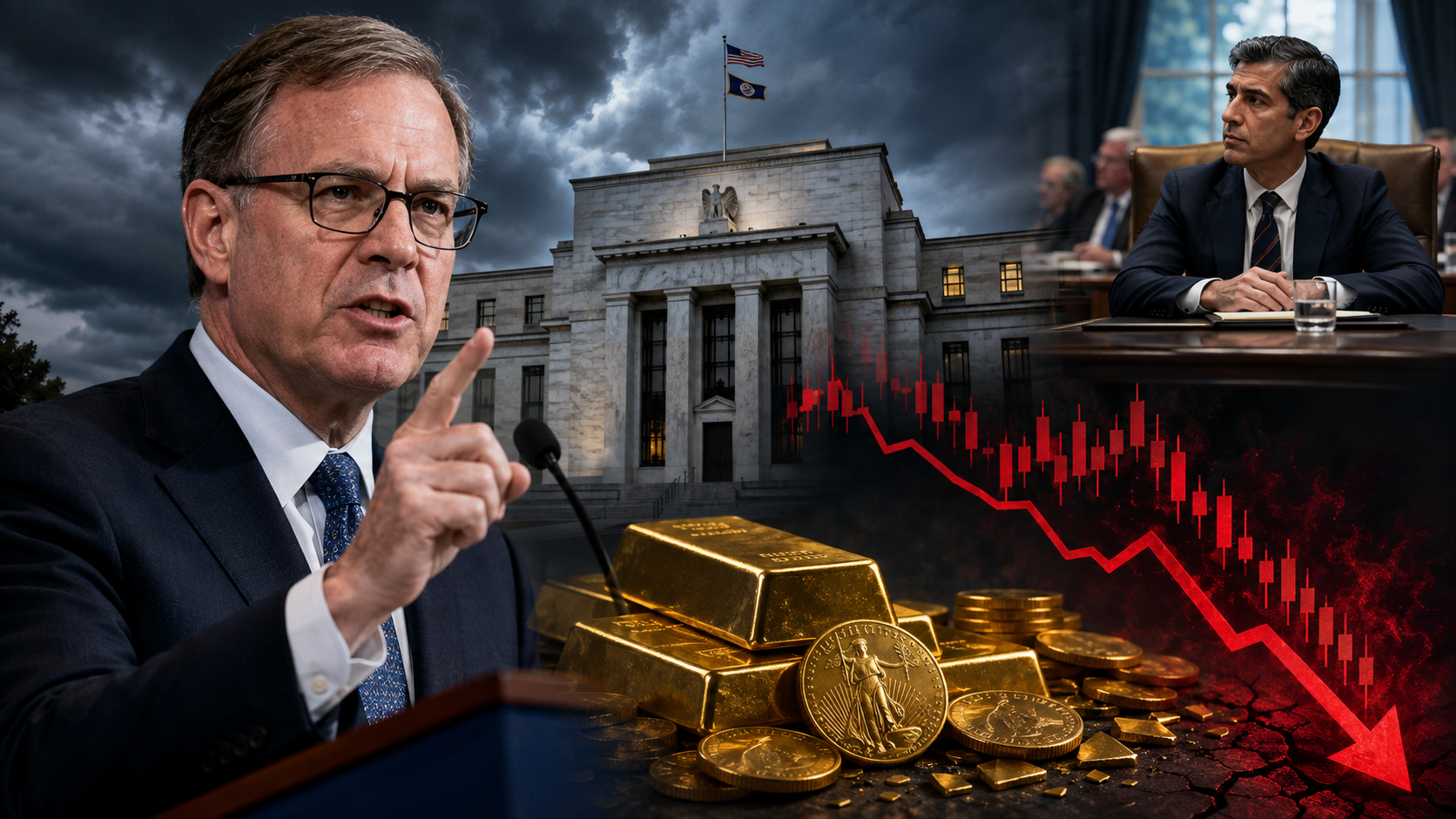
Newsmaker Analysis: Schmid’s comments tend to support the US dollar and bond yields but could weigh on gold and equities. For gold, the US$4,050 level serves as the immediate support, followed by the US$4,020–US$4,000 range. Resistance lies at US$4,100. However, hawkish pressure could be tempered if oil prices continue to fall and US labor data show signs of weakness, as both factors could reduce the need for further interest rate hikes.
Source: Newsmaker.id