Kashkari: Hormuz Closure a Test for Fed Inflation
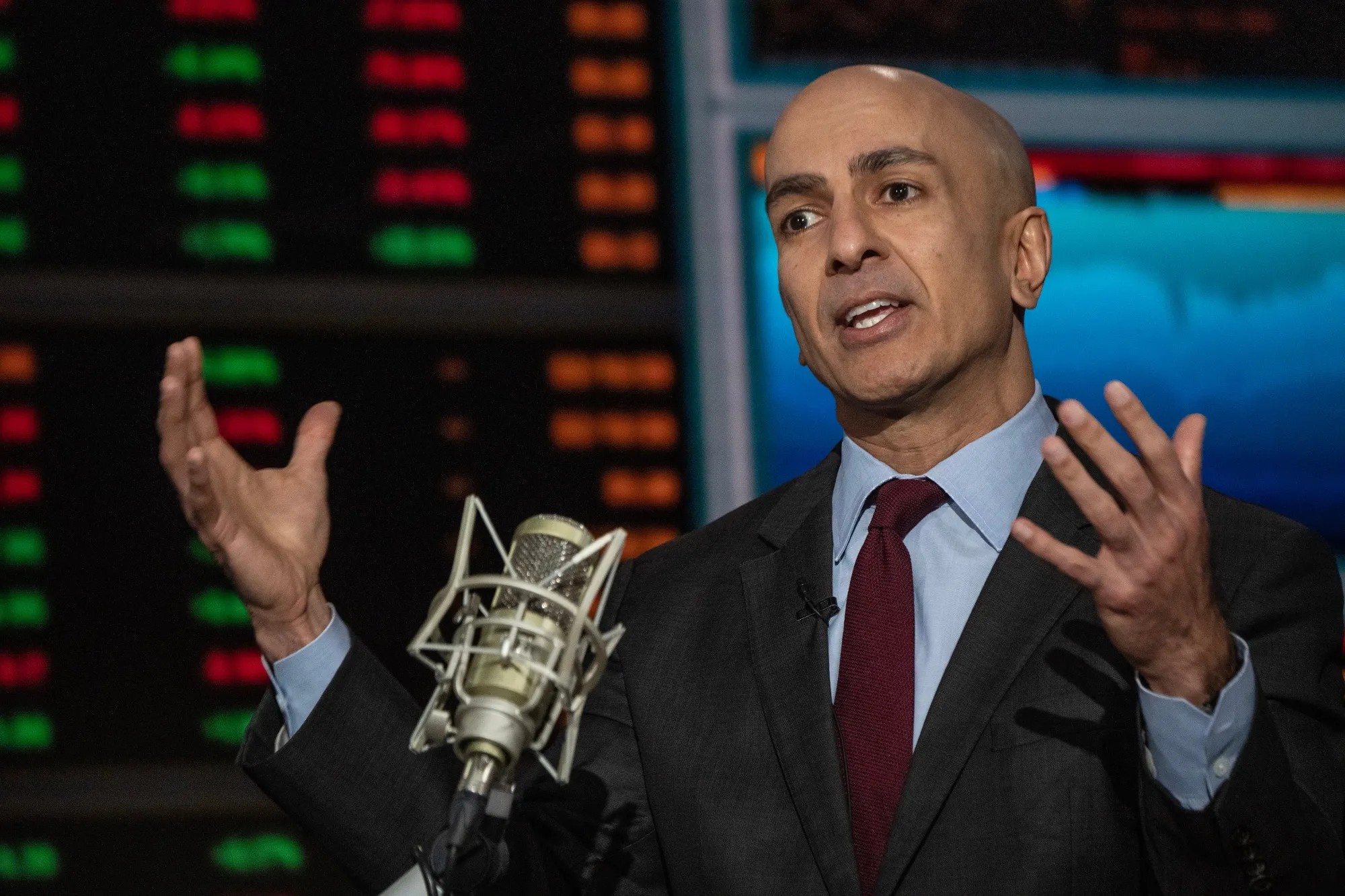
Minneapolis Federal Reserve President Neel Kashkari believes US inflation remains too high, with a "big question mark" now surrounding how long the Strait of Hormuz will remain closed and how significant its impact will be. At a St. Paul Area Chamber event in St. Paul, Minneapolis, on Wednesday (May 13), Kashkari said the duration of the disruption in Hormuz could be a key determinant of how the inflation landscape changes.
Kashkari emphasized that the 2% inflation target must remain achievable and that the "goalpost" should not be shifted. He argued that an inflation shock does not absolve the Fed from its price stability mandate, although the situation makes the central bank's task more challenging.
He added that before the Iran conflict, the Fed had confidence that inflation would move toward 2%. However, the Iran "shock" has changed the inflation environment, increasing uncertainty about how quickly price pressures will subside.
On the activity front, Kashkari described the labor market as moving "sideways" and tending to be "lukewarm," although it still appears "resilient." In other words, employment conditions have not shown a sharp weakening that could change the policy focus in the near term.
Kashkari also stated that he does not believe the Fed's interest rate decision will have much impact on mortgage rates. For the market, the combination of still-high inflation and energy supply risks from Hormuz keeps the policy bias cautious, with the focus on how long the energy- and logistics-based inflation shocks will persist. (arl)
Source: Newsmaker.id