Fed Chair Race Heats Up, Markets Await a Signal!
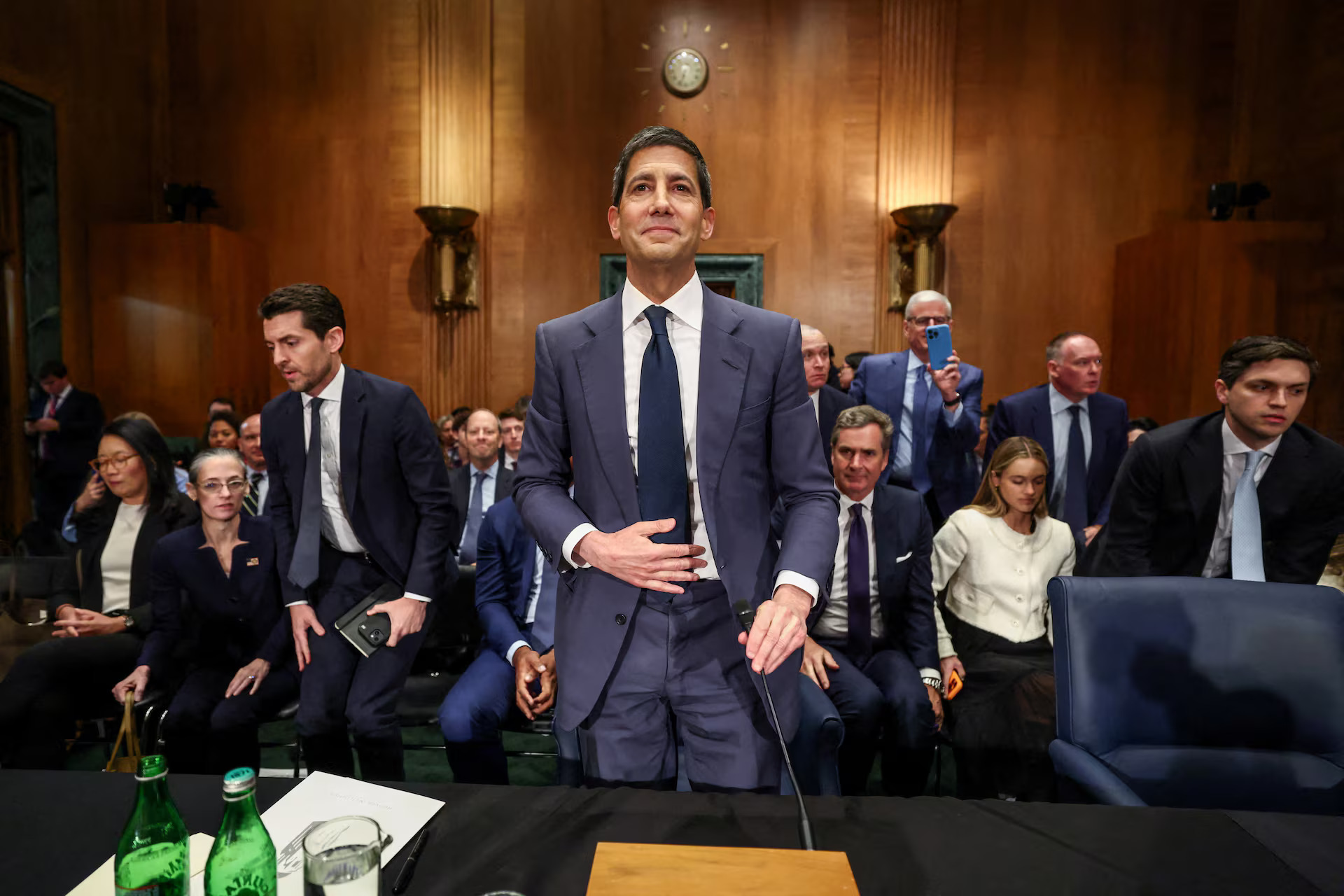
The US Senate passed a procedural step that paves the way for Kevin Warsh, President Donald Trump's preferred nominee, to be confirmed as the next head of the Federal Reserve. This vote marks a crucial phase as it accelerates the process toward a final vote in the Senate.
In the vote, the Senate approved cloture by a 49-44 vote, essentially limiting debate and allowing Warsh's nomination to move to the final decision stage. Support was reported to be largely along party lines, with two Democratic senators reportedly supporting the procedural step.
Warsh was nominated to replace Jerome Powell as Fed Chair, with Powell's term as chairman set to expire on Friday. The confirmation process is being closely watched by markets as it comes at a crossroads in US monetary policy, particularly amid debate over when and how quickly interest rates can be lowered.
Some Senate Democrats have highlighted the central bank's independence, with concerns that a leadership change could increase political pressure on interest rate policy. Supporters, on the other hand, believe Warsh has the experience needed to lead the Fed during a sensitive period for inflation and market stability. The next stage is the final vote to confirm Warsh, after which the Senate will still need to conduct a separate process to confirm him as chair. The market generally views this progress as a factor that could influence policy expectations, particularly if there are signs of a shift in the Fed's direction on inflation and interest rates.
During this nomination process, the market typically responds through policy expectations and uncertainty premiums: if investors perceive the new chair candidate as potentially more "hawkish" (tighter on inflation), Treasury yields and the dollar tend to strengthen as the market prices in the possibility of higher interest rates remaining longer, while stocks may become more selective, particularly in interest-rate-sensitive sectors. Conversely, if the candidate is perceived as more "dovish" or pro-growth, equity sentiment may improve and yields may soften. In both scenarios, volatility typically increases closer to the final vote as the market awaits certainty regarding the Fed's direction and independence. (asd)
Source: Newsmaker.id