Red Sea Heats Up, Oil Risks Grow More Vulnerable
US President Donald Trump has dampened the chances of quick talks with Iran amid escalating attacks by both countries and renewed threats from Yemen's Houthi group against Red Sea shipping lanes.
Trump said the US would respond if the Iran-backed group disrupts the vital shipping lane. However, he did not elaborate on what Washington's response would be.
The statement came after a new wave of attacks between the US and Iran, while mediators were still trying to reopen negotiations. Trump asserted that the US was not interested in dialogue until Iran was ready to talk meaningfully.
Tehran denied US claims that it was seeking new talks. Meanwhile, mediators are still trying to revive the interim agreement from June 17, although there have been no clear signs of progress.
Oil prices also rose as the market feared that a key global energy supply route was under increasing threat. Brent crude rose, a key global energy supply route under increasing threat. Brent crude rose to near US$92 per barrel, while oil prices have surged about 20% throughout July since the conflict escalated.
The US military said it had attacked Iranian military command centers, launch sites, and air defense systems. Iran retaliated by attacking facilities in Kuwait and Jordan, while the UK reported attacks on two ships around the Strait of Hormuz.
The US Central Command also stated that it had completed its 11th consecutive night of attacks against Iran. The attacks were said to be aimed at weakening Iran's ability to threaten commercial shipping in the Strait of Hormuz.
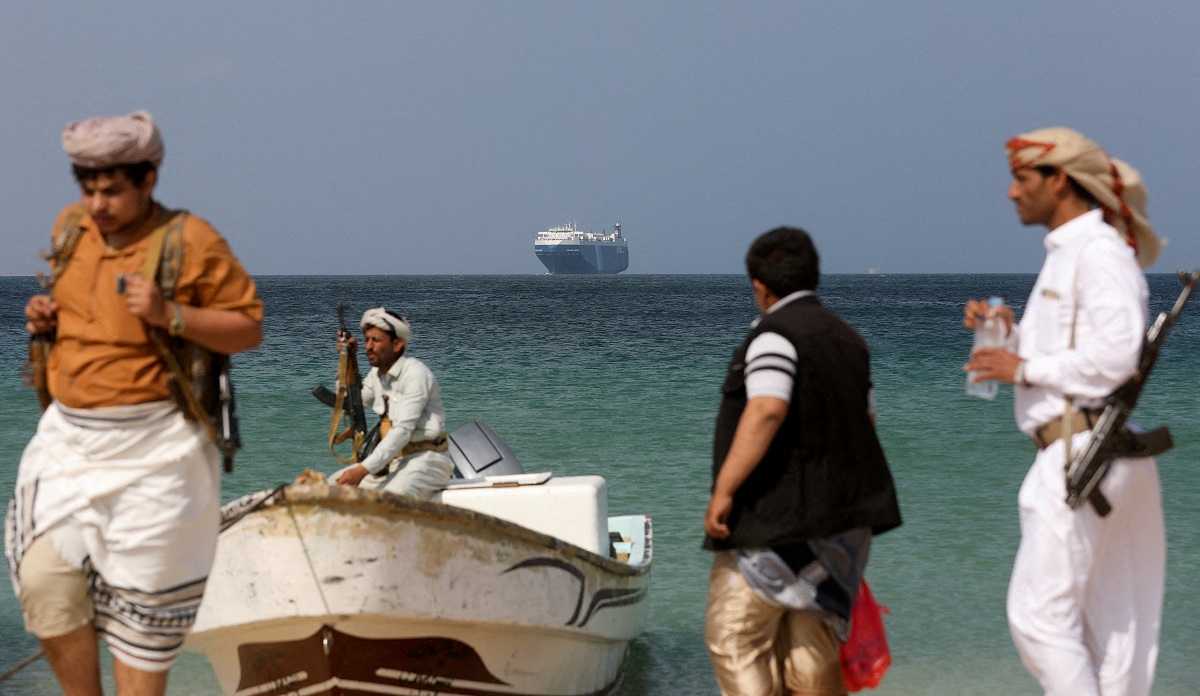
Tensions escalated after the Houthis announced a maritime blockade against Saudi Arabia. This threat risks disrupting the export of millions of barrels of Saudi oil through the Red Sea, which has long been a vital route to reduce dependence on the Strait of Hormuz.
Saudi Arabia stated that it would take necessary steps to protect ships in the region in accordance with international law. Meanwhile, Iran emphasized that it would not abandon diplomacy but refused to be forced to return to the negotiating table as long as it continues to face military attacks.
As a market impact, the US-Iran conflict and the Houthi threats could keep oil prices high, especially if disruptions in the Strait of Hormuz and the Red Sea continue. Rising oil prices risk fueling inflation, depressing stock market sentiment, strengthening the US dollar through safe-haven demand, and making gold more volatile as markets weigh the risk of war against expectations of high interest rates. (asd)
Source: Newsmaker.id