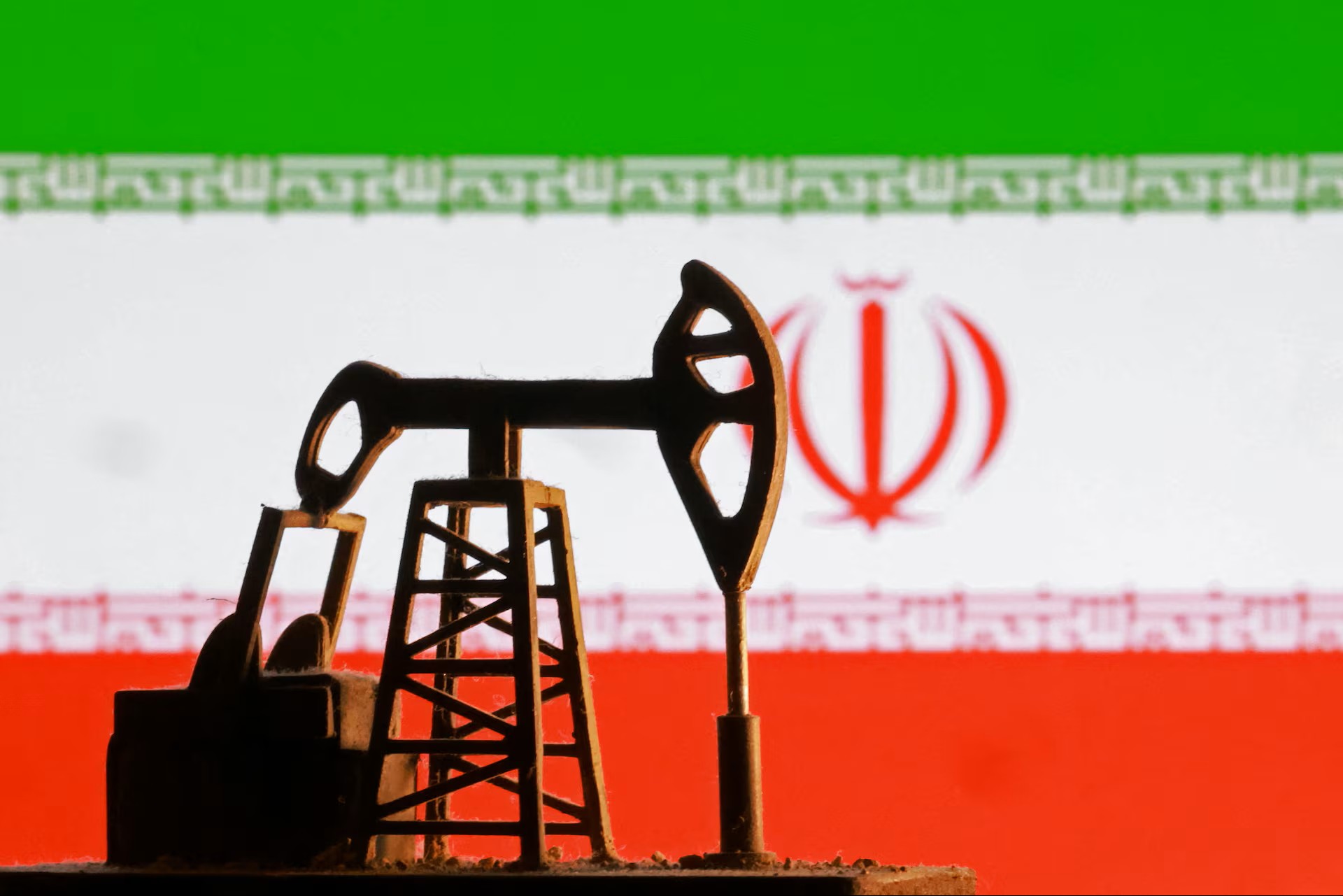
Gulf Conflict Heats Up, Oil Prices Hit New Highs
Oil prices rose around 2% in trading on Tuesday (July 21st), hitting a five-week high. This increase was fueled by concerns that energy supply disruptions in the Middle East could worsen due to new attacks between the United States and Iran.
Brent crude rose US$1.83, or 2.1%, to US$91.05 per barrel. Meanwhile, West Texas Intermediate (WTI) rose US$1.92, or 2.3%, to US$85.15 per barrel. Brent crude could potentially reach its highest close since June 10th, while WTI is heading toward its highest level since June 11th.
Tensions escalated after two oil tankers carrying Saudi crude bound for Asia turned back in the Red Sea. This action came after the Iran-backed Houthi group threatened to impose a naval blockade on Saudi Arabia.
At the same time, the US again attacked targets in southern and western Iran. Tehran retaliated by targeting US facilities in Bahrain, Kuwait, and Jordan. At least one tanker was also reportedly attacked in the Strait of Hormuz.
While some markets hope the latest US strikes could be a last-ditch effort to strengthen their negotiating position before a compromise is reached, the risk of a stalemate remains high. If the conflict drags on, energy flows could continue to be disrupted, potentially keeping oil prices at high levels.
As a result, rising oil prices could rekindle concerns about global inflation and make it more difficult for central banks to ease policy. Brent, already in overbought territory, is also vulnerable to a short-term correction, but geopolitical risks in Hormuz and the Red Sea remain key factors keeping prices strong.
Source: Newsmaker.id