Iran and Oman Close to Opening Strait of Hormuz
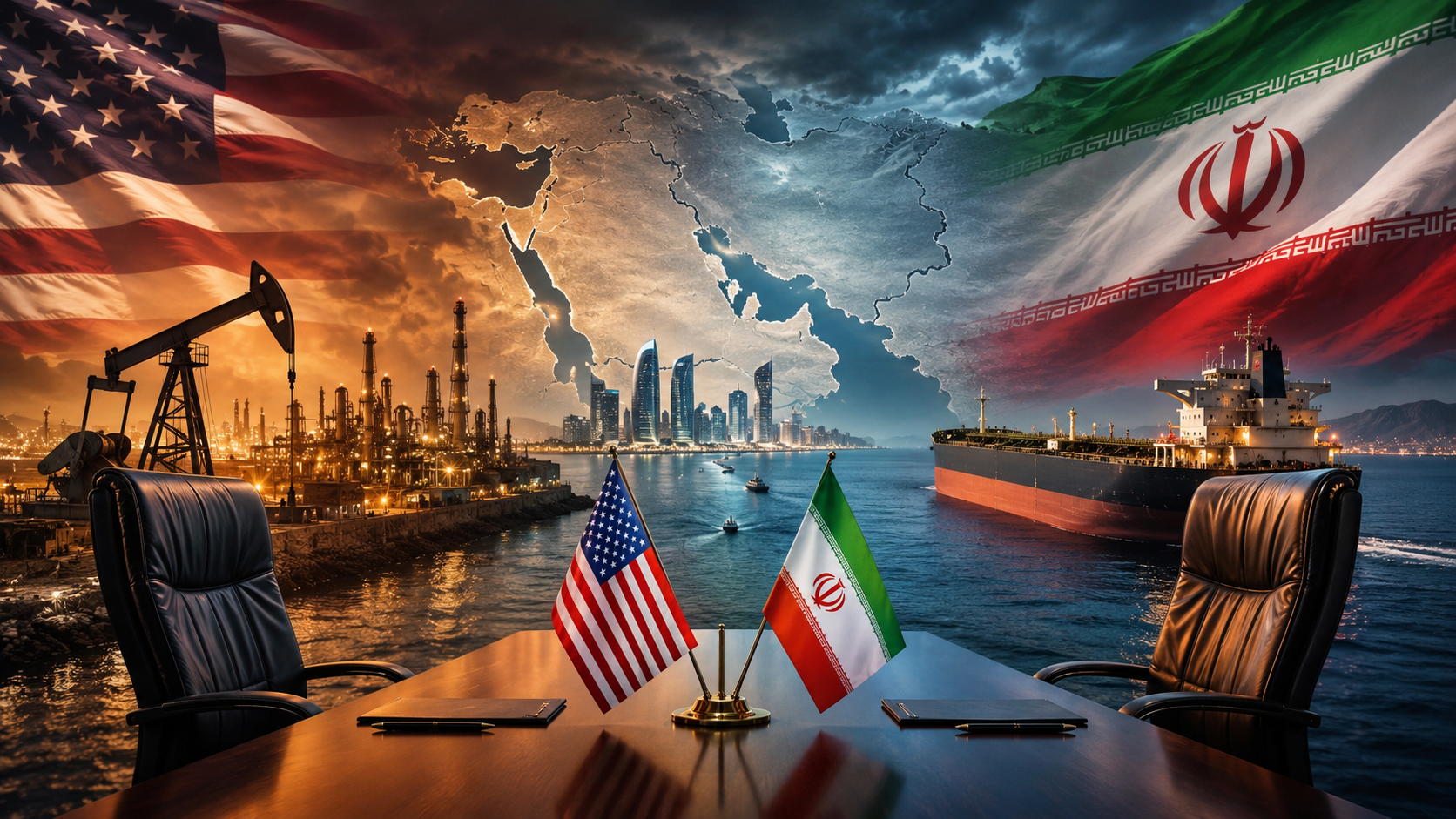
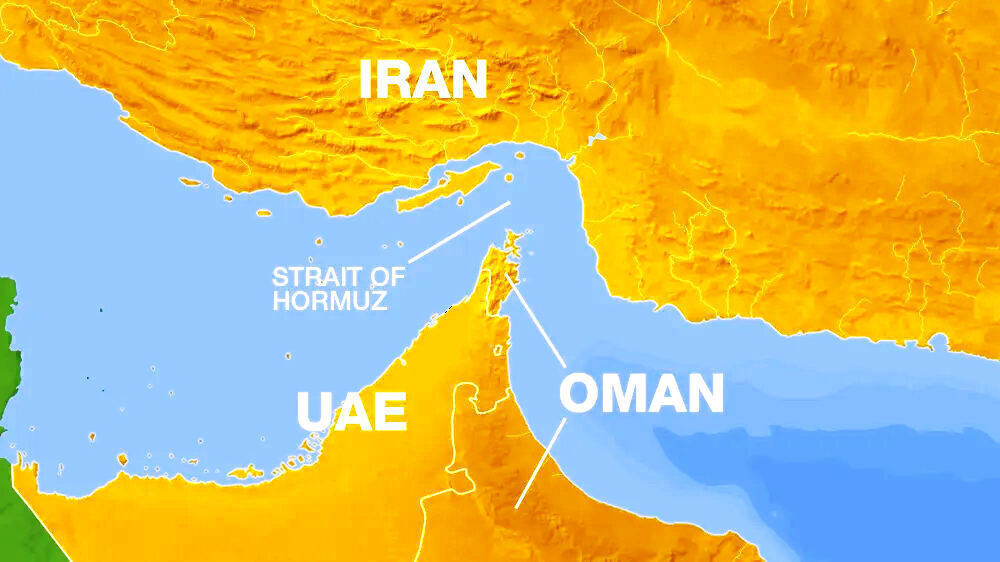
Iran has announced it has reached an understanding with Oman regarding coordinates for a new shipping lane in the Strait of Hormuz. Iranian Foreign Ministry spokesman Esmail Baghaei stated that a joint statement between the two nations is currently under review and in the final stages of drafting.
Tehran described the talks as constructive and progressing steadily. However, Iran warned that the agreement could only be finalized if no third party obstructed the process. The statement did not explicitly mention a direct role for Washington but reiterated blame on the US and Israel for disruptions to shipping in the Strait.
This understanding could potentially grant Iran greater control over vessels entering the Persian Gulf. Under the previously discussed draft, inbound ships would pass through a lane close to the Iranian coast, while outbound vessels would use Omani waters. However, issues regarding monitoring mechanisms, security, and transit fees remain unresolved.
US President Donald Trump has suggested that an agreement to open the Strait of Hormuz could be reached soon. Nevertheless, Iranian officials emphasized that the route agreement with Oman would not automatically result in the immediate opening of the Strait, as implementation still hinges on a shift in the US stance and guarantees regarding shipping security.
Brent crude prices hovered around US$79 per barrel after an earlier sharp decline, as the market factored in the possibility of oil flows through the Strait of Hormuz resuming. However, oil prices remain vulnerable to a rebound, given that talks have yet to yield a final agreement and other issues—such as Iran's nuclear program and port blockades—remain unresolved.
Newsmaker Analysis: A formal agreement and the resumption of shipping would act as a bearish signal for oil but a positive one for equities and risk-sensitive currencies, as inflationary pressure from energy costs would ease. Gold might lose some safe-haven appeal, although falling oil prices and bond yields could potentially temper any decline. Conversely, third-party interference or a failure to implement the agreement could drive oil prices back up and trigger sharp volatility in global markets. (arl)
Source: Newsmaker.id