Hormuz Becomes a Fracture in US-Iran Peace
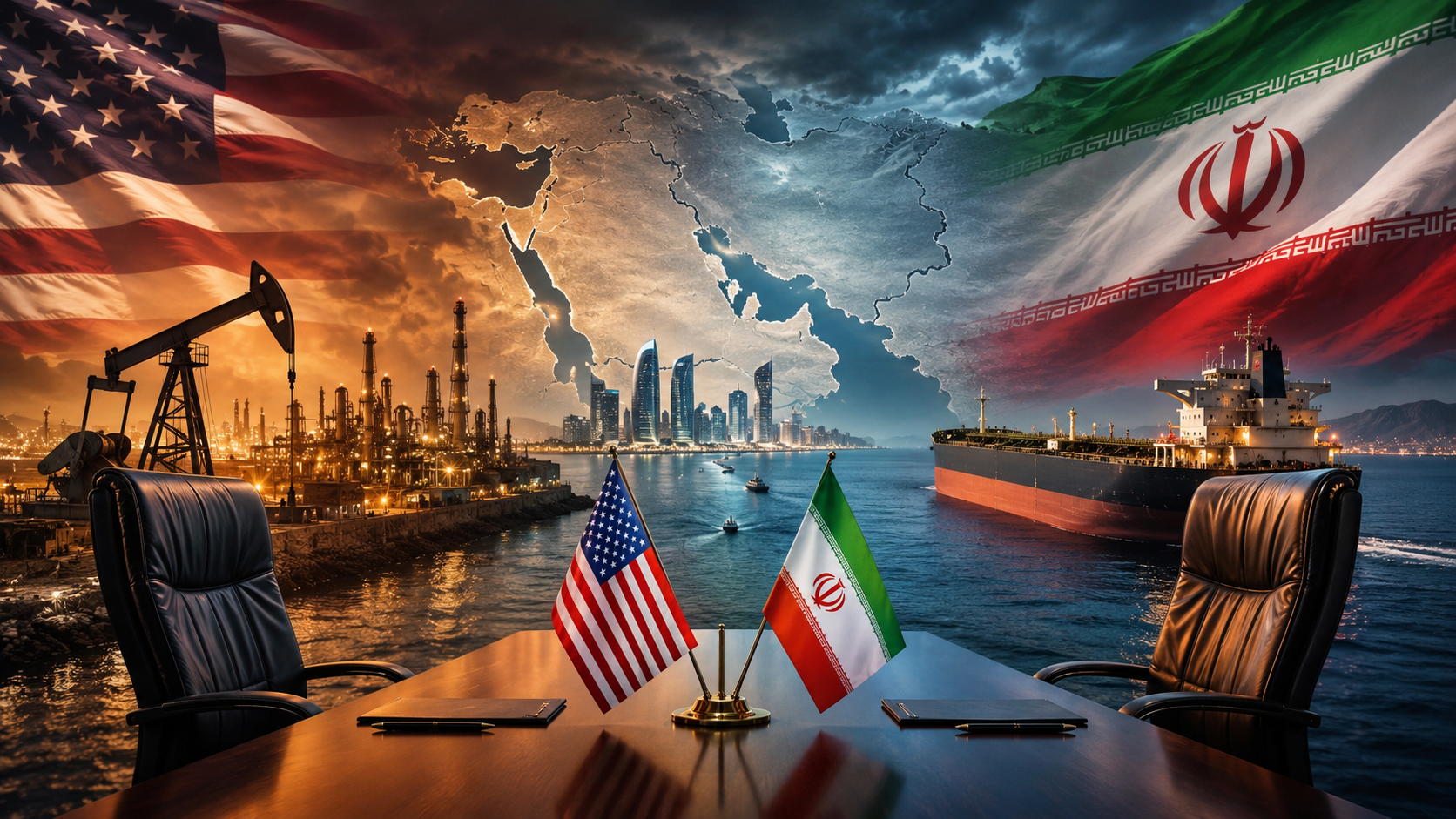
The temporary peace deal between the United States and Iran has virtually collapsed after the US reimposed a naval blockade on Iranian ports and launched a new wave of airstrikes. At the same time, Iran again attacked oil tankers passing through the Strait of Hormuz, escalating tensions in the world's key energy route.
Shipping traffic in the Strait of Hormuz has begun to decline sharply, while oil prices continue to soar. Brent is now trading above US$86 per barrel and has risen by about 20% since the renewed attacks. The Strait of Hormuz has been at the center of the conflict because before the outbreak of war, about a fifth of the world's oil and LNG supplies flowed through the narrow waterway.
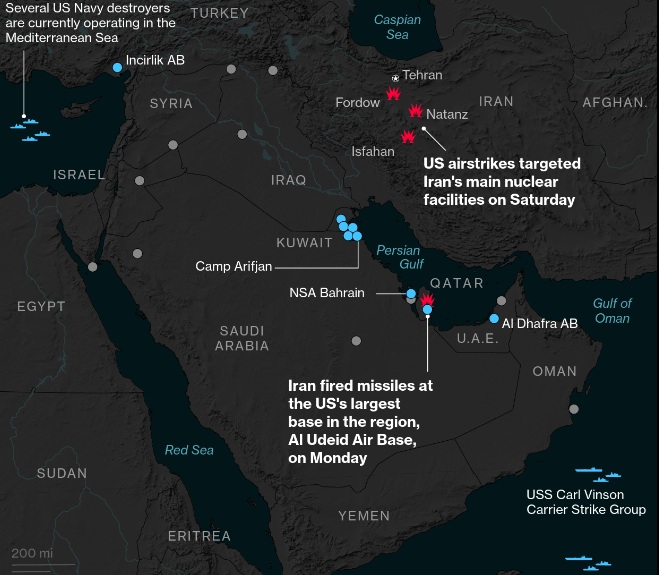
Tensions escalated after the US attacked several military sites in southern Iran for five hours on Monday night. Iran then retaliated by targeting US bases in Jordan and Bahrain, and attacking two United Arab Emirates tankers with cruise missiles. The attacks on the tankers killed one Indian crew member and injured about eight others.
Iran claimed the tankers ignored warnings and strayed from Tehran's approved navigational lanes. Meanwhile, the US believes Iran continues to disrupt freedom of navigation. Both sides are now accusing each other of violating a previously signed memorandum of understanding to reopen the Strait of Hormuz and de-escalate the conflict.
The situation became more complicated after President Donald Trump declared that the Strait of Hormuz would remain open, but the US would require a 20% reimbursement fee on all cargo passing through. This plan shocked the shipping industry, as the US had previously rejected any levies on the international waterway. If implemented, this fee could add approximately US$32 million to the cost of a giant tanker with a capacity of 2 million barrels.
As a result, the Hormuz conflict now poses a significant risk to oil, inflation, and global markets. If the blockade continues and Iran attacks commercial vessels more frequently, oil prices could remain high for longer. This could potentially intensify inflationary pressures, make central banks more hawkish, and put pressure on risky assets like stocks and crypto. However, if shipping flows return to normal, some of the war premium in oil prices could begin to subside. (arl)
Source: Newsmaker.id