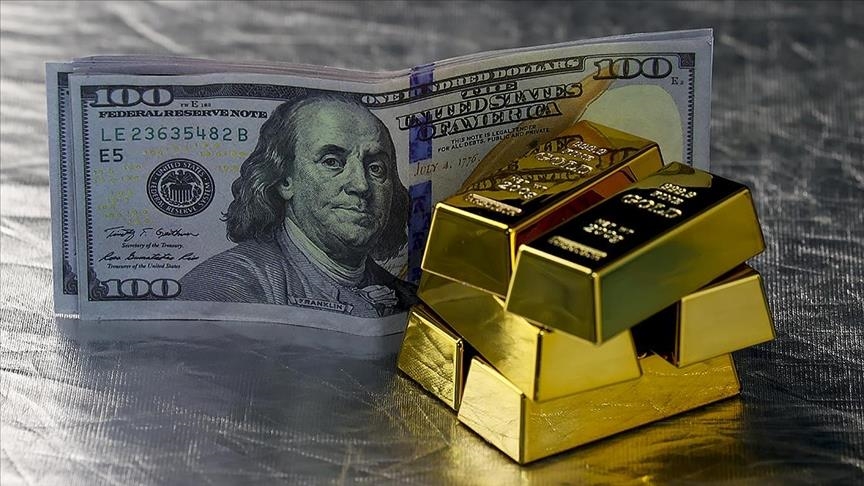
Gold Falls 3% Amid Heated Middle East Conflict
Gold prices plummeted on Monday (July 13th) after US President Donald Trump announced he would reinstate a naval blockade against Iran. The statement sent oil prices soaring, sparking renewed inflation concerns, and reinforcing expectations that US interest rates could remain high for longer.
Spot gold fell 3.1% to US$3,991.56 per troy ounce, breaching the psychological US$4,000 level. This decline put downward pressure on the market for the second consecutive session. Meanwhile, US gold futures fell 2.6% to close at US$4,005.70 per troy ounce.
The pressure on gold arose as the market viewed rising oil prices as a new threat to inflation. Trump said the US would reinstate a naval blockade against Iran and demand a 20% reimbursement on all cargo shipped through the Strait of Hormuz, after Tehran claimed to have closed the waterway. Oil prices immediately surged by around 5% in response to this news.
Rising oil prices risk pushing up energy and transportation costs across the economy. If inflationary pressures increase again, central banks like the Fed could potentially maintain high interest rates for longer or even raise them again. This situation is negative for gold, as the precious metal offers no yield.
According to the CME FedWatch Tool, market participants now see a 71% chance that the Fed will raise interest rates in September. This expectation is putting pressure on gold, especially if the US dollar and bond yields also strengthen.
Market participants are now awaiting Fed Chairman Kevin Warsh's first testimony before Congress on Tuesday. Furthermore, key US inflation data, such as the Consumer Price Index and Producer Price Index, will also be a key focus this week. If inflation data is hotter than expected, gold risks further weakness.
Technically, a breakout of the US$4,000 area is an important signal for the gold market. If selling pressure persists, analysts predict gold could potentially move towards the US$3,800 area first. However, if pressure intensifies, the next downside target could open up to around US$3,500 in the longer term.
Source: Newsmaker.id