US-Iran Tensions Heat Up in Strait of Hormuz, But Oman Route Remains Open
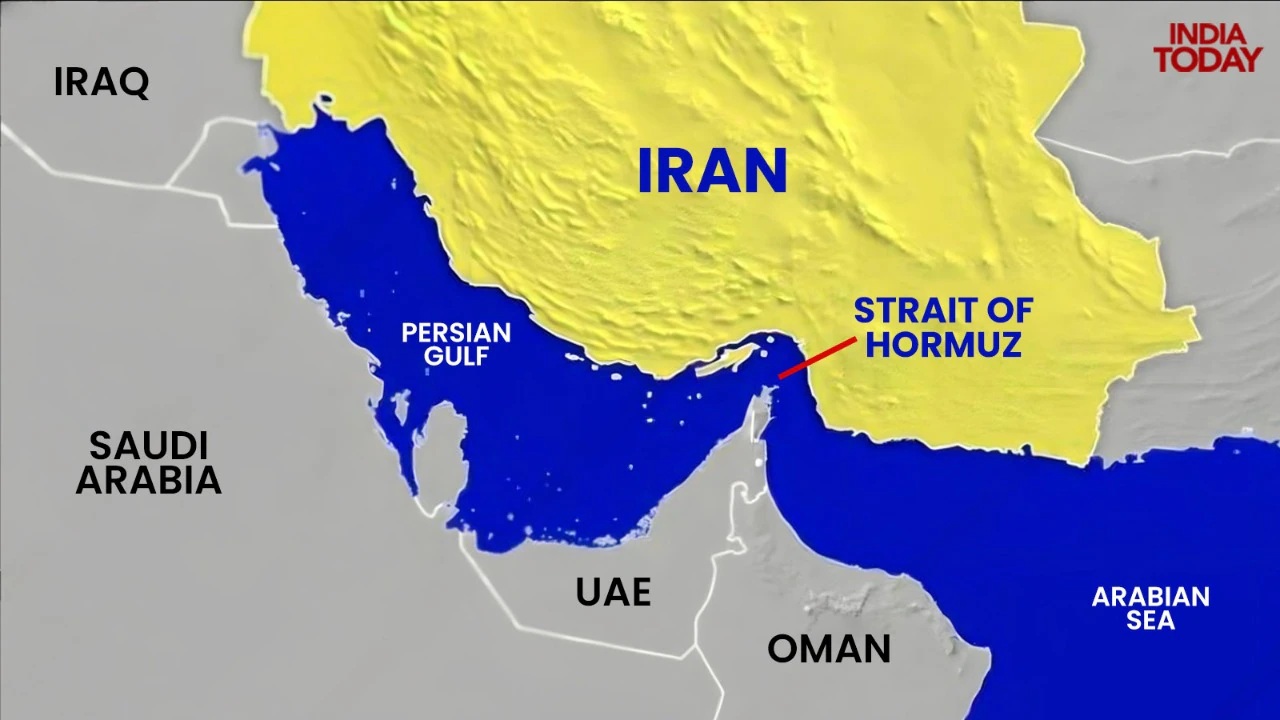
Tensions between the United States and Iran resurfaced on Tuesday (February 10, 2026 WIB), when Washington issued new guidelines for US-flagged commercial vessels transiting the Strait of Hormuz—the world's most strategic oil shipping route. The US urged its vessels to stay as far away from Iranian territorial waters as possible and to verbally refuse any boarding requests. However, the crews were also warned not to resist if boardings persisted to avoid escalation.
This move demonstrates the US's assessment that the risks in the Gulf remain serious, especially since the Strait of Hormuz is often a flashpoint when tensions rise. In recent years, Iran has repeatedly threatened to close the route and has seized ships in connection with alleged violations.
Meanwhile, Iran signaled a "compromise option" at the nuclear table: the head of Iran's nuclear agency stated that Tehran could dilute its highly enriched uranium—allegedly up to 60%—if all financial sanctions were lifted. However, Iran rejects the idea of sending uranium stockpiles abroad, which has long been a key US demand.
The two sides remain at odds. Reuters reports that the US wants broader discussions, including the ballistic missile program, Iran's support for armed groups in the region, and domestic/human rights issues—while Iran tends to focus on nuclear issues and sanctions relief.
The diplomatic track mediated by Oman remains active. Iran has called the initial round of talks a "good start," although the continuation of negotiations depends on further discussions in each capital.
Amid this tension, senior Iranian figure Ali Larijani is scheduled/confirmed to visit Oman. Media reports suggest the visit could potentially convey important messages regarding the nuclear and de-escalation negotiations.
For energy markets, the combination of "threats in Hormuz" and "unclear negotiations" typically creates a risk premium: prices can rise quickly when security headlines emerge, but also quickly correct when diplomatic signals emerge. That's why market players currently tend to react to even minor updates, whether it's ship movements, official statements, or news of the next negotiation schedule.
Source: Newsmaker.id