

UK Economy Shows Resilience; Growth Signs Emerge
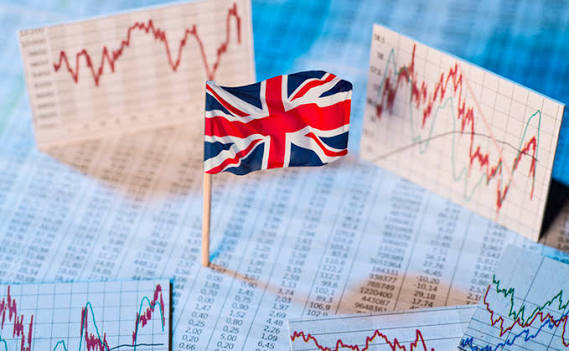
The UK private sector demonstrated a stronger recovery in August 2026, with business activity rising to a four-month high. The S&P Global Purchasing Managers’ Index (PMI) climbed to 52.5—up from 52.2 in July—surpassing economists' forecasts of 51.6. A reading above 50 indicates that economic activity remains in an expansion phase.
This performance highlights the UK economy's resilience amidst rising energy cost pressures and uncertainty regarding the new government's policies. The services sector was the primary driver of growth, with activity accelerating to its fastest pace in six months, fueled by increased household spending and technology investment.
S&P Global economists project that the UK's economic growth rate for the third quarter could reach approximately 0.3%, exceeding the earlier market forecast of 0.1%. This momentum offers positive news for Prime Minister Andy Burnham and Chancellor John Healey ahead of the government's first autumn budget.
However, not all sectors showed strength. Manufacturing activity weakened to a five-month low due to cost pressures and global uncertainty. Additionally, inflationary pressures resurfaced after oil prices climbed above US$90 per barrel, prompting companies to begin passing rising fuel costs on to consumers.
The labor market also remains a point of concern. Hiring levels have declined for 23 consecutive months, marking the longest period of employment weakness since records began in 1996. Nevertheless, the drop in workforce numbers was the smallest recorded since October of last year.
Newsmaker Analysis: UK PMI data has boosted sentiment for the pound, as it indicates the economy remains expansive despite inflationary pressures. However, rising energy costs stemming from the Middle East conflict could pose a challenge for the Bank of England (BoE). If inflation accelerates again, the scope for interest rate cuts will narrow, potentially supporting the GBP in the short term. (arl)
Source: Newsmaker.id








