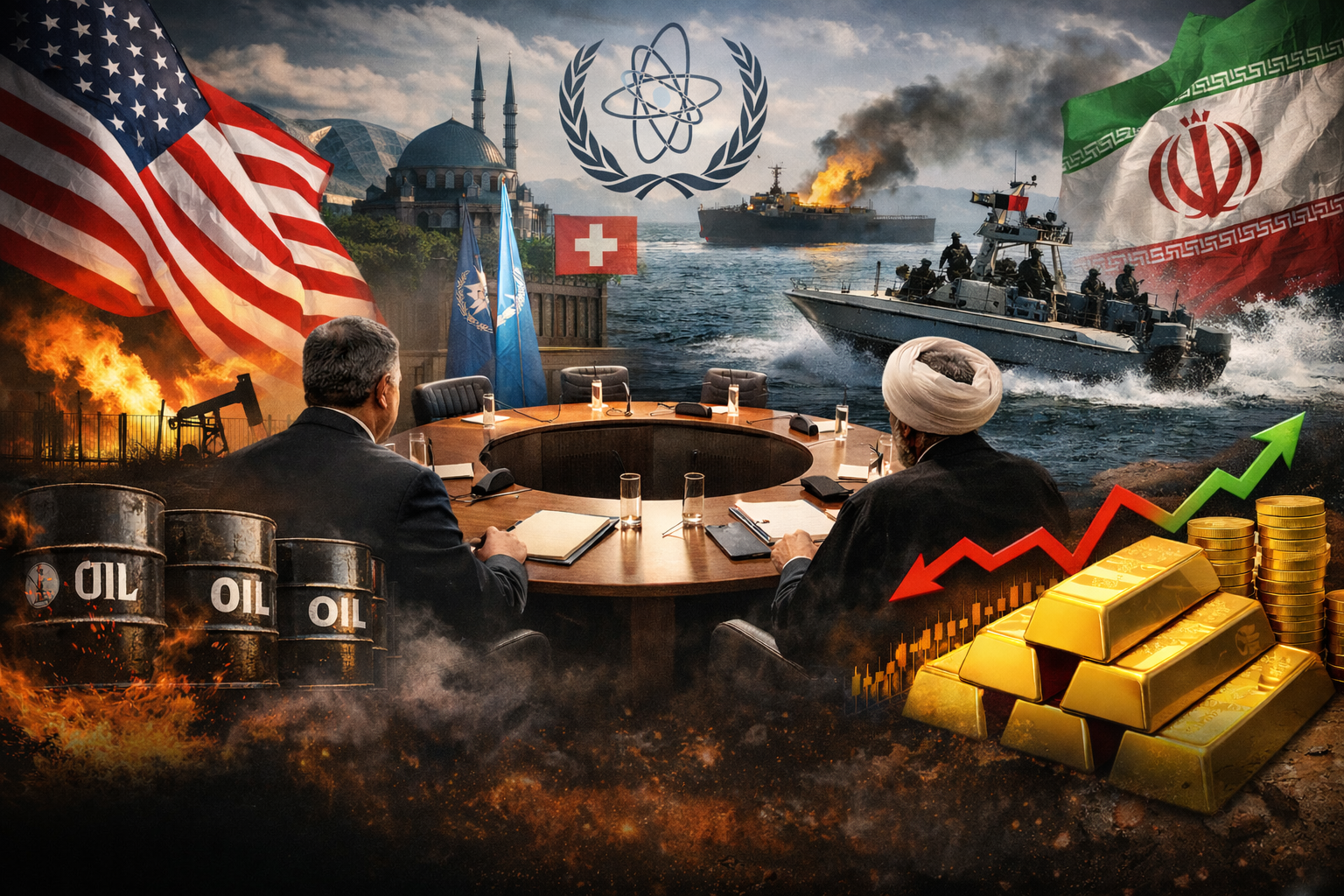
Oil Holds, Hormuz Risks Curb Declines Despite Strengthening Diplomacy
Oil prices moved mixed and remained stable after the previous day's sharp decline. Brent edged up around 0.4% to around US$95.19/barrel, while WTI fell around 0.3% to US$91.05/barrel in trading on Wednesday (April 15). This movement reflects the market's continued consideration of whether prices should maintain a geopolitical risk premium or begin reducing it if diplomacy actually moves forward.
President Donald Trump stated that talks between the US and Iran would resume within the next two days before a ceasefire, prompting some market participants to reduce defensive positions after the previous price surge. The venue for the meeting remains a matter of ongoing discussion (Pakistan has been mentioned as an option). The market believes that this move is a sign that hope is outpacing evidence of concrete progress on the ground.
However, the biggest restraining factor comes from the risk of the physical route, namely the Strait of Hormuz, which remains disrupted. Transactions through Hormuz remain limited amid uncertainty over Middle Eastern supplies, while other reports suggest the US will tighten maritime pressure on Iran. This has made the market reluctant to lower prices too much, as despite encouraging diplomatic headlines, physical flows have not yet returned to normal.
One report stated that diplomatic optimism remains, but actual progress has not yet aligned with market expectations. As shipping traffic in the Strait of Hormuz shrinks and alternative routes become more contested, logistics costs, vessel availability, and delivery schedules become tighter.
In conclusion, oil is trending sideways as two opposing forces work together. Diplomatic expectations are driving a correction from the peak, but Hormuz disruptions and the physical premium are keeping prices high. In the coming sessions, volatility is likely to remain headline-driven: the market will quickly respond to any developments in the negotiations or signs that shipping and shipping flows are actually improving or becoming more constrained. (asd)
Source: Newsmaker.id