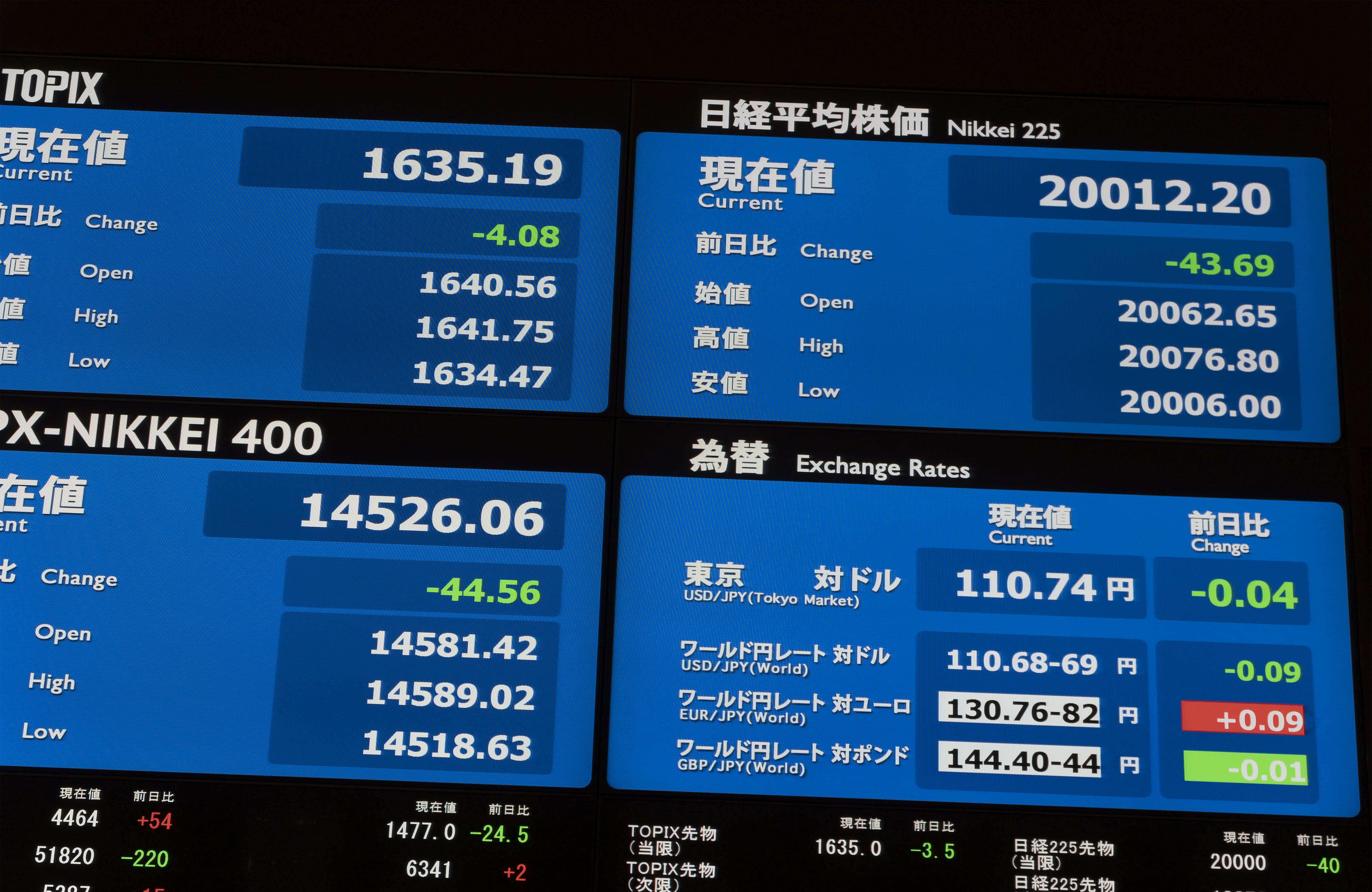
Wall Street Stocks Mixed, Dow Sets Record
The Nasdaq Composite Index closed lower on Thursday (June 25th), despite Micron Technology's performance report far exceeding market expectations. The pressure came as investors began to exit several major technology stocks, while the Dow Jones Industrial Average was boosted by gains in non-technology stocks and briefly set a new intraday record high.
The tech-dominated Nasdaq fell 0.46% to end at 25,358.60. This decline marked its first four-day losing streak since February. Meanwhile, the S&P 500 edged down 0.01% to 7,357.49. The Dow Jones Industrial Average rose 71.72 points, or 0.14%, to close at 51,920.62, supported by healthcare, financial, and industrial stocks.
Johnson & Johnson shares rose about 1%, while Caterpillar jumped 6%, contributing to the blue-chip index's gains. This movement indicates that the US stock market is divided, with investors shifting their attention from large technology stocks to other sectors considered more stable.
Apple was the main drag on the Nasdaq, with its shares falling 6%. The decline occurred after the company announced price increases for MacBooks and iPads, citing rising component costs like chips. Microsoft also fell 3.5% after announcing price increases for Xbox consoles.
Pressure was also seen on other large technology stocks, which are major buyers of semiconductors. Alphabet fell nearly 1%, while Meta Platforms fell more than 2%. The market is beginning to worry that rising chip prices could squeeze margins at large tech companies, especially if component costs continue to rise.
According to Jed Ellerbroek of Argent Capital Management, rising memory prices could have a broad impact on various electronic products that use semiconductors, from televisions to cars. He believes there will be significant spillover effects from inflation in the technology supply chain. However, consumers are currently considered strong enough to absorb these price increases.
On the economic front, the Personal Consumption Expenditures (PCE) price index rose 0.4% month-on-month in May, slightly below economists' expectations of 0.5%. Annually, the headline PCE rose 4.1%, in line with market expectations. Meanwhile, the core PCE, which excludes food and energy prices, rose 0.3% month-on-month and 3.4% year-on-year, also in line with expectations.
Although core inflation reached its highest level since October 2023, investors were relieved that the figure was not higher than expected. This data eased some market concerns after energy prices had previously risen due to the conflict in the Middle East. The 10-year US Treasury yield also fell slightly to around 4.394%.
Amid pressure on large technology stocks, Micron helped cushion the market's decline. The chipmaker's shares surged nearly 16% after reporting fiscal third-quarter results that beat analysts' expectations. Qualcomm also rose nearly 4% after raising its non-handset revenue guidance for fiscal 2029.
Other chip stocks, including SanDisk, Western Digital, KLA, and Applied Materials, also rallied following positive sentiment from Micron. However, the rally in the semiconductor sector wasn't enough to lift the Nasdaq overall, as pressure on Apple, Microsoft, Alphabet, and MetaTrader 5 remained a major drag on the technology index.
This situation suggests the market is weighing two major sentiments simultaneously. On the one hand, Micron's report reinforces optimism about chip demand and artificial intelligence. However, rising costs of technology components are raising new concerns about margins for large companies and inflationary pressures in the supply chain.
Source: Newsmaker.id