Yen Weakens, Threat of Intervention Resurfaces
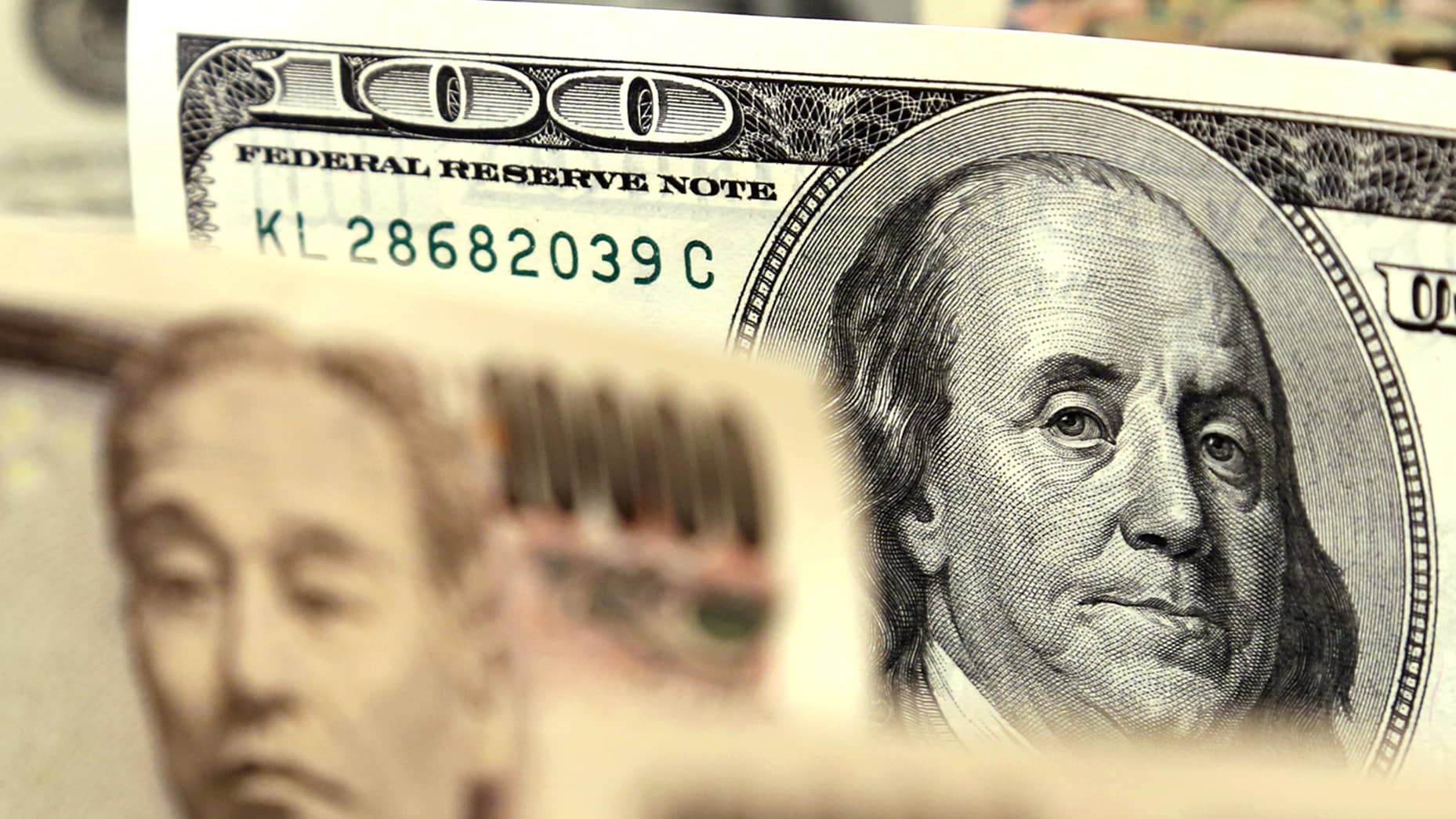
Newsmaker.id - The Japanese yen weakened again against the US dollar in trading on Friday, July 17, 2026. The USD/JPY pair hovered around 162.39, approaching its weakest level in nearly 40 years at 162.84, which it touched earlier this month.
Pressure on the yen increased after tensions between the United States and Iran escalated. The latest wave of US attacks boosted demand for the dollar as a safe haven asset and lifted oil prices, with Brent rising to around US$84.83 per barrel.
Rising oil prices negatively impacted the yen because Japan relies heavily on energy imports. Higher import costs increase the demand for dollars, worsen the trade balance, and potentially increase domestic inflationary pressures. Meanwhile, the widening interest rate differential between the United States and Japan continues to encourage carry trade activity, weighing on the yen.
The weakening yen prompted Japanese Finance Minister Satsuki Katayama to issue another verbal warning to the market. Market participants have begun to raise their guard against potential intervention after the Japanese government previously spent approximately 11.7 trillion yen buying yen and selling dollars between late April and early May.
Impact on the Market:
A weaker yen can benefit Japanese exporting companies because overseas revenues are higher when converted into yen. However, this condition increases the cost of importing energy and raw materials, which can depress consumer purchasing power and the profits of companies that rely on imports.
For the foreign exchange market, the threat of intervention could trigger sharp volatility in the USD/JPY. If the government actually intervenes, the yen could potentially strengthen suddenly. However, without a change in interest rate differentials or an easing of geopolitical tensions, the yen's strength is unlikely to be sustained. (CP)