

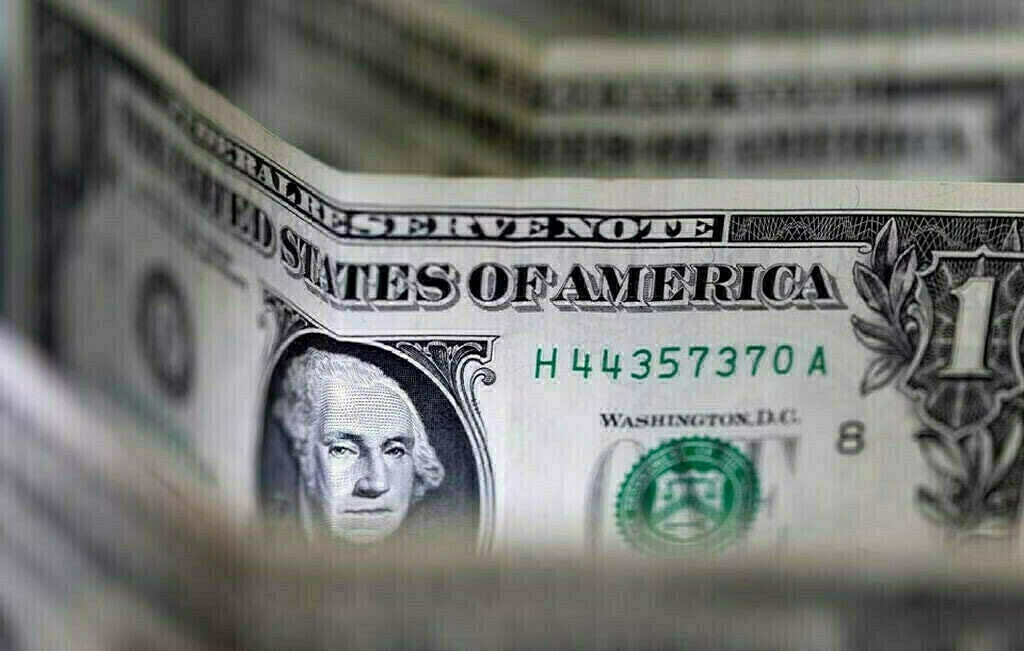
US Dollar Weakens, Markets Evaluate Inflation Data And Fed's Dovish Signals
The US Dollar Index (DXY) weakened in early trading on Monday (August 11th), retracing earlier gains and trading around the 98.00 level during the Asian session. This weakening reflects increased market caution ahead of the release of key economic data, particularly US consumer inflation on Tuesday, as well as preliminary UK second-quarter GDP data and the US Producer Price Index (PPI) on Thursday.
Pressure on the greenback increased following a series of weak US economic data. Higher initial jobless claims and a below-expected July Nonfarm Payrolls report reinforced speculation that the Federal Reserve will cut interest rates in September, with the possibility of another cut in December. According to the CME FedWatch tool, the probability of a rate cut at next month's meeting has now risen to 89%, up from 80% last week.
Support for the rate cut outlook also came from statements by Fed Chair Michelle Bowman, who stated that three rate cuts may be appropriate this year. He emphasized that the greatest risk currently comes from a weakening labor market, not from high inflation, signaling a shift in the Fed's monetary policy focus toward supporting economic growth.
St. Louis Fed President Alberto Musalem also struck a cautious tone in his speech last Friday. He stated that overall US economic activity remains stable, but warned of risks to achieving the Fed's dual targets—inflation and employment. Musalem emphasized the importance of economic data integrity, noting that the economy remains vulnerable to future labor market weakness.
With expectations of interest rate cuts growing and uncertainty surrounding economic data due this week, market participants are likely to remain cautious in positioning themselves against the US dollar. The outcome of US inflation data will be a key determinant of the DXY's future direction, given its influence on the Federal Reserve's stance in the coming months. (alg)
Source: Newsmaker.id








