U.S. to Send Thousands More Troops to Middle East as Trump Seeks to Squeeze Iran
The Pentagon is set to deploy thousands of additional troops to the Middle East in the coming days as U.S. President Donald Trump intensifies pressure on Iran to reach a deal that could end the weeks-long conflict, while keeping the option of further strikes or ground operations on the table if a fragile ceasefire breaks down, U.S. officials said.
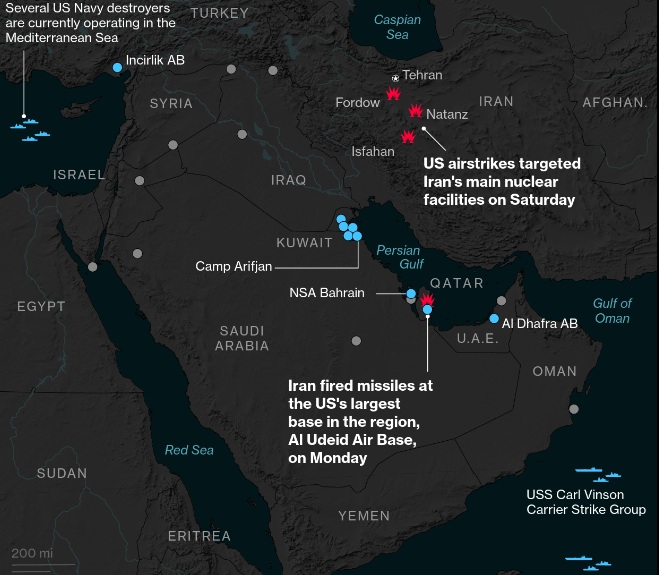
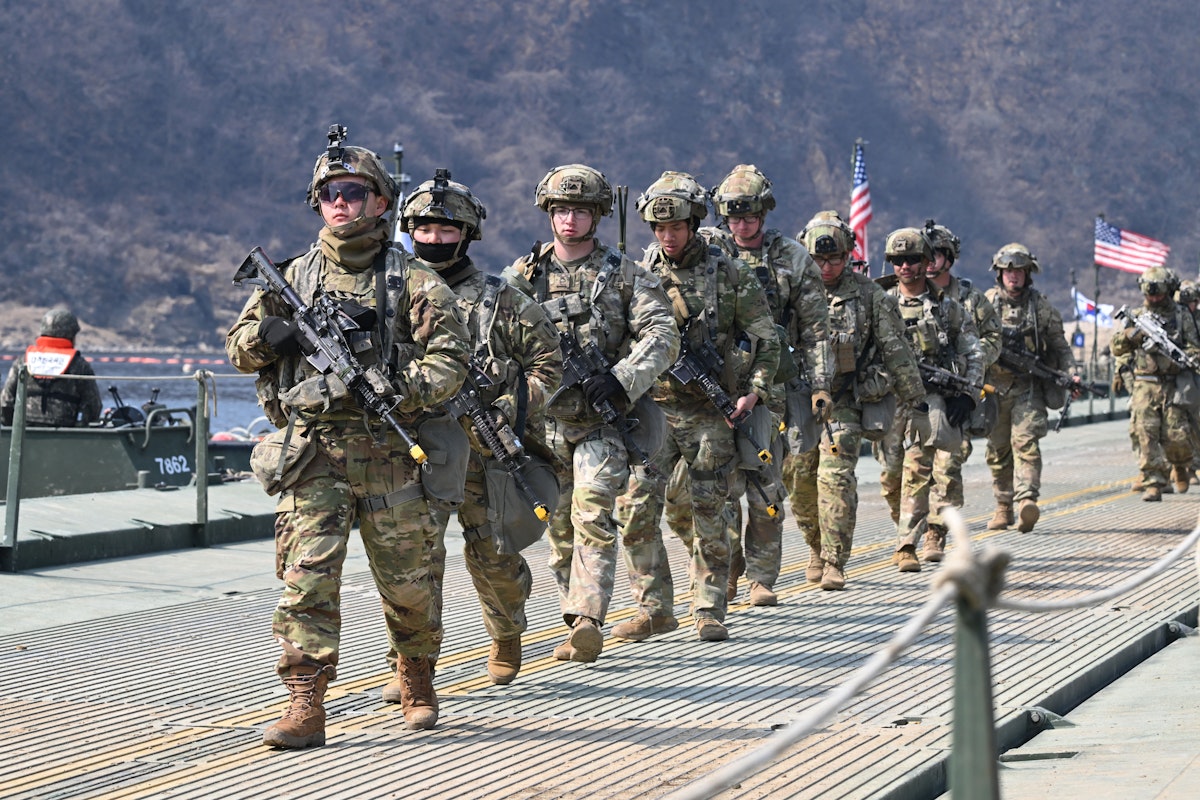
Forces moving into the region include about 6,000 personnel aboard the aircraft carrier USS George H.W. Bush and its escorting warships, according to current and former officials speaking on condition of anonymity. A further roughly 4,200 personnel with the Boxer Amphibious Ready Group and its embarked Marine Corps task force, the 11th Marine Expeditionary Unit, are expected to arrive near the end of the month. The additional deployments will join an estimated 50,000 U.S. troops the Pentagon has said are involved globally in operations to counter Iran.
The buildup comes as the two-week ceasefire is due to expire on April 22, and as the U.S. military enforces a naval blockade around the Strait of Hormuz. Retired Navy admiral James Foggo said the extra naval presence increases operational options for U.S. Central Command leadership should negotiations with Tehran fail, describing the added forces as “reserve capacity” if conditions deteriorate.
The White House said it is in Iran’s interest to meet Trump’s demands, which include ending its nuclear program and lifting what U.S. officials describe as Iran’s own restrictions on commercial shipping through the Strait of Hormuz, a key route for Middle Eastern oil flows. Pakistani mediators are pushing for a ceasefire extension to give Washington and Tehran more time to bridge differences, according to a Pakistani official, while the White House said talks are continuing and another meeting in Islamabad is possible in coming days.
Trump said in an interview aired Wednesday that the war could be over “very soon” and suggested gasoline prices could return to prewar levels by the midterm elections, contingent on the U.S. preventing Iran from obtaining a nuclear weapon. Markets largely welcomed the remarks: equities advanced even as energy costs remained elevated and growth concerns lingered, with the S&P 500 up around three-quarters of a percent by Wednesday afternoon, the Nasdaq up more than 1%, and the Dow slightly lower.
Tehran, meanwhile, escalated threats to disrupt international trade. A senior Iranian commander said Iran would block imports and exports from the Persian Gulf, Gulf of Oman and the Red Sea in response to the U.S. blockade.
Washington announced on Sunday a military blockade of maritime traffic arriving at and departing from Iranian ports, positioning more than a dozen Navy warships in the Gulf of Oman and the Arabian Sea to confront vessels as they exit the Strait of Hormuz. U.S. military officials said no ships made it through during the first 48 hours of the blockade and that nine vessels complied with orders to turn around.
The administration has also rolled out additional economic sanctions, warning countries whose financial institutions hold Iranian assets that they could face secondary sanctions if they do not immediately stop such activity. Treasury Secretary Scott Bessent said China buys up to 90% of Iran’s oil and said two Chinese banks received letters from the U.S. Treasury warning that secondary sanctions could be applied if Iranian funds are found moving through their accounts.
The expanded force posture would provide commanders with three aircraft carriers, each carrying dozens of fighter jets, alongside amphibious forces positioned for potential contingencies. U.S. officials also highlighted the operational risks of interdiction and vessel boarding, which could expose personnel to resistance from crews or retaliatory action by Iranian forces.
Source : Newsmaker.id