

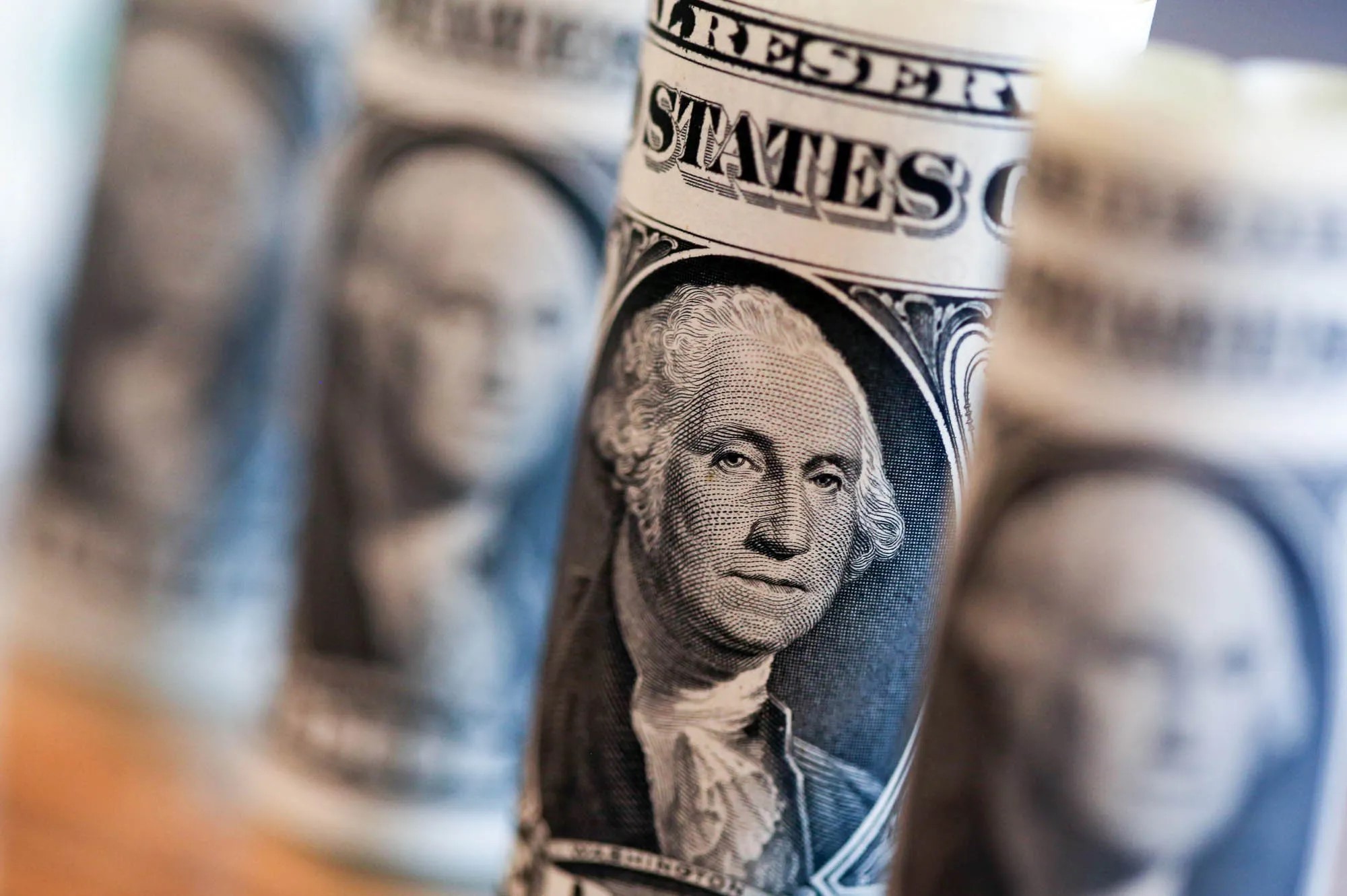
US Dollar Weakens Slightly, Hormuz in Focus
The US dollar weakened slightly in trading on Wednesday (July 22nd) after previously touching its highest level in more than a week. The US dollar index fell slightly to around 101.13, but its decline was limited as oil prices continued to rise amid escalating Middle East tensions.
Pressure on the dollar emerged after previous US inflation data showed a slowdown, both in terms of the CPI and PPI. US consumer sentiment data also improved, while inflation expectations for the next year declined, giving the Fed room to delay tightening policy.
However, the situation changed after the US-Iran conflict escalated. The two countries exchanged attacks for 11 consecutive days, causing a sharp decline in shipping traffic in the Strait of Hormuz. Threats by the Houthis in Yemen to the Bab el-Mandeb waterway also added to concerns about disruptions to global energy supplies.
Brent oil prices briefly reached US$95 per barrel for the first time since June 11th. US President Donald Trump also warned that any Iranian attack on ships in the Strait of Hormuz would be met with retaliation by destroying bridges or power plants in Iran, including those near Tehran.
In other currencies, the pound sterling held steady at around US$1.3373 after UK inflation slowed to 2.6% in June from 2.8% in May. The Japanese yen also recovered slightly after previously falling to its weakest level in 40 years, while the euro edged up to around US$1.1410 ahead of the ECB interest rate decision.
As a result, the US dollar has the potential to remain strong if oil prices continue to rise and spark renewed inflation concerns. This could lead the market to reassess expectations of more hawkish central bank policies. Meanwhile, the pound and euro are still awaiting the policy direction of the Bank of England and the ECB, while the yen remains vulnerable to intervention if it continues to weaken above the 160 per dollar area.
Source: Newsmaker.id








