

Dollar Strengthens, Markets Raise Bets on a More Hawkish Fed
The US dollar strengthened on Tuesday (May 19) as investors refocused on energy-driven inflation risks and a possible shift by the Fed to a more hawkish stance. Uncertainty over the direction of a peace deal in the Middle East also maintained defensive demand for the greenback.
The dollar index rose 0.32% to 99.30. The euro fell 0.38% to US$1.1611, while the pound weakened 0.26% to US$1.3398, reflecting the dollar's dominance amid geopolitical and bond volatility.
Trump said there was a "very good chance" of reaching a deal to limit Iran's nuclear program. However, reports from Iran suggested the terms of the latest proposal were little changed from the previous offer, which Trump dismissed as "garbage" last week, leaving markets skeptical that a quick breakthrough will occur.
The dollar was also supported by inflation and interest rate channels. The effective closure of the Strait of Hormuz previously prompted a surge in oil prices and boosted demand for the safe-haven dollar, particularly as the US is seen as more protected as an energy exporter than import-dependent economies like Japan and the eurozone. Oil prices fell on Tuesday following Trump's comments, but the energy inflation narrative still looms large.
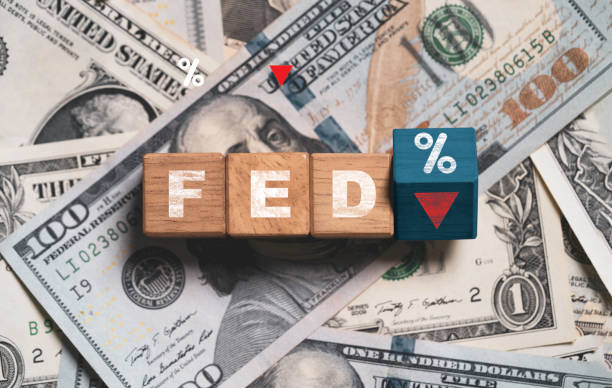
In the interest rate market, the dollar's strength was reinforced by higher yields and uncertainty about the response of new Fed Chairman Kevin Warsh if price pressures re-escalate. Fed funds traders now price in about a 50% chance of a December rate hike, although many analysts see a new hike as more likely if core inflation and inflation expectations also strengthen.
In Asia, the yen weakened 0.14% to 159.05 per dollar. Data showed Japan's economy grew 2.1% (annualized) in the first quarter, supporting expectations for a Bank of Japan interest rate hike in June, but markets are also awaiting details of a supplementary budget that could potentially put pressure on fiscal conditions. Japanese authorities have reiterated their readiness to respond to excessive volatility, with market attention remaining focused on the risk of further intervention. (arl)*
Source: Newsmaker.id








