

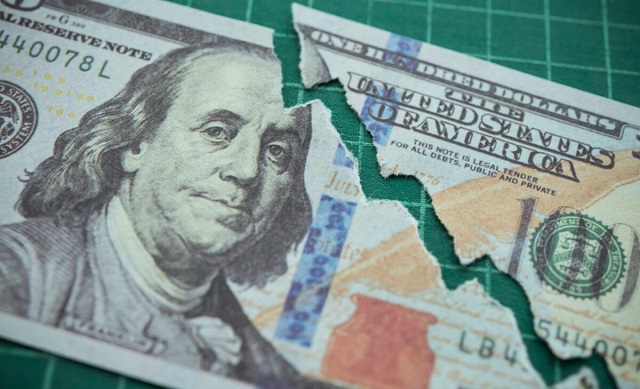
Dollar Weakens for Days, Is the Trend Reversal Permanent?
The dollar index weakened for a third straight day on Thursday, as markets grew increasingly confident the Federal Reserve would cut interest rates at its December meeting, ahead of the US Thanksgiving holiday. The Bloomberg Dollar Spot Index fell about 0.1% and remains on track for its third weekly decline in four weeks. The Fed's Beige Book report overnight showed US economic activity was "virtually unchanged," while consumer spending weakened, except among high-income buyers. The Beige Book also noted a slight decline in employment and only moderate price increases, bringing the probability of a December rate cut to nearly 80%.
On the riskier side, the New Zealand dollar and the Australian dollar were the main performers. NZD/USD rose 0.6% to around 0.5732 and broke through its 50-day moving average, continuing the rally that had developed after the RBNZ meeting. Positive sentiment was supported by a surge in New Zealand business confidence in November and the RBNZ's continued hawkish policy tone. Westpac analyst Kaitlyn Buhariwalla stated that the weakening US dollar is beginning to reflect a gradually weakening economic outlook and greater risks stemming from a fragile labor market and threats to the Fed's independence.
US bond yields also continue to pressure the dollar. The 2-year and 10-year yield spread remains unfavorable for the US dollar, so the medium-term bearish outlook for the greenback remains unchanged. Meanwhile, USD/JPY is stable around 156.09 after dropping as low as 155.73. The pair was pressured by selling during the Tokyo meeting and initial hawkish comments from Bank of Japan (BOJ) board member Asahi Noguchi, before he later balanced his tone by warning of the risks of raising interest rates too quickly relative to the central bank's inflation target.
The Australian dollar also benefited from the greenback's weakness, with AUD/USD briefly rising 0.3% to 0.6536, although gains were capped by larger buying flows into the kiwi. In Europe, the euro and pound also gained slightly; EUR/USD rose around 0.2% to 1.1613, while GBP/USD strengthened 0.1% to 1.3250. In the bond market, 10-year US Treasury futures rose slightly, signaling a downward trend in yields and further dampening the dollar's appeal. The combination of interest rate cut expectations, weak data, and improving global risk appetite has made riskier currencies a favorite among investors. (az)
Source: Newsmaker.id








