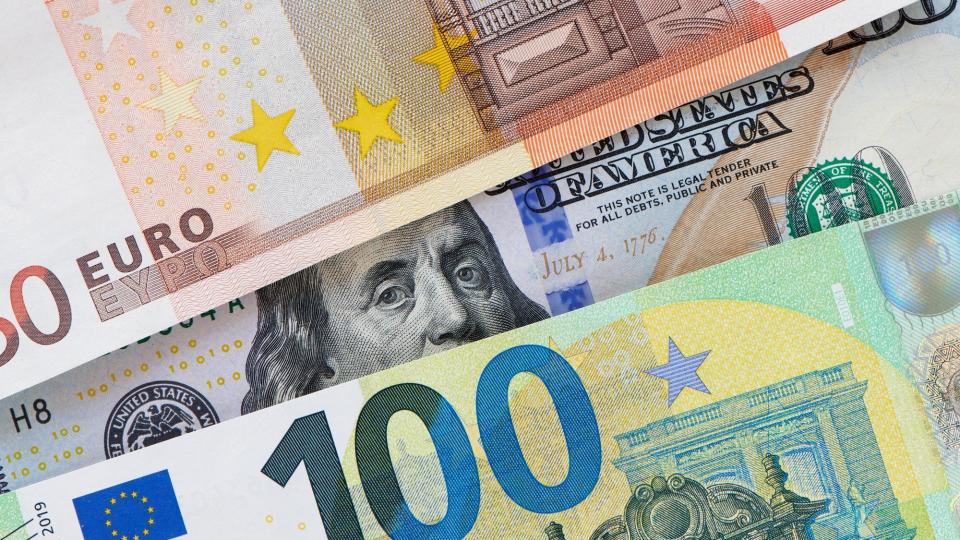
The Dollar Starts to Rise, Why Isn't the Euro Falling?
The EUR/USD is still consolidating after strong gains over the past two days. In Tuesday's Asian session, its movement was narrow, holding around 1.1900, slightly below the more than one-week high reached the day before.
This movement was restrained because the US dollar briefly bounced from a six-day low. However, the USD's rise also appears unlikely to continue, as markets are increasingly confident that the Fed will cut interest rates two more times this year. Furthermore, the risk-on market mood has made the dollar, a safe-haven asset, less attractive.
In terms of sentiment, other factors are weighing on the USD: Bloomberg reported that Chinese regulators advised financial institutions to limit their holdings of US government bonds due to concerns about volatility and concentration risks. Meanwhile, the ECB is seen as more hawkish, as the European Central Bank has held back since June after a series of interest rate cuts, and relatively strong European growth data reduces the urgency for additional stimulus. This combination makes the EUR/USD still considered more likely to move upwards, and downward corrections can be seen as buying opportunities.
The market is now awaiting US Retail Sales data and comments from Fed officials, which could move the USD in the short term. However, the main focus remains on the delayed US Nonfarm Payrolls (NFP) release on Wednesday, followed by US consumer inflation data on Friday. These two data points will significantly determine Fed interest rate expectations—and are usually the biggest drivers of the EUR/USD's next direction. (az)
Source: Newsmaker.id