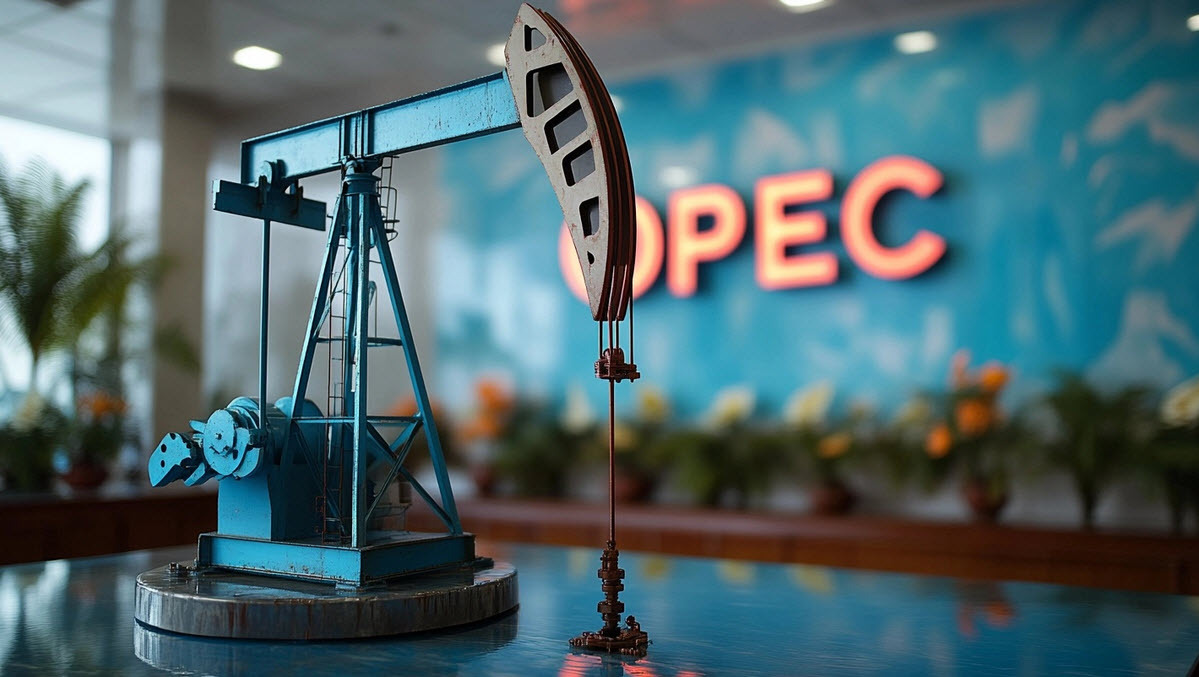
Oil steadies after report of planned OPEC+ August output hike
Oil prices edged up slightly on Friday, recovering from a midday drop into negative territory following a report that OPEC+ was planning to hike production in August, but tumbled about 12% in the week in their biggest drop since March 2023.
Brent crude futures settled at $67.77 a barrel, up 4 cents, or 0.1%. U.S. West Texas Intermediate crude finished up 28 cents, or 0.4%, at $65.52 a barrel.
Four delegates from OPEC+, which includes allies of the Organization of the Petroleum Exporting Countries, said the group was set to boost production by 411,000 barrels per day in August, following a similar-size output increase already planned for July.
Crude prices were already headed for a 12% decline for the week following the cease-fire between Israel and Iran.
During the 12-day war that started after Israel targeted Iran's nuclear facilities on June 13, Brent prices rose briefly to above $80 a barrel before slumping to $67 a barrel after U.S. President Donald Trump announced an Iran-Israel ceasefire.
U.S. government data on Wednesday showed crude oil and fuel inventories fell last week, with refining activity and demand rising.
Meanwhile, data on Thursday showed that independently held gasoil stocks at the Amsterdam-Rotterdam-Antwerp (ARA) refining and storage hub fell to their lowest in over a year, while Singapore's middle distillates inventories declined as net exports climbed week on week.
China is the world's top oil importer and biggest buyer of Iranian crude. It bought more than 1.8 million barrels per day of Iranian crude from June 1-20, according to ship-tracker Vortexa, a record high based on the firm's data.
The U.S. oil and natural gas rig count, an early indicator of future output, fell for a fourth straight month to its lowest since October 2021, Baker Hughes said. The number of oil rigs fell by six to 432 this week, also the lowest level since October 2021.
Source : Reuters