Fed Holds Rates, Splits Widen Amid Energy Shock
The Federal Reserve maintained its benchmark interest rate range of 3.5%–3.75%, but the minutes of its latest meeting highlighted deepening divisions within the FOMC as uncertainty over the Middle East conflict grows. The decision was passed by a vote of 8–4, the first time since October 1992 that four dissenters had dissented at a single meeting, confirming that the policy debate is now moving in “two directions” amid energy inflation pressures and slowdown risks.
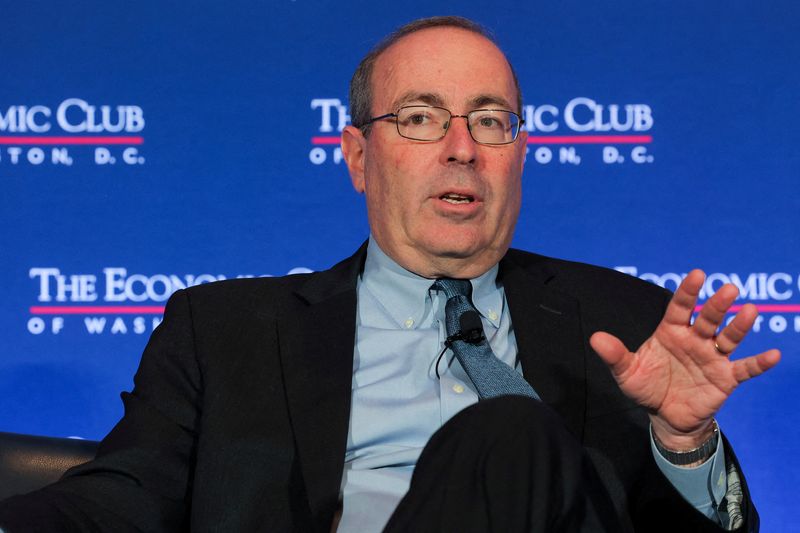
Three regional bank presidents—Cleveland Fed Beth Hammack, Minneapolis Fed Neel Kashkari, and Dallas Fed Lorie Logan—supported holding rates but rejected language in the statement that implied an easing bias. Meanwhile, Governor Stephen Miran dissented, favoring a 25 basis point cut, suggesting a camp more focused on supporting growth is emerging despite persistently subdued inflation.
The Fed also adjusted its risk narrative, stating that developments in the Middle East “contribute to a high degree of uncertainty” to the economic outlook, instead of simply stating that the implications of the conflict were uncertain. The feared market transmission is clear: a surge in energy prices could potentially fuel disinflation, pushing up input costs, and then spilling over to non-energy prices if the conflict drags on. Conversely, the price burden on consumers could depress demand and expose the risk of weakening activity.
This meeting is also seen as potentially Jerome Powell's last as chairman, after the Justice Department dropped a criminal investigation into the Fed that had previously hampered Kevin Warsh's nomination process. Warsh is now on a smoother path to a confirmation vote, while the market awaits whether Powell will remain as chairman until 2028 or choose to step down after his term ends on May 15.
For the market, the combination of inflation that has been above the 2% target for five years, resurgent oil prices, and a labor market that appears stable but vulnerable with net hiring near zero, increases the risk of a "stagflation-lite" scenario that would complicate the central bank's operations. The variables to monitor next are Powell's tone at the press conference, changes in policy guidance language in subsequent statements, energy price dynamics and pass-through to core inflation, and developments in Warsh's confirmation process. (Arl)*
Source: Newsmaker.id