Oil Steady After New Iran Sanctions, Trump Tariff Talks
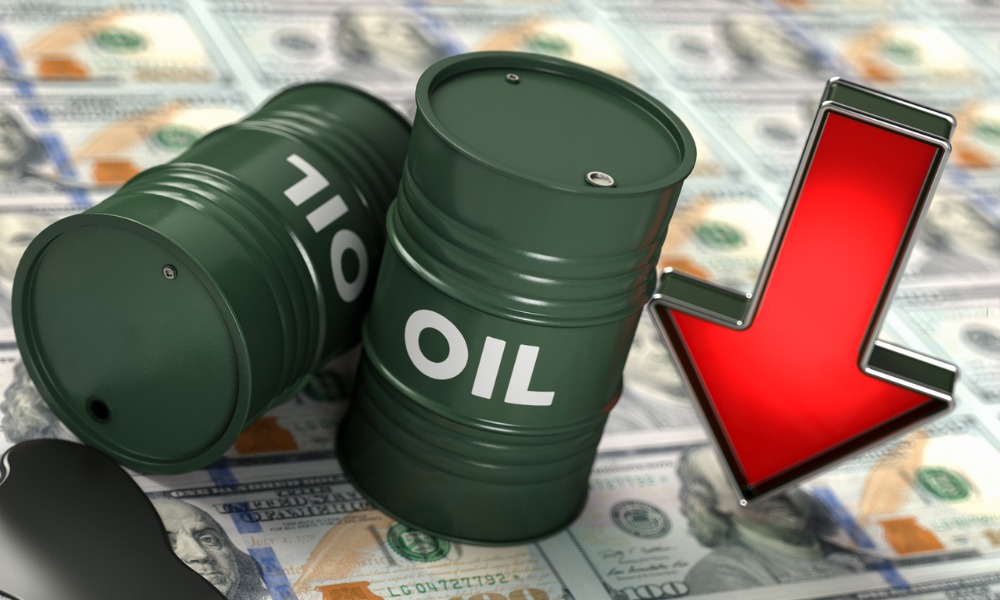
Oil held steady near $75 a barrel after the U.S. imposed new sanctions on Iran, and President Donald Trump signaled that tariffs on Canada and Mexico would remain in place.
Brent edged up as much as 0.6%, before paring gains, following a small gain on Monday. The U.S. imposed more restrictions on brokers, ships and individuals it says are linked to illegal shipments of Iranian crude.
At the same time, levies set to hit two U.S. neighbors are “on time” to go into effect next month, Trump told a news conference. Canada and Mexico are America’s top foreign crude suppliers and major trading partners.
Crude had a rocky start to the year, first rising on cold weather and an earlier round of U.S. sanctions, then retracing gains after Trump took office and began a tariff plan that could hurt global growth and demand. But levies on North American neighbors could also affect supply. Canada, in particular, ships about 4 million barrels of crude a day to the U.S., and many American refineries were built to handle that heavy crude, rather than the light oil from shale fields.
Meanwhile, the action against OPEC member Iran targets a network linked to the shipment of tens of millions of barrels of crude, with sanctioned entities located in Iran, the United Arab Emirates, Hong Kong, India and China, the U.S. State and Treasury departments said. “While the market remains well-supplied, the renewed focus on Iran sanctions provides some support today,” said Jens Naervig Pedersen, a strategist at Danske Bank. Oil prices have been trading broadly higher on trade concerns and weaker U.S. economic data, he said.
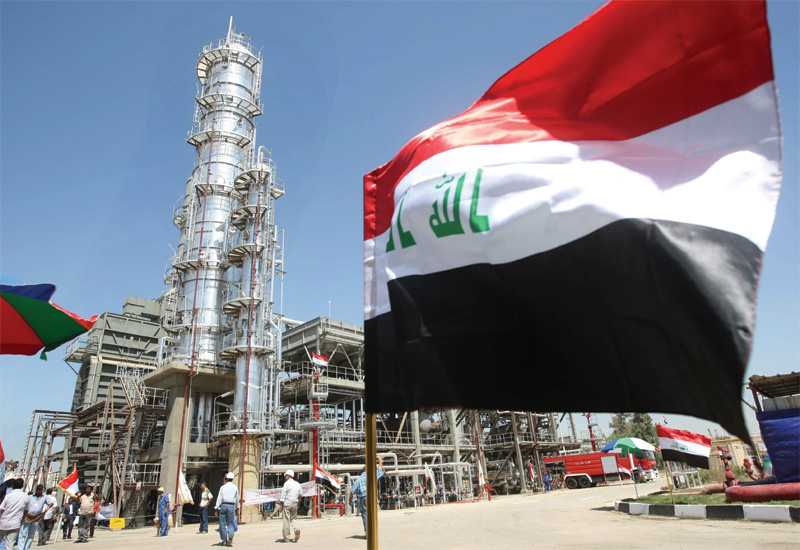
The latest sanctions on Iranian oil could prompt operators to respond by increasing ship-to-ship transfers, or turning off geolocation signals longer in a fast-adapting illicit trade, market participants said. Beyond Iran, traders are grappling with a range of other supply issues. While OPEC and its allies are widely expected to delay increasing output once again, Iraq is trying to restart pipeline flows from Kurdistan, and negotiations to end the war in Ukraine could affect Russian crude shipments.
In talking about reviving the so-called maximum pressure campaign against Iran, the Trump administration has more broadly indicated that it prefers cheaper crude. That includes steps to boost domestic production, as well as asking OPEC+ to cut prices. So many conflicting signals have kept crude prices in a narrow range this month.
In London, the International Energy Week conference kicks off later Tuesday, with speakers including Fatih Birol of the International Energy Agency and executives from major energy companies providing more insight into the outlook. Brent for April settlement was little changed at $74.87 a barrel at 9 a.m. in London. WTI for April delivery was trading at $70.88 a barrel.
Source: Bloomberg