Oil Erases 2025 Gain as US and China Lock Horns in Trade Dispute
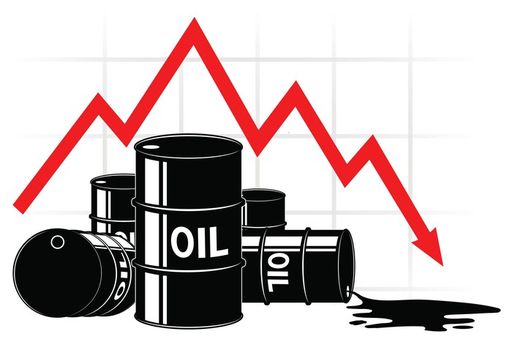
Oil wiped out all of its gains so far this year as a US-China trade war kicked off, endangering global growth and energy demand.
West Texas Intermediate retreated below $72 a barrel after China’s retaliatory measures were announced, sending futures roughly back to where they were at the end of 2024 after a strong start to the year.
China will place levies on a range of US goods, including crude oil and liquefied natural gas, in response to Washington’s “unilateral imposition of tariffs,” the country’s finance ministry said.
The US shipped about 250,000 barrels a day of crude to China on average last year, a relatively small volume. But an escalation of trade disputes between the world’s two largest economies could have a broader impact and hurt global consumption.
Beijing swung back almost immediately after US tariffs came into force. The country hit US coal and LNG exports with a 15% levy, and targeted its oil and agricultural equipment with a 10% fee. It also announced export controls on tungsten, a metal used in the defense industry. Equity futures ticked lower on concerns about the trade war.
The trade confrontation with China stands in contrast to Trump’s earlier approach with the US’s two neighbors, having pushed back planned levies on Canada and Mexico by a month after the nations agreed to take tougher measures to combat migration and drug trafficking. The flare-up came as China’s markets were shut for the Lunar New Year holidays.
“The selloff continues this morning,” said Tamas Varga an analyst at brokerage PVM. “There is the question of how long the possibility of tariffs will linger. In their current form, however coercive, they are flexible. They can be withdrawn and re-implemented swiftly as demonstrated yesterday.”
Futures have faced a bumpy few weeks, first rising on a cold winter and US sanctions on Russian energy flows, before paring those gains after Trump took office and threatened blanket tariffs that could hamper global growth. Demand concerns remain pertinent, with top crude importer China’s manufacturing activity unexpectedly declining for a second month in January.
WTI for March delivery fell 1.7% to $71.90 a barrel at 09:57 a.m. in London. Prices fell as low as $71.54, below the $71.72 where they ended last year. Brent for April settlement declined 1.0% to $75.17 a barrel.
Source : Bloomberg